Store Hours:
Monday – Saturday: 7 am – 5 pm
Sunday: 8 am – 4 pm
Recycle Hours:
Daily: 8 am – 3:45 pm
Sun. 9/13: CLOSED

Store Hours:
Monday – Saturday: 7 am – 5 pm
Sunday: 8 am – 4 pm
Recycle Hours:
Daily: 8 am – 3:45 pm
Sun. 9/13: CLOSED
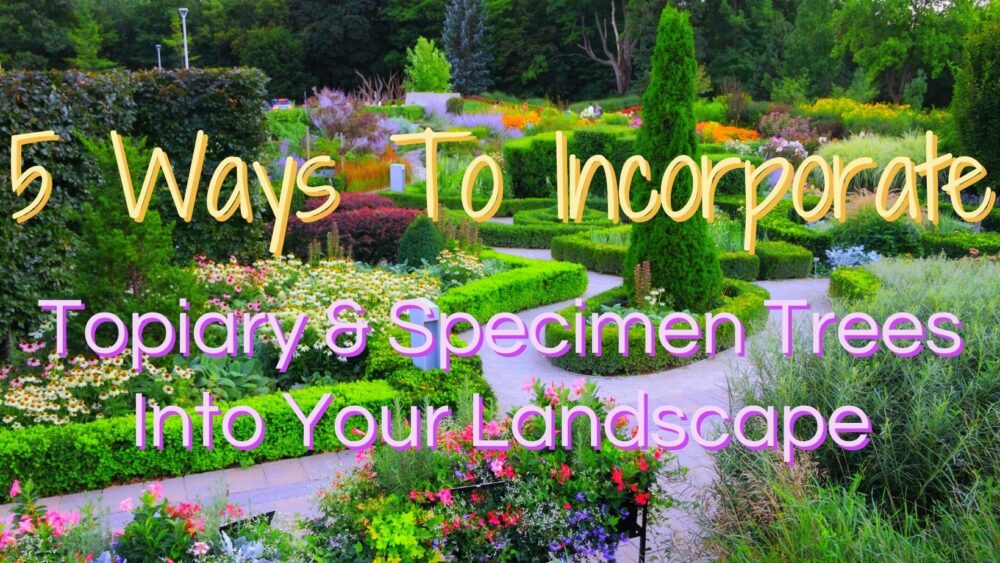
Set your landscape apart from neighbors by enhancing curb appeal with eye-catching topiaries and specimen trees! There are so many unique tree options and so many fun ways to incorporate them into your landscape. We have your guide for deciding which trees are best for your landscape and how you can incorporate them!
Memorial Day marks the time to honor and reflect on the memories of fallen loved ones. Gardens are an ideal place to create a beautiful space of solitude and peace for remembering them. Here are a few ideas for how to create a memorial garden in a small space:
Did you know that you can help save the bay from your own garden? If you live here in the Chesapeake watershed, water runs from your home all the way to the third-largest estuary in the world. Learn how you can make a difference and help save the bay!
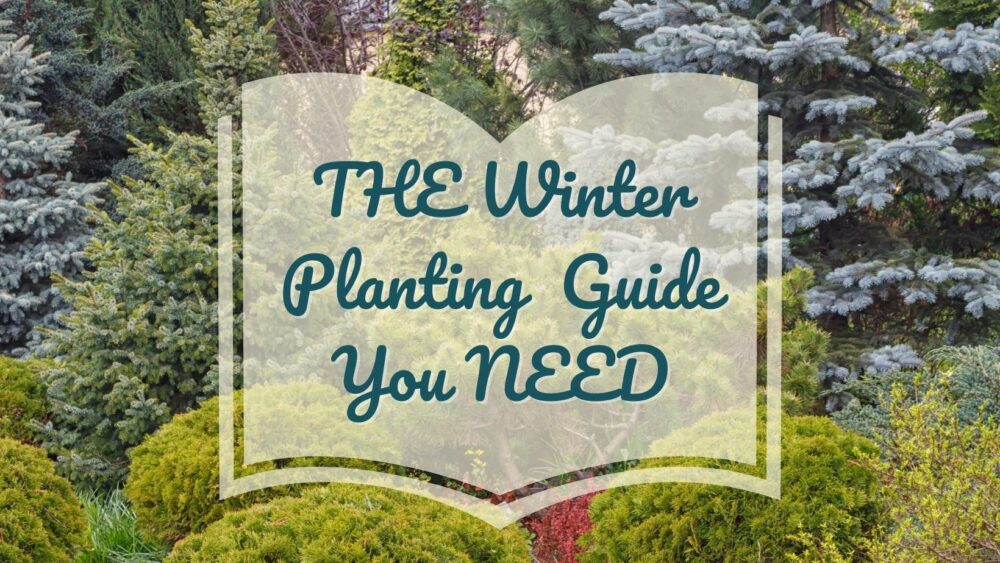
The warm weather may be gone, but that does not mean that the gardening season is over. You can continue to plant in this hardiness zone until the ground is frozen solid. Frost and cold temperatures do not mean the ground is frozen. Check soil temperatures in your area, as long as soil temperatures are above 32 degrees Fahrenheit, you are good to grow!
Nothing makes a landscape look better than a nice fresh coat of mulch. That may be why most people mulch, but there are many reasons to mulch, and most involve plant health. As a rule, many people mulch in the spring, and cosmetically that is fine, but if your plants could speak, they would say, “Please mulch me in the winter.”
Summer may be coming to an end, but the blooming season is not over for annuals! Late summer/early fall is the perfect time to garden for fall colors. Refresh your garden for fall with show-stopping annuals to create the perfect autumn cozy space!
Trying to pick out the best annuals for fall may sound stressful, but we have a few tips to get your fall garden started. It is important to first plan out which annuals you are looking to plant before your fall hang-out spot can be completed.
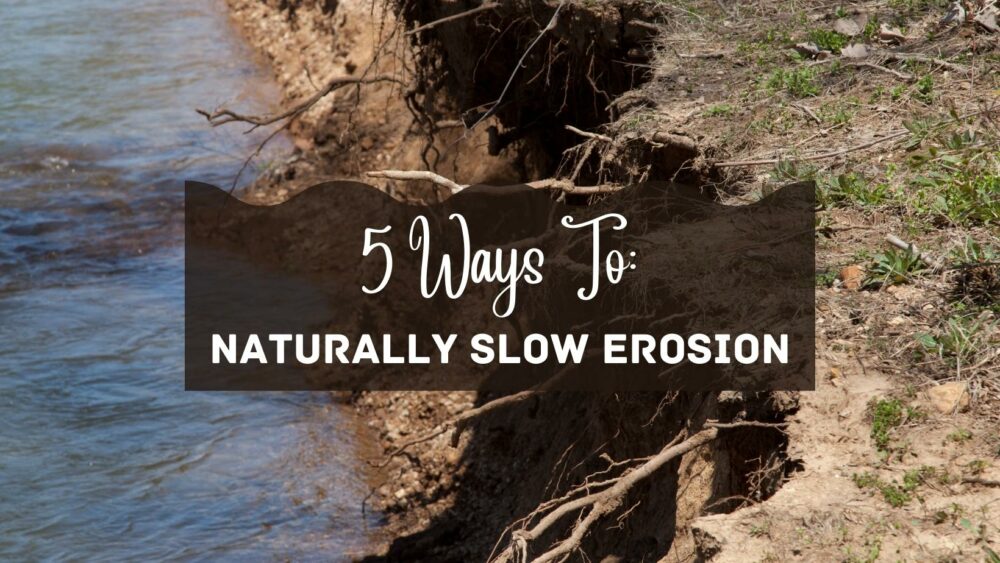
One of the worst natural phenomena is erosion. Wind, water, and man-made erosion all degrade land quality. Erosion also reduces water quality by pulling pollution into waterways. This causes unhealthy living conditions for aquatic life. Follow the tips below to slow erosion in your area and help your local wildlife!
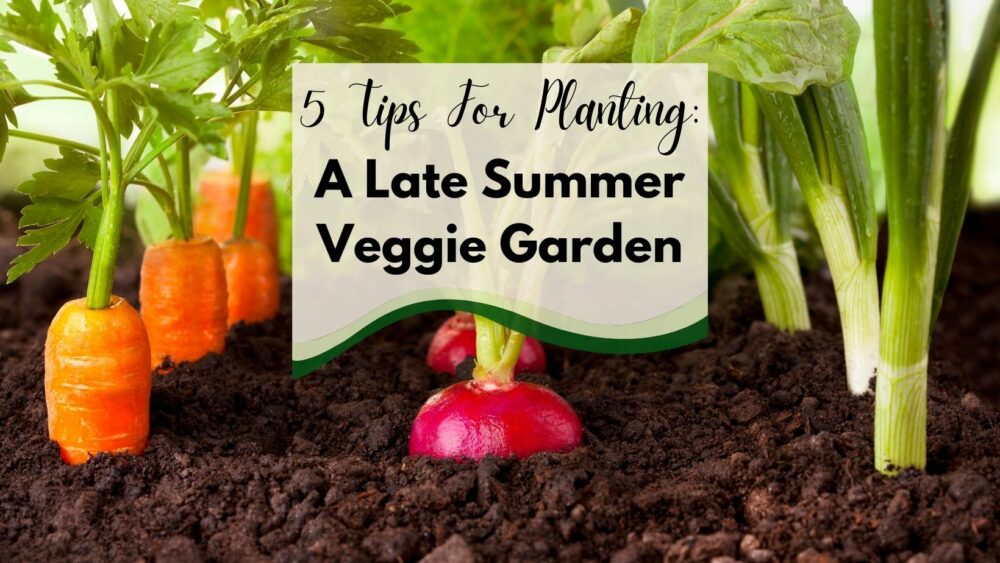
Growing a vegetable garden may seem intimidating, but the benefits are well worth it. It can be a great hobby, provide you with fresh produce, and save you money! Here are some tips to help you successfully grow your first veggie garden.
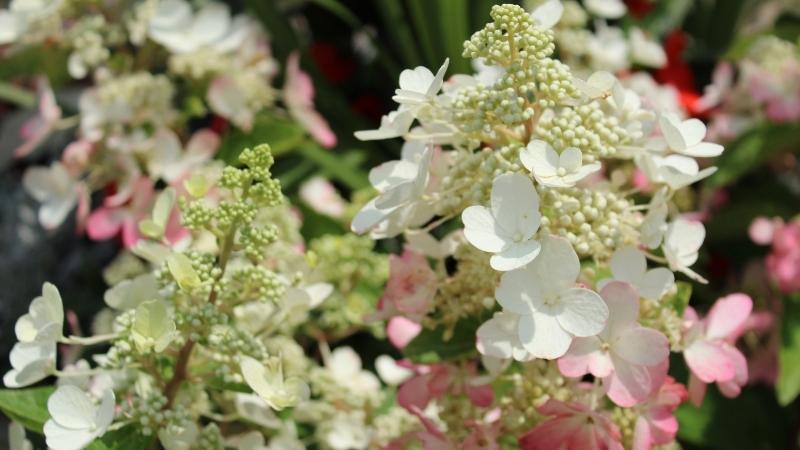
Hydrangeas are beautiful shrubs that bring endless beauty to an outdoor space. If you are in search of a long blooming, vibrant-colored, summer flowering shrub to add to your yard this season, a hydrangea is most definitely a top-tier option!
Having a garden is a joy; having a cohesive garden that inspires you every time you look at it is simply the best. Create an immersive experience and express your unique style with these garden themes, trending now.
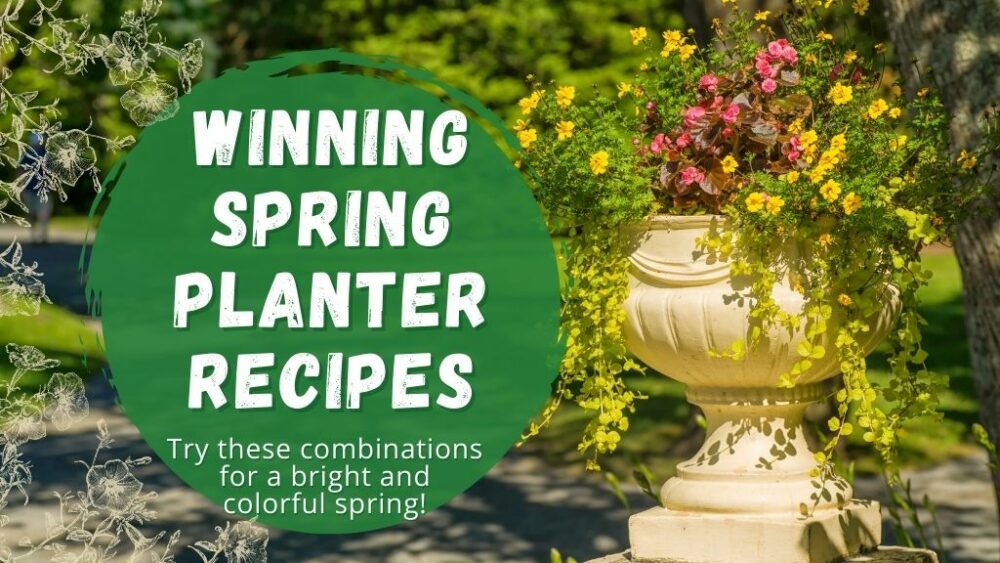
Combination planters and mixed hanging baskets are perfect ways to add color, texture, and joy to your outdoor living spaces. Check out these ten stunning planter recipes for a kickstart into spring. Just add a planter and some soil, water, and sun – instant color!
What are the building blocks of well-designed gardens and backyard landscapes? Well, they are very similar to the building blocks of a poem, a song, or a painting. Garden design is an art form, and it benefits from the same ideas and structures that other art forms use every day. Read on to learn a few key basics that will help you unlock your inner garden designer.
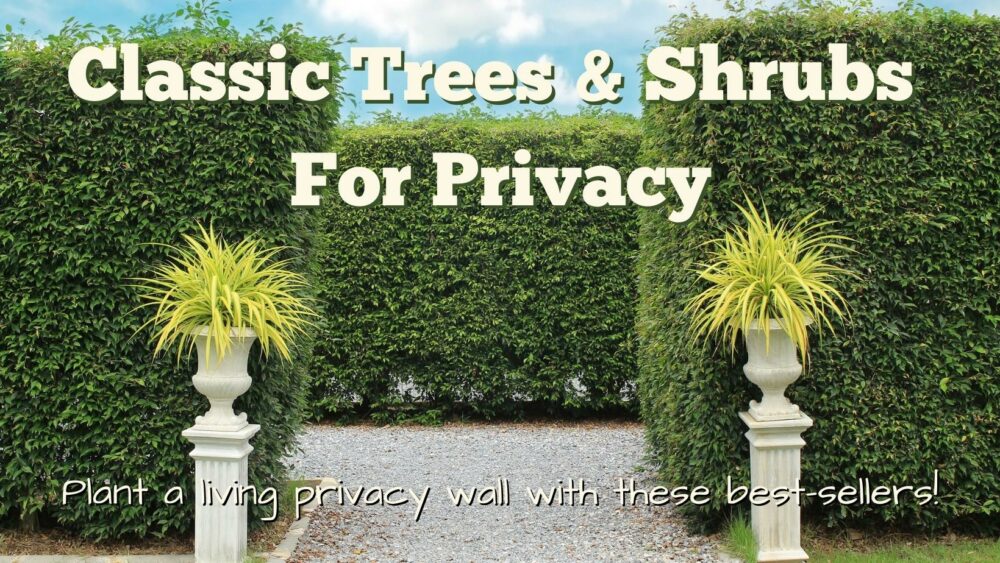
Sometimes it’s best to stick to the classics, and these six plants are perfect for creating privacy. Read on to learn why a living privacy wall can help create lasting privacy, and which plants we know will get the job done.
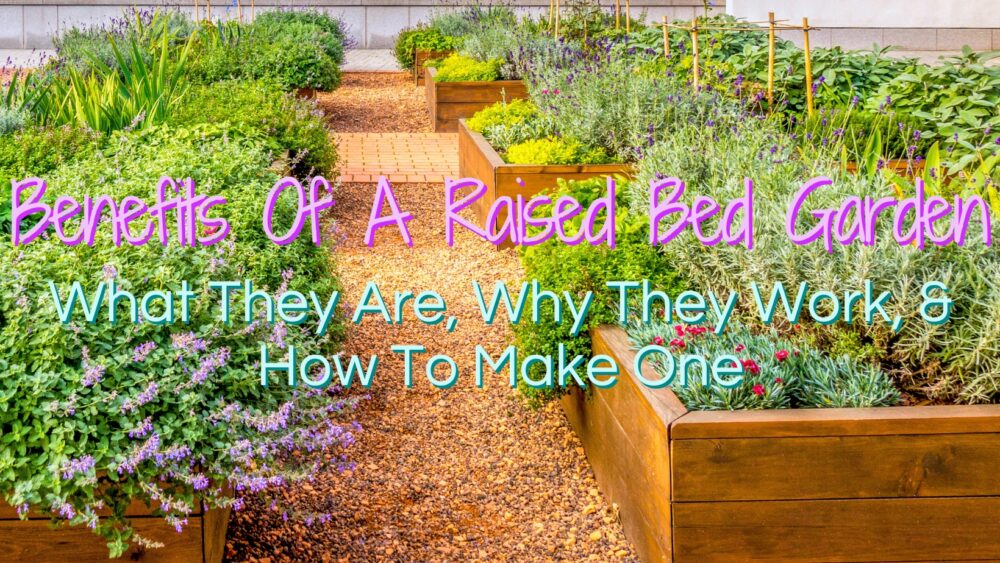
Raised Bed Gardens are all the rage these days. What are they and why are they so great? Read on to learn why we love raised bed gardens and how you can make your own!
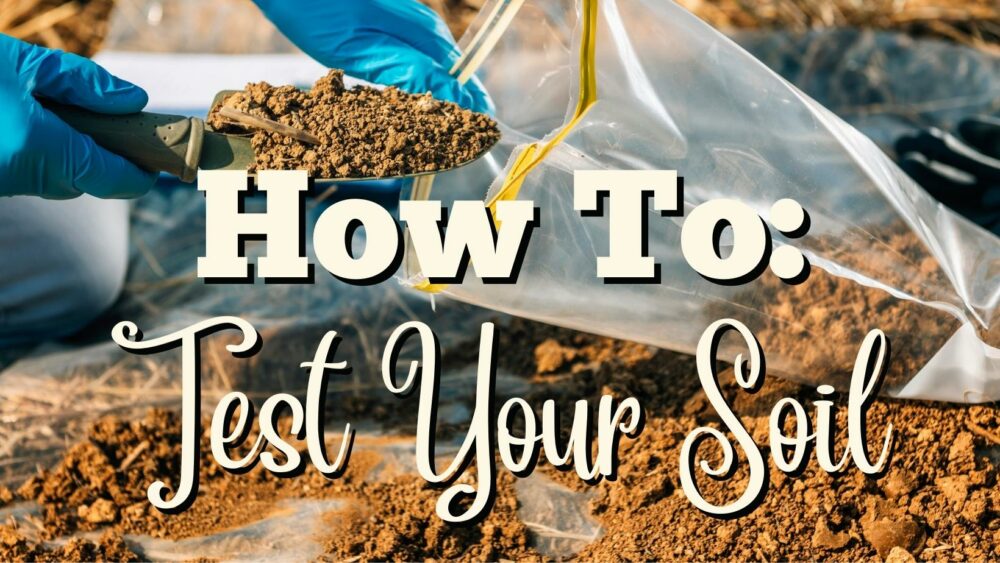
Before you dig into your garden beds, it’s important to know the soil you’re working with. Read on to learn what to look for, what to test for, and where to get the right tests for you.
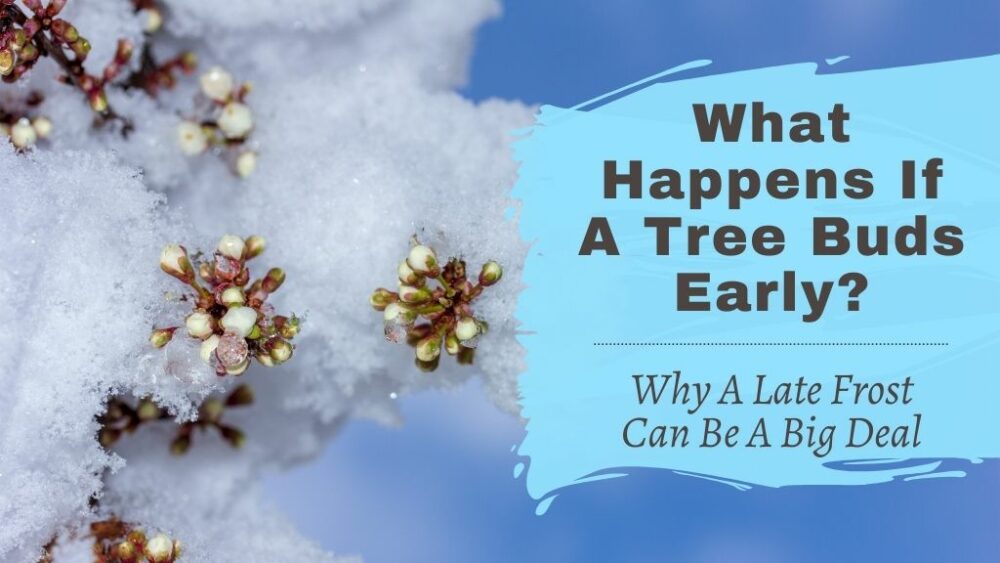
Maryland weather can get weird, and it can be stressful for trees. Learn why an early bud and a late frost stress trees out so much, and what you can do if it happens.
What is your garden saying? According to the Language of Flowers, the plants in your bouquets and flowerbeds are imbued with layers of meaning and symbolism. Learn what different popular flowers and plants represent.
Caring for plants and tending to a garden can boost your mood, and it’s not just us saying so. Studies show that plants can improve our mental health. Read all about how and why biophilia works to make us feel better.
New to the world of indoor plants? Want a new hobby but don’t know where to start? Doubt your green thumb or plant fostering abilities? This is the article for you! Everyone starts somewhere. Here’s everything we think you need to know in order to start fostering a happy, healthy indoor jungle.
Snow can be a hassle, but did you know all the benefits it brings to the garden? While freeze-thaw cycles can be deadly for plants, snow can actually protect your plants in the winter. Learn why snow helps gardens thrive come spring.
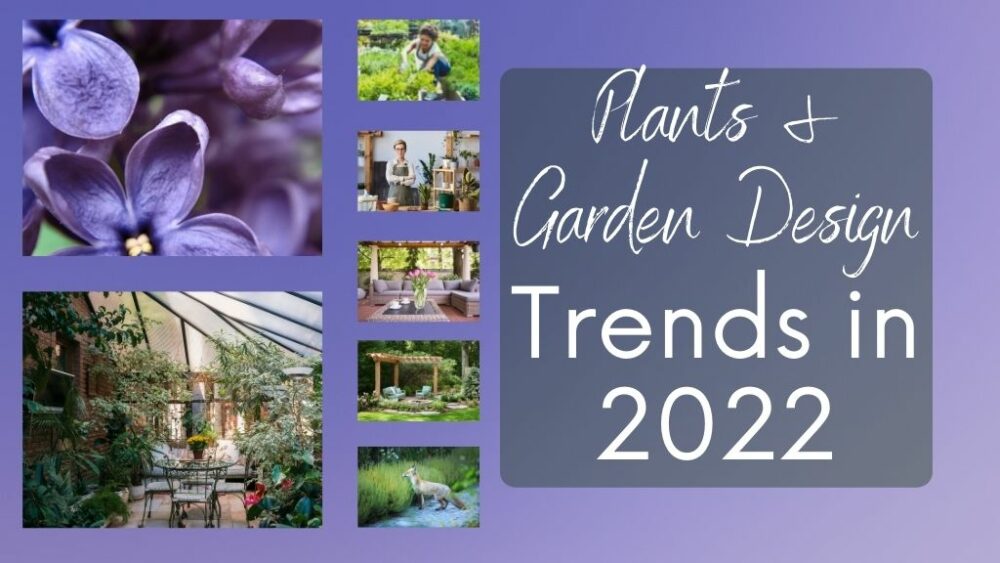
The biggest themes for 2022 we’ve seen repeated are a renewed focus on mental health, more demand for sustainability, and a blurring of lines between indoor and outdoor design. We think these ten trends are the ones that will make the biggest impact in gardening and horticulture in the new year.
We’ve compiled a list of our favorite quotes about gardening. Why? Because we love the way these writers, gardeners and thinkers have phrased that indescribable feeling you get in a garden with soil under your nails.
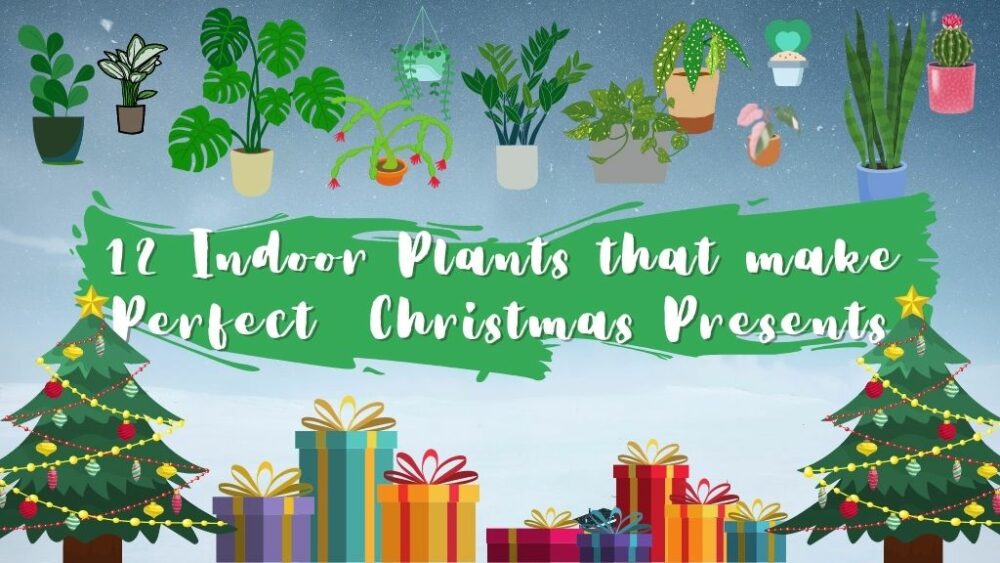
What are the best gifts? We love receiving plants, and we think your friends and family will too! These are perfect plants for Christmas presents, no matter how little they know about plants or how little light is in their home.
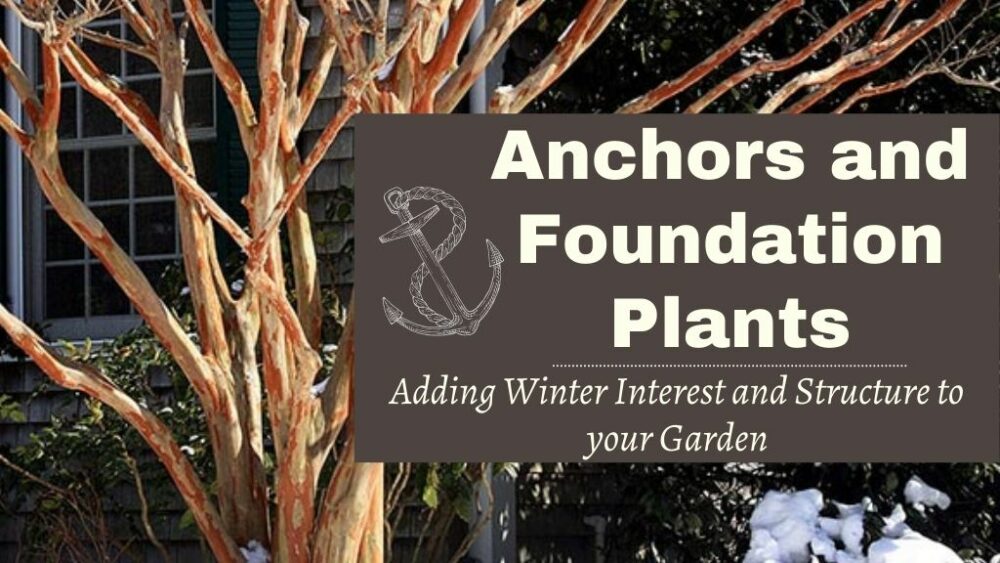
To incorporate winter interest into your home landscaping, try this technique: make sure your garden has good anchors and that your home has good foundation plants. These two principles of landscaping are great ways to bring evergreen foliage and winter interest into your garden designs. Read on to learn the difference between anchors and foundation plants, and why early winter can help you choose the right ones!