


Woolly Creeping Thyme
Thymus pseudolanuginosusWoolly Creeping Thyme, Thymus pseudolanuginosus, is a low, creeping perennial grown for its soft, fuzzy foliage. Its tiny gray-green leaves are covered in fine hairs that give the plant a silvery, felted look and a velvety feel underfoot. The thin, woody-based stems creep along the ground and form a dense mat only 1–3 inches tall and 12–18 inches wide. The leaves give off a light herbal scent when brushed.
In early summer, small pink flowers open in clusters across the mat, sparse on some plants and plentiful on others. The blooms draw bees and butterflies. Outside of bloom, the gray-green carpet stays attractive from spring through fall, and the foliage often holds through winter. It is used between stepping stones and pavers, along path edges, in rock gardens and on top of stone walls, and it spills neatly over the rims of patio containers and troughs.
Woolly Creeping Thyme needs full sun and lean, sandy, gravelly or loamy soil that drains quickly, ideally neutral to alkaline. Once established it handles drought, poor soil and light foot traffic, and deer seldom bother it. Wet soil is its main weakness: soggy ground, especially in winter, leads to root and crown rot. A sunny, open spot where water never collects keeps the mat healthy and dense.
Care Instructions:
Planting: Plant in spring or early fall in full sun, between pavers, along walk edges or in raised, gravelly beds where water drains away quickly.
Soil: Prefers lean, sandy or gravelly soil with a neutral to alkaline pH; work grit into heavy clay or plant in a raised bed instead.
Watering: Water regularly through the first season, then only during extended dry spells, letting the soil dry out between waterings.
Fertilizing: Little or no fertilizer is needed; rich soil encourages soft, open growth that thins the mat.
Pruning: Shear lightly after flowering to remove spent flower stems and keep the mat even and dense.
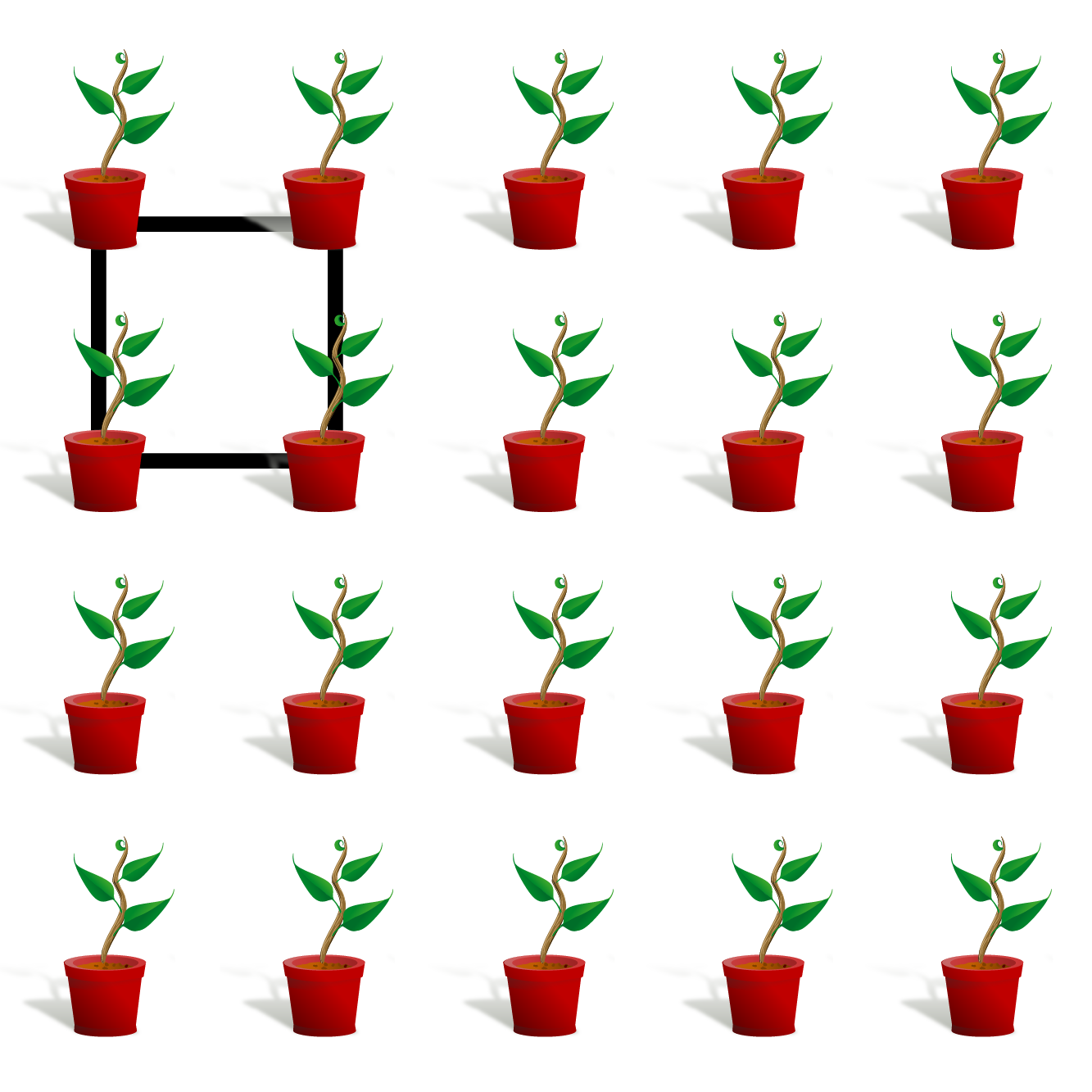
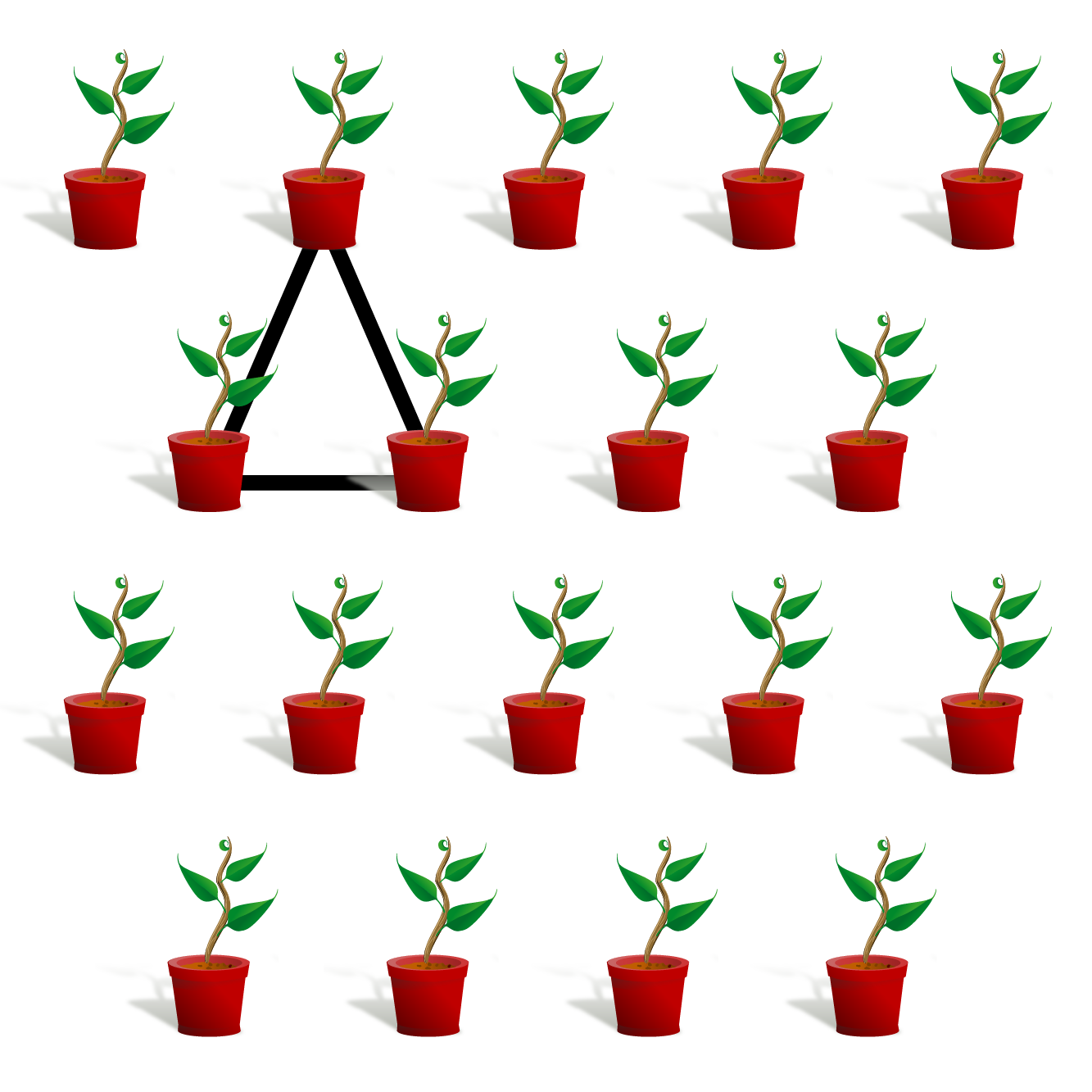
Spacing: Space plants approximately 8–12 inches apart; the mats will meet and knit into a continuous carpet.
Maintenance: Keep fallen leaves and mulch off the mat in fall and winter, and cut out any patches that die back after a wet season so neighboring stems can fill in.
Gardeners choose Woolly Creeping Thyme for its soft, silvery texture and its ability to cover hot, dry ground where lawn grass and taller perennials struggle. It softens the hard lines of patios and walkways and needs very little water or care once settled. It performs best in sunny, well-drained spots such as rock gardens, gravel paths and the crevices of stone paving.
Landscape Solutions:
- Its flat, mat-forming habit fills the gaps between stepping stones and pavers and tolerates light foot traffic.
- Drought tolerance makes it a good fit for hot, sunny slopes, rock gardens and wall tops that are difficult to water.
- Fuzzy gray-green foliage adds soft texture and contrast next to stone, gravel and darker-leaved plants.
- Pink early summer flowers provide nectar for bees and butterflies at ground level.
- Its very low height makes it a useful edging along paths and at the front of sunny borders without hiding plants behind it.