



Shasta Doublefile Viburnum
Viburnum plicatum f. tomentosum ‘Shasta’Shasta Doublefile Viburnum is a deciduous shrub from the U.S. National Arboretum, released in 1979 as the first doublefile viburnum to come out of a breeding program. Its branches grow in strong horizontal tiers, so the plant spreads about twice as wide as it is tall, reaching roughly 6–8 feet high and 10–12 feet across. Dark green, oval leaves with deeply pleated, nearly parallel veins give the shrub a coarse, layered texture.
In May, flat white lacecap clusters 4–6 inches across line up in double rows along the tops of the branches. The outer sterile florets are about one and a half times larger than those of other doublefile cultivars, and extra sterile florets are scattered through the center of each cluster. Bright red fruit follows in late July and is soon eaten by robins and other birds. In fall the leaves turn purplish red to maroon.
Shasta grows best in full sun to partial shade with moderate moisture and well-drained soil, and it adapts to clay, loam and sandy ground. In warmer southern areas it appreciates light shade during the hottest part of the day. Established shrubs handle short dry spells, but roots should not sit in standing water. The layered branches look best left at their natural width, so the planting site matters more than any later pruning.
Care Instructions:
Planting: Plant in spring or early fall in full sun to partial shade, setting the shrub at least 5–6 feet from walks, walls and other shrubs so the wide branches can spread without crowding.
Soil: Prefers moist, well-drained soil that is slightly acidic to neutral; it adapts to clay, loam and sand but declines where water collects after rain.
Watering: Water deeply once a week through the first growing season and during long summer droughts; established shrubs tolerate short dry periods.
Fertilizing: Apply a slow-release shrub fertilizer in early spring as new leaves emerge; heavy feeding encourages soft growth at the expense of flowers.
Pruning: Prune only right after flowering in late spring, removing crossing or damaged stems while keeping the horizontal branch tiers intact.
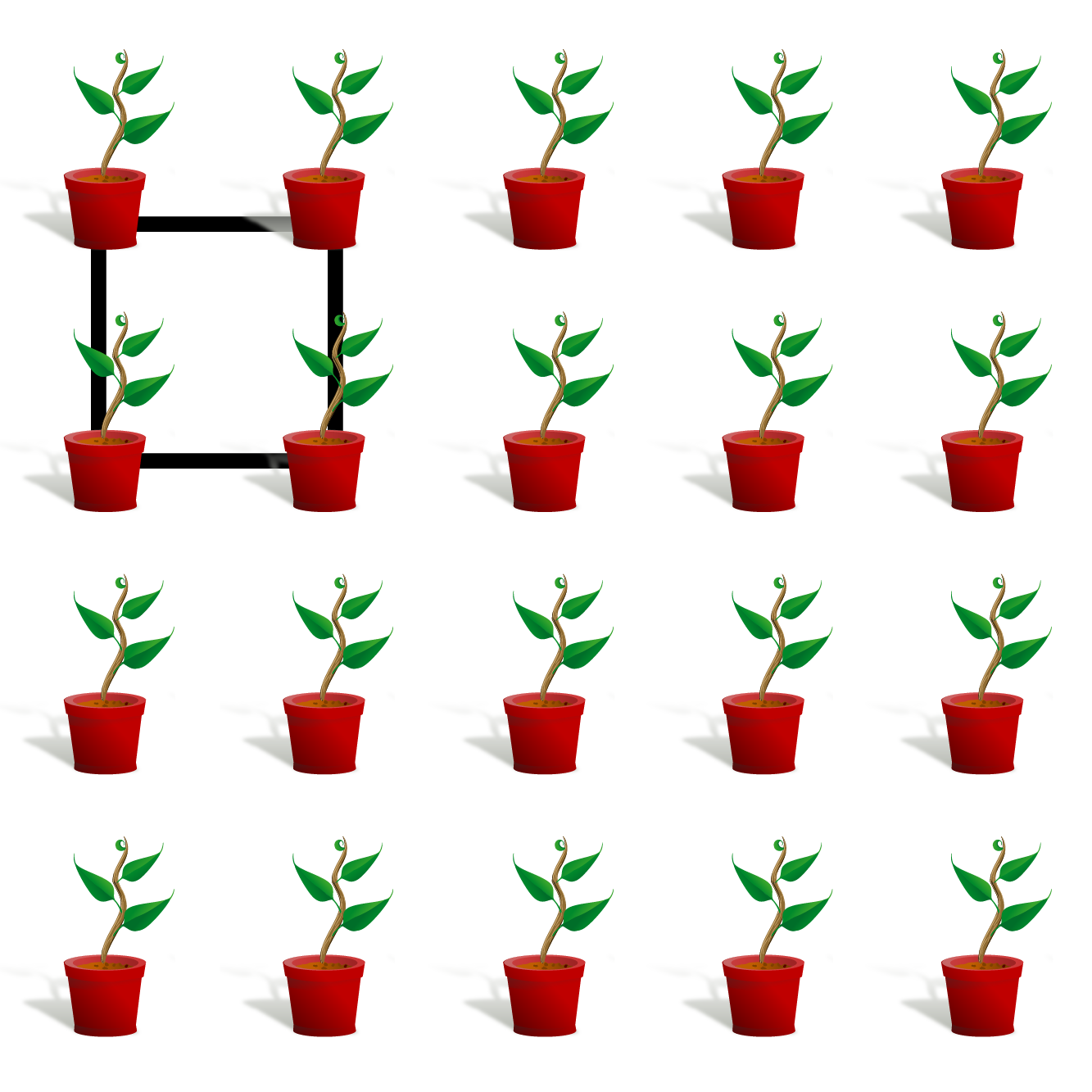
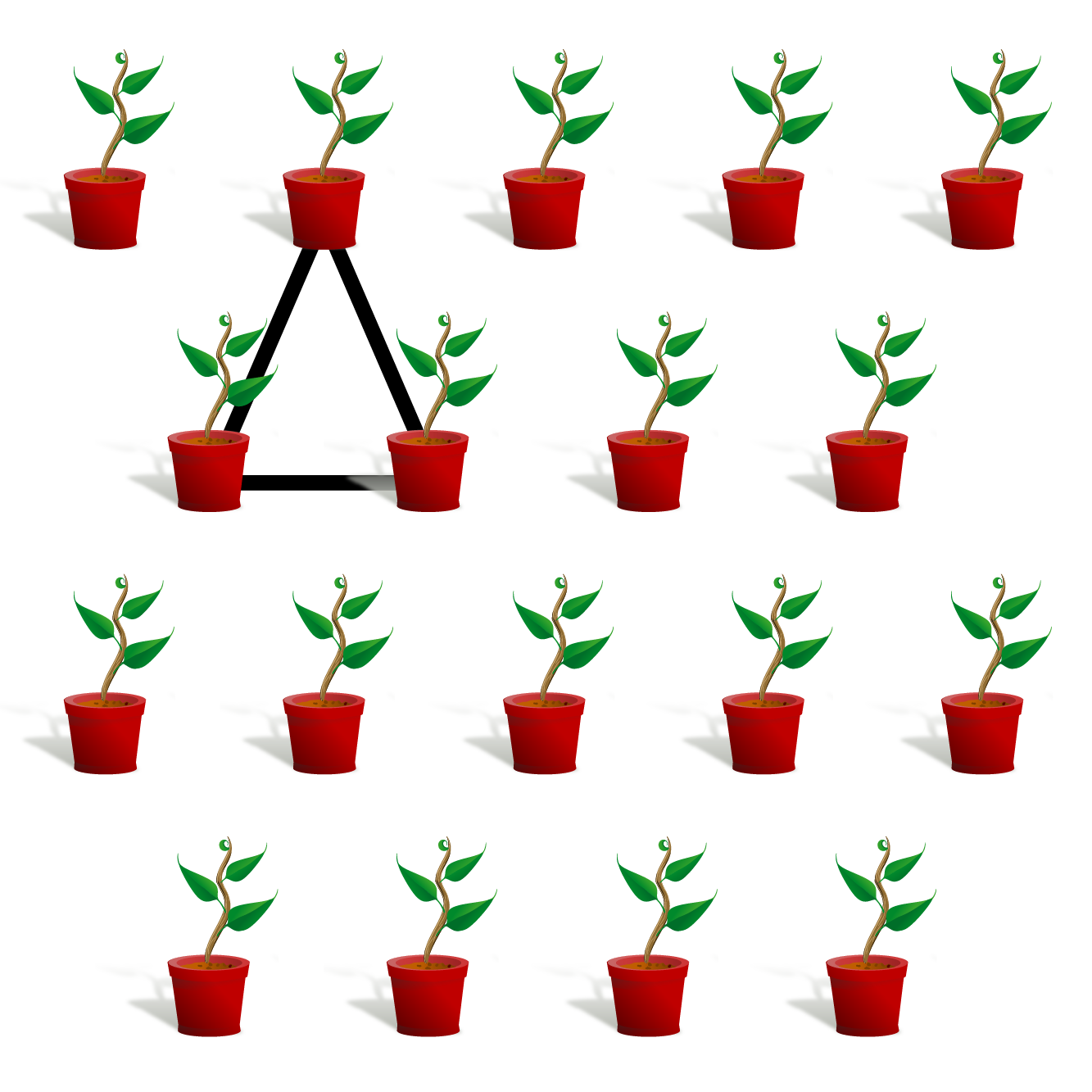
Spacing: Space plants approximately 8–10 feet apart; since this is less than the mature spread, neighboring shrubs will overlap and form one continuous layered mass.
Maintenance: Spread 2–3 inches of mulch over the root zone, keeping it off the stems, and cut out any dead wood once leaves appear in spring.
Gardeners choose Shasta for its broad, tiered outline and oversized flowers, which turn the whole shrub into a sheet of white in late spring. Its width makes it a strong horizontal element across a lawn or at the back of a border, and the U.S. National Arboretum notes it is especially effective seen from above, such as from a deck or the top of a slope. Summer fruit and fall leaf color extend its season well past bloom.
Landscape Solutions:
- Its strongly horizontal, twice-as-wide-as-tall habit adds a layered, ground-hugging line that balances upright trees and narrow evergreens.
- Planted below a deck, patio or hillside viewpoint, the flat white flower clusters along the branch tops are displayed at their best.
- Bright red fruit in late July provides summer food for robins and other fruit-eating birds.
- Its 10–12 foot spread fills large open beds and the back of deep shrub borders with only a few plants.
- Tolerance of partial shade lets it bloom along woodland edges and beneath high tree canopy.