



Lichfield Angel David Austin Rose
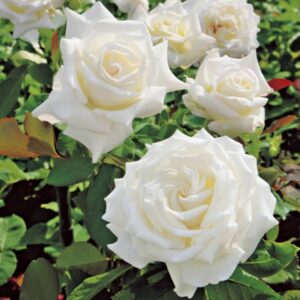
Rosa ‘Lichfield Angel’Lichfield Angel David Austin Rose is a soft and elegant English shrub rose known for its creamy white blooms, gentle fragrance, and graceful garden presence. From late spring through fall, this rose produces clusters of medium to large, fully double rosette blooms in warm creamy white, often with subtle hints of pale apricot at the center as the flowers first open. As they mature, the blooms soften to a refined, almost pure cream, creating a calm and luminous display. The petals are delicately layered, giving each flower a classic, old-fashioned look, while a light to moderate fragrance adds to its understated charm.
What makes David Austin roses especially distinctive is their ability to blend the romance and fragrance of old garden roses with the repeat blooming and improved vigor of modern varieties. Known for their lush, multi-petaled blooms, natural shrubby growth habits, and reliable flowering, these English roses bring both beauty and performance to the landscape. Lichfield Angel is a perfect example, offering soft color, continuous blooms, and a graceful, balanced form.
This English shrub rose grows in a rounded, bushy habit, typically reaching 4 to 5 feet in height with a spread of 3 to 4 feet. Its full, well-branched structure and abundant blooms make it ideal for borders, mixed beds, and cottage-style plantings where a softer, neutral color palette is desired. The healthy green foliage provides a clean backdrop that enhances the subtle tones of the flowers.
Lichfield Angel thrives in full sun and prefers well-drained soil enriched with organic matter. It performs best with consistent moisture and benefits from regular feeding throughout the growing season to support its repeat blooming habit. Good air circulation is important for plant health, and pruning in late winter or early spring helps maintain shape and encourages strong new growth. Deadheading spent blooms will help extend the flowering cycle and keep the plant looking full and tidy.
Care Instructions:
Planting: Choose a full sun location with good air circulation.
Soil: Plant in well-drained soil enriched with organic matter.
Watering: Water regularly during establishment and maintain consistent moisture during active growth.
Fertilizing: Apply a rose fertilizer in early spring and continue feeding throughout the growing season.
Pruning: Prune in late winter or early spring to shape and remove dead or weak growth. Deadhead to encourage repeat blooms.
Spacing: Space plants 3–4 ft apart to allow for mature growth and airflow.
Maintenance: Monitor for common rose pests and diseases and maintain good airflow around the plant.
In addition to its ornamental value, this rose attracts pollinators such as honey bees. Its soft coloration, reliable performance, and classic English rose form make it a versatile choice for a wide range of garden styles. Whether used in borders, cottage gardens, or as a specimen plant, Lichfield Angel David Austin Rose brings season-long beauty and quiet elegance.