


Radio Red Autumn Sage
Salvia greggii ‘Radio Red’ PP26,362Radio Red Autumn Sage is a compact, well-branched selection of Salvia greggii, a woody-based perennial native to the rocky hills of central and west Texas and northern Mexico. Thin, square stems carry small, smooth, elliptical green leaves that release a sweet herbal scent when brushed. Plants form an airy, rounded bush about 2–3 feet tall and up to 3 feet wide, shorter than the older ‘Furman’s Red’ and with larger flowers.
From late spring until frost, slender spikes of tubular, true red flowers rise above the foliage, each held in a dark calyx that deepens the contrast. The color holds without fading longer than many red selections, and the heaviest flushes often come in spring and again in fall. Hummingbirds, butterflies and bees visit the blooms steadily, and goldfinches pick at the seed heads. It suits sunny borders, pollinator gardens, low informal hedges and mixed containers.
Full sun brings the densest growth and most flowers, though plants accept a little afternoon shade in midsummer heat. Excellent drainage is the key requirement: autumn sage comes from rocky, limestone slopes and cannot sit in wet, heavy clay, especially over winter. Hardiness is rated to Zone 7, so plants overwinter best in warm, sheltered beds with gritty soil. Once established, it handles heat and drought well, and deer and rabbits seldom bother it.
Care Instructions:
Planting: Plant in spring in full sun, choosing a raised bed, slope or other spot where water drains away quickly so roots establish before winter.
Soil: Grows in lean loam, sandy or gravelly soil; work in grit or plant on a mound where clay holds water.
Watering: Water deeply and regularly through the first growing season, then let the soil dry between waterings; established plants need water only in long droughts.
Fertilizing: Apply a light, general-purpose fertilizer in spring before new growth begins; extra nitrogen produces leggy stems with fewer flowers.
Pruning: Trim off spent flower spikes during the season to encourage repeat flushes, and cut stems back by a third to a half in early spring once new growth appears.
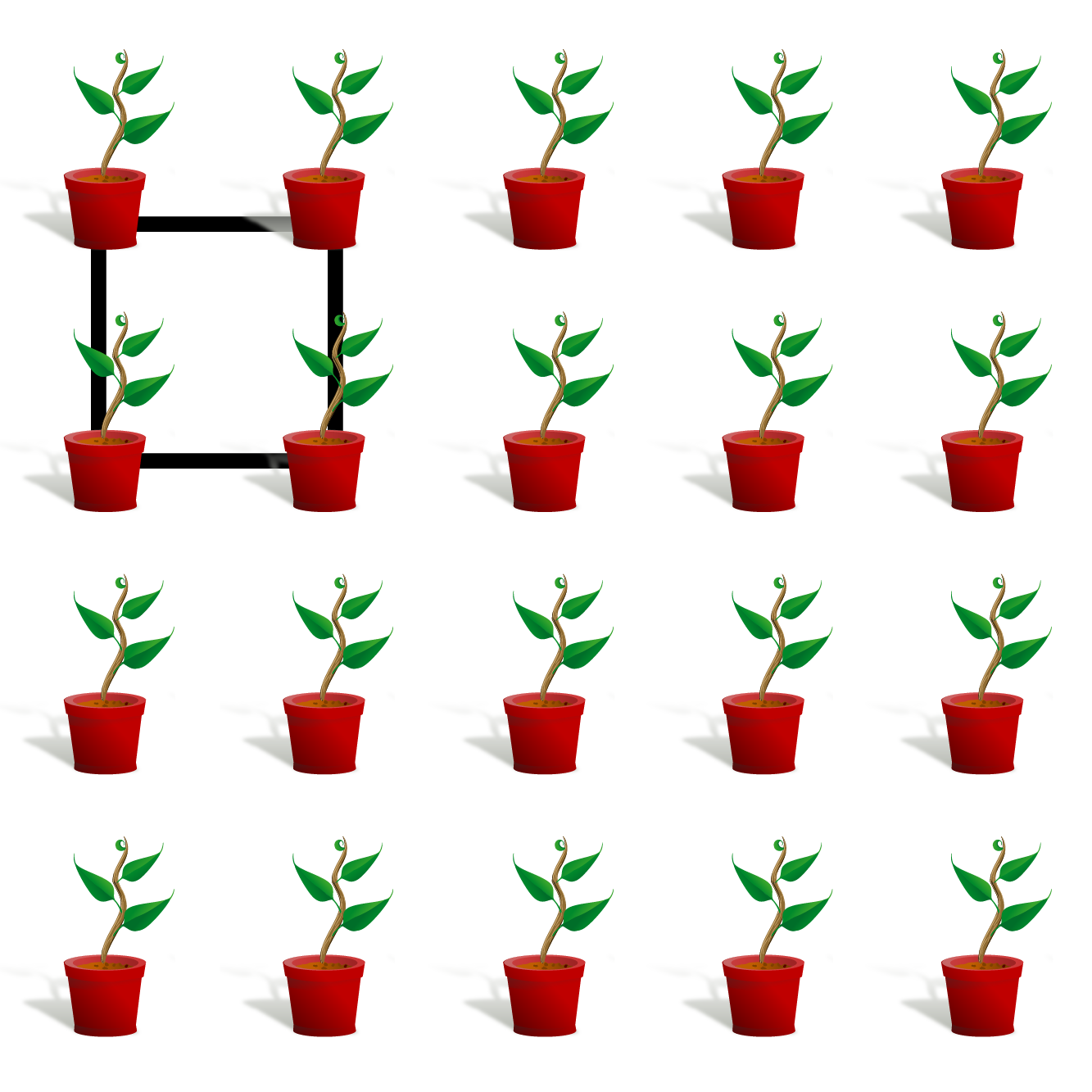
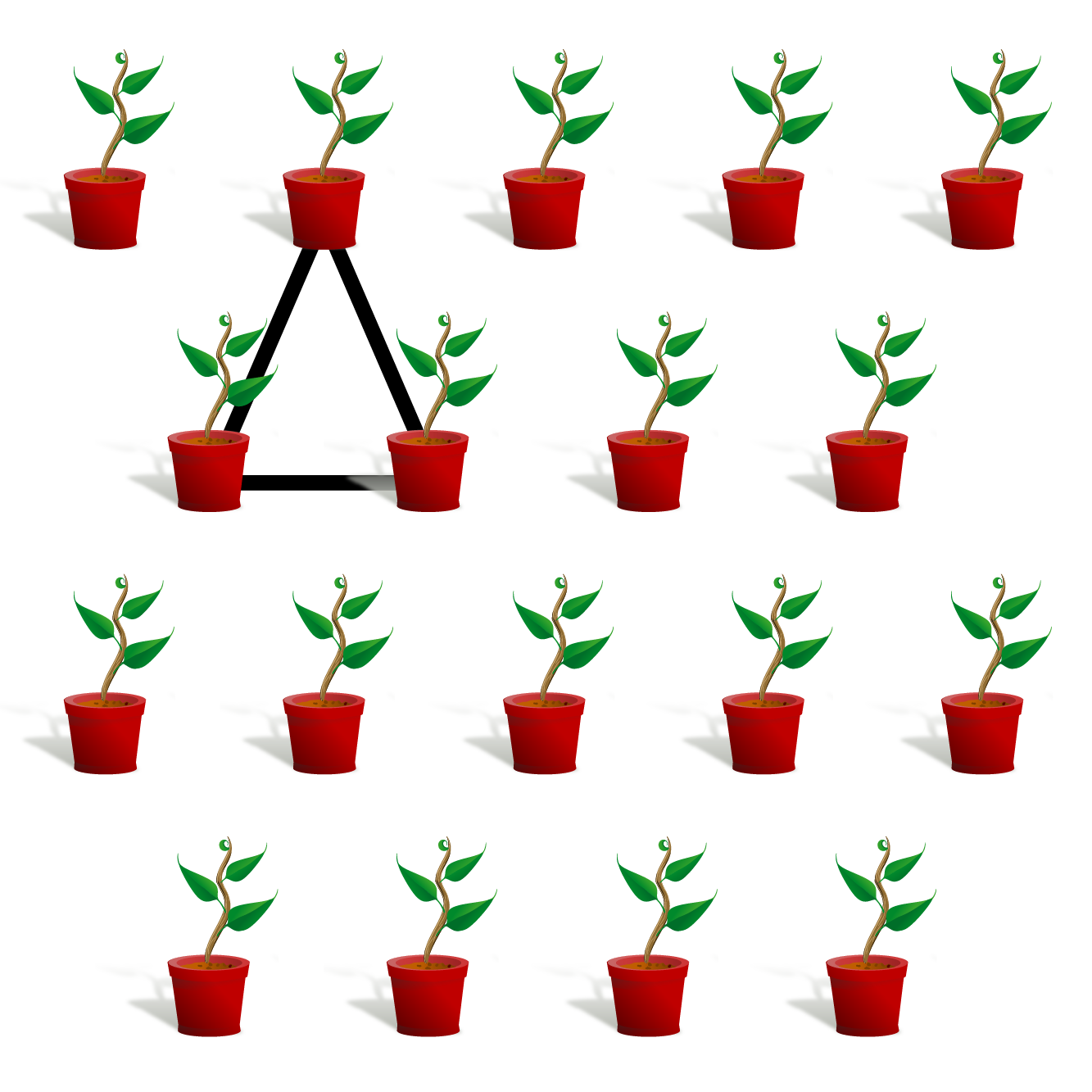
Spacing: Space plants approximately 2–3 feet apart; at the closer spacing the bushes will meet and form a continuous low hedge or band of color.
Maintenance: Leave the stems in place through winter rather than cutting them to the ground in fall, and replace any plants that fail to return after a hard winter.
Gardeners choose Radio Red for months of saturated red bloom on a plant that asks for little water or feeding. It performs best in hot, sunny spots with fast drainage, such as rock gardens, slopes, curbside strips and large patio pots, and it pairs well with coneflower, black-eyed Susan, sedum and blue fescue.
Landscape Solutions:
- Bright red tubular flowers from late spring to frost keep hummingbirds and butterflies visiting the garden for months.
- Drought and heat tolerance make it a dependable choice for hot, dry beds and slopes that receive little irrigation.
- Deer and rabbits seldom browse its aromatic foliage, so it holds up in gardens with heavy wildlife pressure.
- Its compact, bushy form can be lightly clipped into a low informal hedge along walks and patios.
- Steady bloom and modest size make it a strong upright accent in mixed containers on sunny decks and patios.