



Nigra Inkberry Holly
Ilex glabra ‘Nigra’Nigra Inkberry Holly, Ilex glabra ‘Nigra’, is a compact selection of the native inkberry with lustrous, dark green leaves that are smooth-edged and spineless, unlike most hollies. Its rounded habit stays fuller and more leafy toward the base than the wild species, which tends to open up and lose its lower foliage with age. Plants grow slowly to about 4–5 feet tall and 3–5 feet wide.
Small greenish-white flowers open in late spring and are visited by bees, whose honey from inkberry is highly regarded. ‘Nigra’ is a female clone, so with a male inkberry nearby it sets pea-sized, jet-black berries in fall that hang on into winter unless songbirds eat them first. The leaves may pick up a purplish cast in cold weather. It works as a low hedge, a foundation planting or a mass planting along a property line.
This inkberry grows in full sun to partial shade and also tolerates full shade. It needs acidic soil, since alkaline ground causes yellow leaves, but it handles clay or sand and both dry spells and periodically wet ground. In the wild it grows along swamp edges and coastal dunes, so it suits rain gardens, low spots and beds near roads that receive winter salt.
Care Instructions:
Planting: Plant in spring or early fall in sun to part shade, setting the root ball level with the surrounding soil.
Soil: Prefers moist, acidic soil with a pH below 6.5; alkaline soil causes yellowing leaves, so test pH before planting.
Watering: Water deeply once or twice a week during the first growing season; established shrubs handle both brief drought and occasional standing water.
Fertilizing: Feed in early spring with a fertilizer made for acid-loving plants such as hollies and azaleas, following label rates.
Pruning: Prune in late winter or early spring before new growth, thinning a few older stems to their base to encourage fresh growth low on the plant.
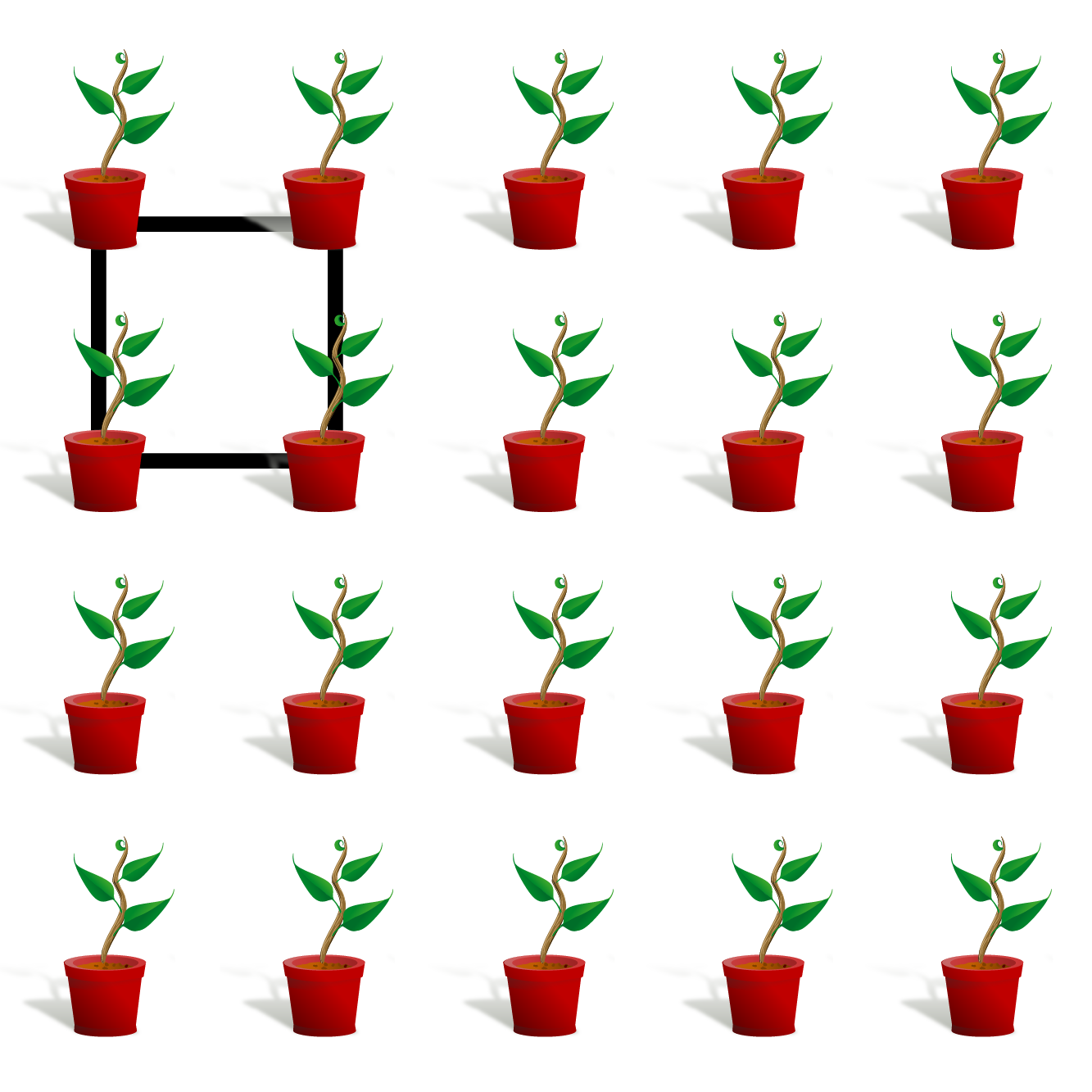
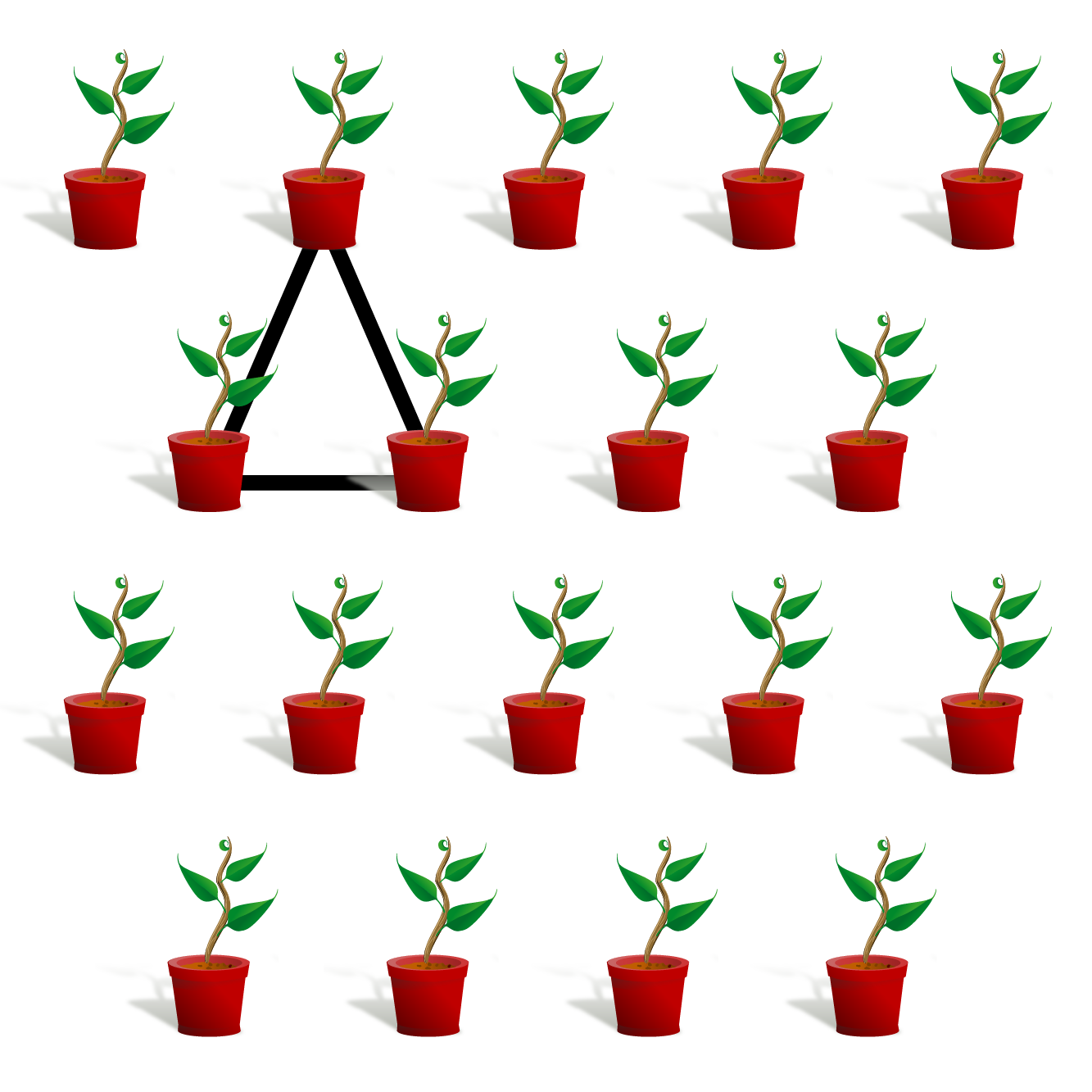
Spacing: Space plants approximately 3–4 feet apart; neighboring shrubs will grow together into a continuous hedge.
Maintenance: Mulch to keep roots cool and moist, and remove root suckers that appear outside the planting area to keep a single clump.
Pollinator: ‘Nigra’ is female and needs a male inkberry growing nearby to set its black berries; the evergreen foliage is the same with or without fruit.
Gardeners choose Nigra Inkberry Holly for a dense, native evergreen that stays in proportion along foundations and walkways without frequent shearing. It is deer resistant, accepts wet and salty sites, and supports native bees and birds. It performs best in acidic, moisture-holding soil with at least a few hours of sun, where it stays full and leafy to the ground.
Landscape Solutions:
- Provides a native, deer-resistant evergreen for low hedges and foundation plantings in yards where deer browse.
- Tolerance of periodically wet soil makes it useful in rain gardens, low spots and along drainage swales.
- Salt tolerance suits it to beds along driveways, sidewalks and roads that receive winter de-icing salt.
- A compact size of about 4–5 feet keeps it below most windows when used along the front of a house.
- Black berries on fertilized plants feed songbirds in fall and winter, adding wildlife value to native gardens.