



Andorra Juniper
Juniperus horizontalis ‘Plumosa’Andorra Juniper, Juniperus horizontalis ‘Plumosa’, is a low, spreading evergreen conifer grown as a woody groundcover. Its fine branchlets angle upward from horizontal stems, giving the plant a soft, feathery texture that sets it apart from flatter creeping junipers. Through the growing season the short, awl-shaped needles are blue-green to gray-green. Plants grow at a medium rate into a broad mat about 1–2 feet tall and 3–6 feet wide.
Andorra Juniper does not flower; its seasonal interest comes from the foliage. As temperatures drop in fall, the needles take on copper to plum-purple tones that hold through winter. Female plants may carry small, round, blue-black cones with a waxy coating. The spreading branches cover slopes and banks, soften the edges of walls and walkways, and fill sunny foundation beds, rock gardens and large containers. Planted in groups, it forms a continuous evergreen cover.
Andorra Juniper needs full sun, at least six hours of direct light a day, and does not tolerate shade. It grows in loam, sand and shallow, rocky soil across a wide pH range, as long as water drains away quickly; it does not tolerate wet ground. Once established it handles drought, heat and urban conditions, and its salt tolerance suits it to driveway edges that receive winter road salt. Deer rarely browse it. Good drainage and air movement keep it healthy.
Care Instructions:
Planting: Plant in spring or early fall in full sun, setting the root ball level with the surrounding soil in a spot where water does not collect after rain.
Soil: Prefers well-drained sandy or loamy soil; in heavy clay, plant on a low mound or in a raised bed so excess water runs off.
Watering: Water deeply once or twice a week through the first growing season, letting the top few inches of soil dry between waterings, then water only during extended drought.
Fertilizing: Apply a slow-release fertilizer for evergreens in early spring only if growth is weak; established plants in average soil need little feeding.
Pruning: Prune in late winter, cutting stray branches back to a side shoot hidden beneath the foliage; avoid shearing, which leaves bare stubs.
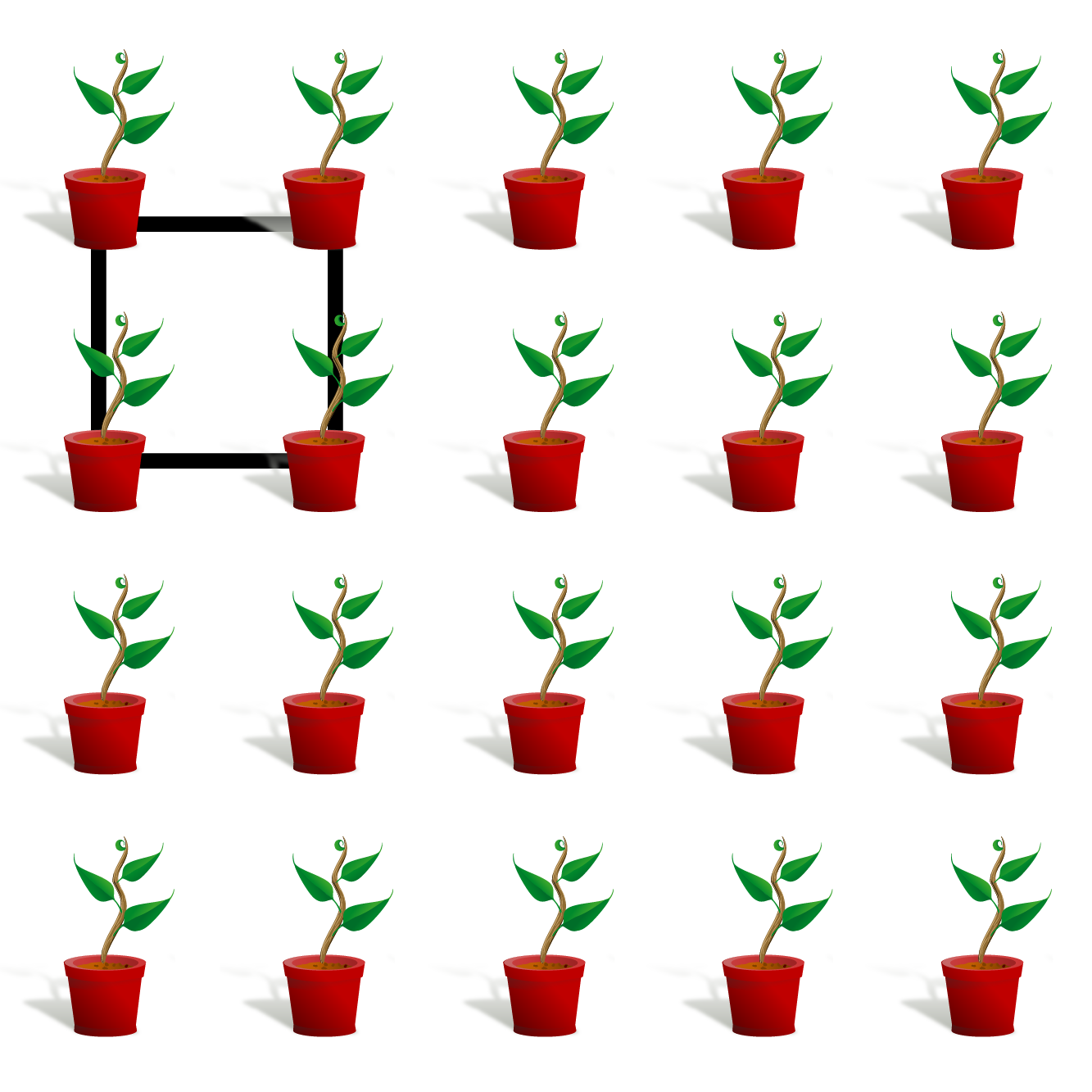
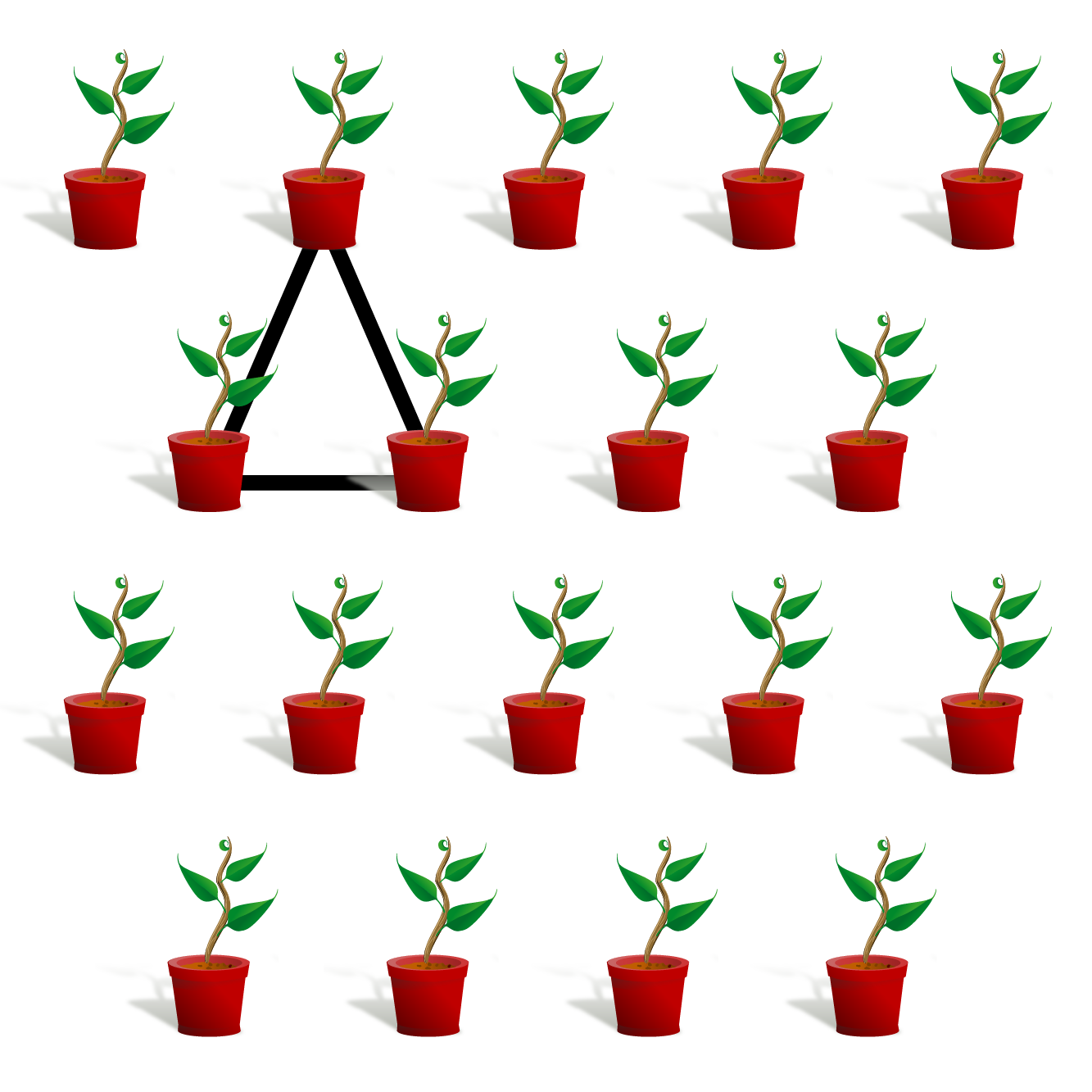
Spacing: Space plants approximately 3–5 feet apart; the spreading branches will meet and knit into a continuous mat.
Maintenance: Keep mulch pulled back from the stems, cut out brown, dying tips caused by twig blight after wet springs, and check for bagworms and spider mites in summer.
Gardeners choose Andorra Juniper for dependable year-round cover on sunny, dry ground where lawn and many shrubs struggle. Its winter purple adds color after perennials die back, and its spreading growth helps hold soil in place. It performs best on open, sunny slopes, along walks and driveways, and in raised beds or rock gardens with sharp drainage.
Landscape Solutions:
- Spreading branches help control erosion on sunny slopes and banks that are hard to mow.
- Salt tolerance makes it useful along driveways, walkways and curbs that receive winter road salt.
- Drought and heat tolerance suit it to hot, dry strips and gravel beds where irrigation is limited.
- Copper to plum-purple winter foliage adds color to foundation beds and rock gardens after perennials die back.
- Deer rarely browse it, so it holds up in beds where deer damage other low evergreens.