



Butterscotch Blue Star
Amsonia hubrichtii ‘Butterscotch’Butterscotch™ Blue Star is a fine-textured perennial selected for its improved fall color and strong disease resistance. Upright reddish stems carry dense whorls of narrow, threadlike leaves that give each clump a soft, feathery look from spring through summer. Plants form a full, rounded mound about 2½–3 feet tall and 2–3 feet wide, and the foliage stays dense down to the ground.
In late spring and early summer, clusters of small, star-shaped flowers in pale steel blue open at the stem tips. The blooms attract butterflies and bees and hold up well when cut for arrangements. After flowering, the green foliage adds airy texture to the summer border. In fall the leaves turn shades of yellow, gold and butterscotch orange. It suits borders, mass plantings and native-style gardens.
Butterscotch Blue Star grows best in full sun, where fall color is strongest, and also performs in partial sun, though too much shade can cause the stems to flop. It adapts to clay, loam or sandy soil with good drainage and is not particular about pH. Plants need steady moisture through their first season and then handle short dry spells. Deer and rabbits generally leave it alone, and established clumps grow slowly but can live for many years.
Care Instructions:
Planting: Plant in spring or early fall in a sunny spot with good drainage, keeping the crown at soil level; young plants may take a year or two to reach full size.
Soil: Adapts to clay, loam or sandy soil and is not particular about pH, though very rich soil can make the stems lax and floppy.
Watering: Water regularly through the first growing season to build deep roots, then water during extended dry spells.
Fertilizing: Needs little fertilizer; a light layer of compost or a small amount of balanced slow-release fertilizer in early spring is enough.
Pruning: Cut stems back by one-third to one-half after flowering to keep the mound dense and upright, then cut the clump to the ground in late fall or early spring.
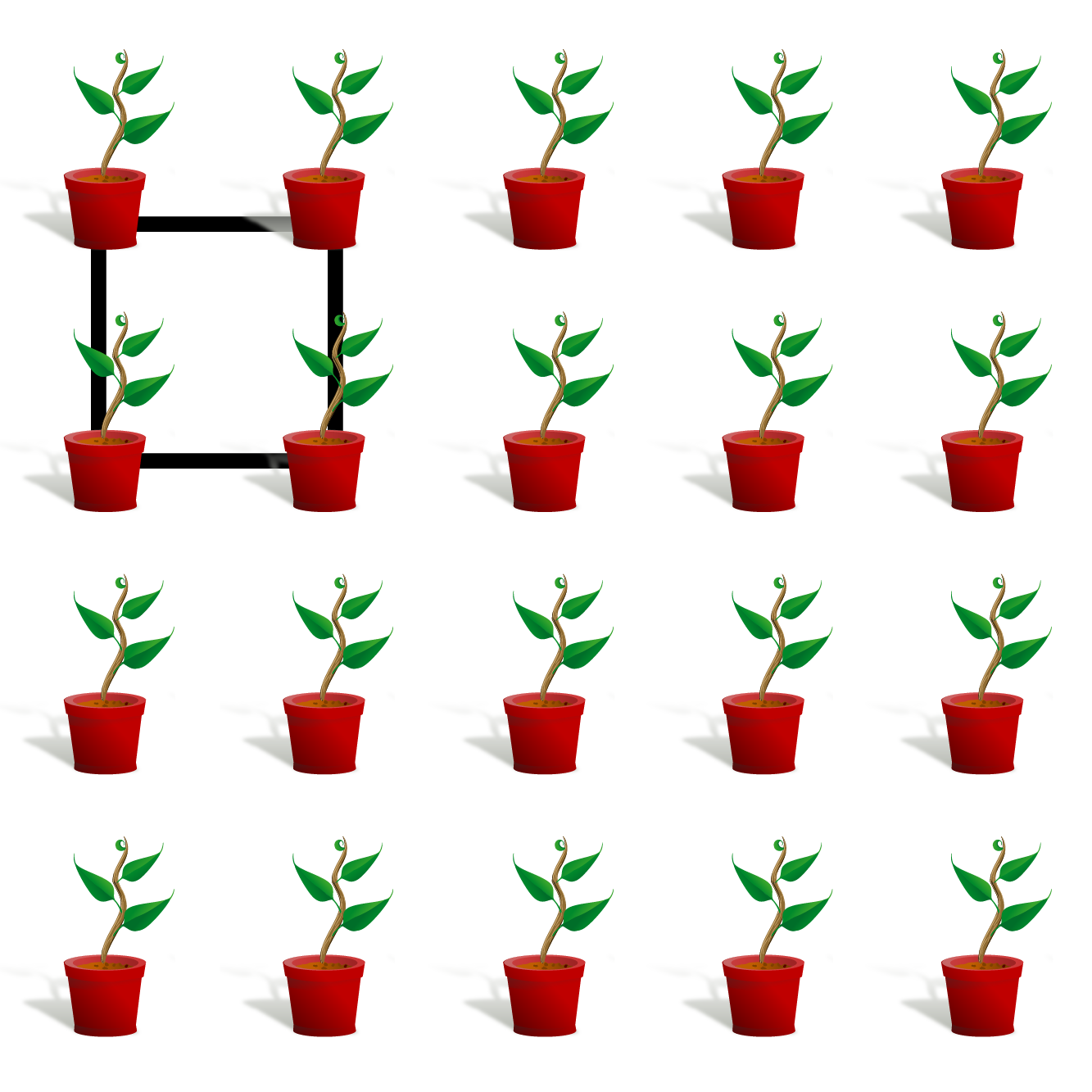
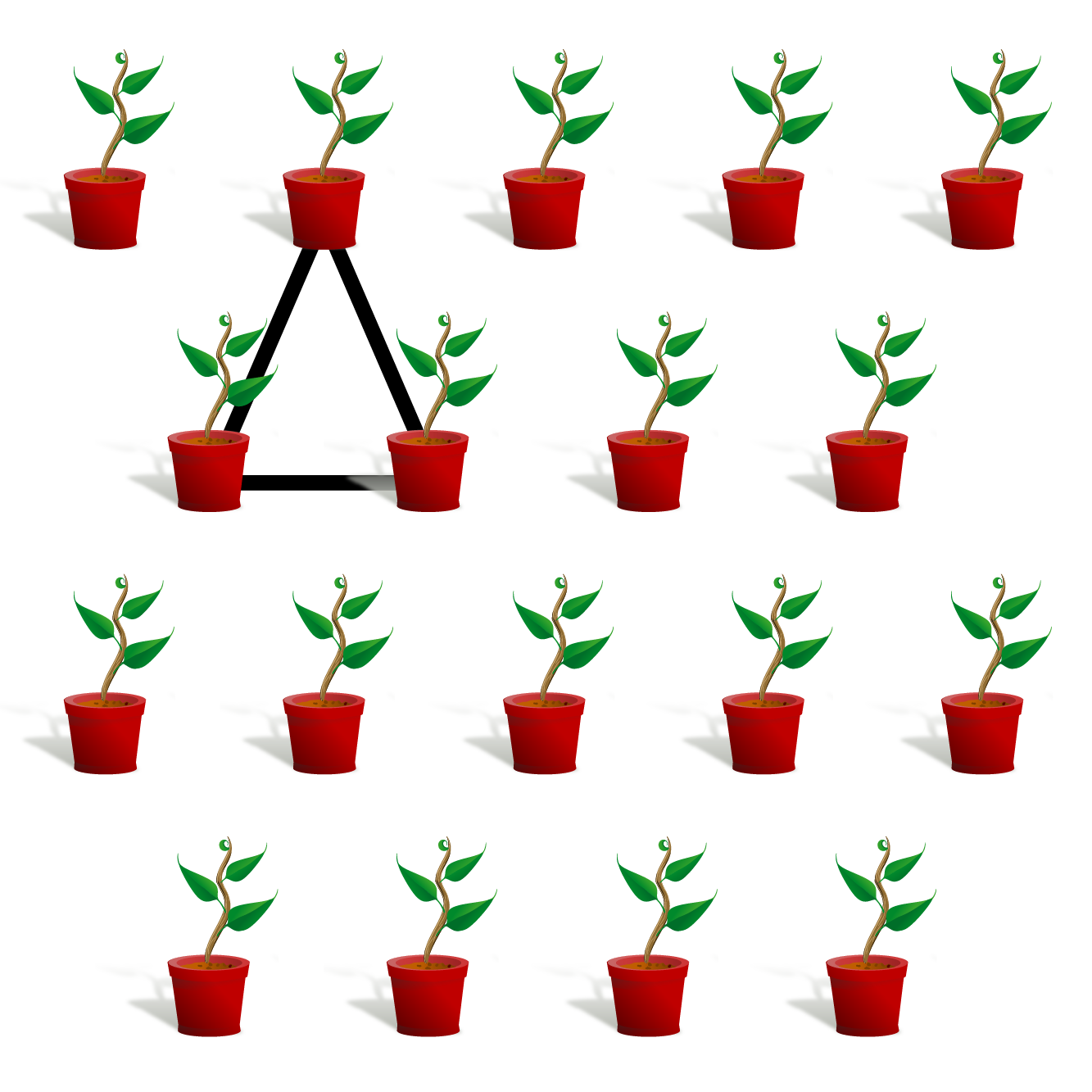
Spacing: Space plants approximately 2–3 feet apart; at the closer spacing the mounds will meet and form a continuous band of fine-textured foliage.
Maintenance: Wear gloves when cutting the stems, since the milky sap can irritate skin, and mark the crown so it is not disturbed in late winter before new growth appears.
Gardeners choose Butterscotch Blue Star for three seasons of interest with very little care. Its threadlike leaves contrast well with broad-leaved perennials such as coneflower and sedum, and its golden fall foliage pairs naturally with ornamental grasses and asters. It performs best in sunny borders and larger plantings where several plants can be grouped together.
Landscape Solutions:
- Fine, feathery foliage adds soft texture between bold-leaved perennials and shrubs in mixed borders.
- Yellow, gold and butterscotch fall foliage extends garden color after most perennials have finished blooming.
- Deer and rabbit resistance makes it useful in yards where browsing animals damage other perennials.
- Drought tolerance once established suits low-maintenance plantings that receive little supplemental water.
- Grouped plants form a uniform mass that works well on gentle slopes and along long property edges.