



Hydrangeas are beloved for their large, colorful blooms that add instant charm to any summer landscape. If your hydrangea is producing an abundance of leaves with little to no flowers, you are right to be concerned. There are several reasons why your hydrangeas aren’t blooming, and they’re simpler than you think.
Types of Hydrangeas
Before making any diagnoses, it’s important to know what type of hydrangea you have. Different varieties have varying maintenance practices. The most common varieties of Hydrangeas grown in North America are:
Mophead/Bigleaf Hydrangea macrophylla
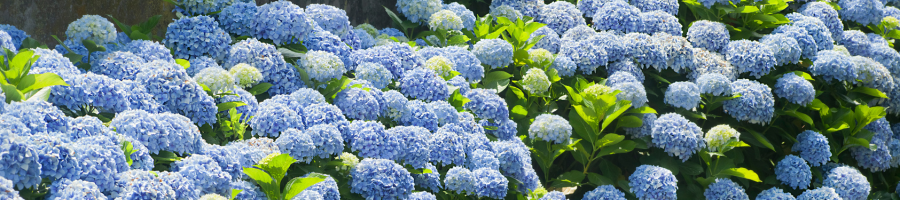
These are among the most recognizable hydrangeas, with large blooms in blue, pink, purple, and white. Bloom color can shift with soil pH: acidic soils produce bluer flowers, while alkaline soils produce pinker ones. Bigleaf hydrangeas are hardy to zone 5 and bloom on old wood, so wrong-timing pruning or late frosts can damage buds. Some newer varieties bloom on both new and old wood.
Panicle Hydrangea paniculata
Panicle hydrangeas have cone-shaped flower clusters that emerge green or white and turn pink or red as the season progresses. They are among the most cold-hardy and dependable hydrangeas for home landscapes. Hardy to Zone 3 and blooming on new wood, they should be pruned in late winter or early spring, making them a favorite for gardeners seeking low-maintenance beauty.
Smooth Hydrangea arborescens
Smooth hydrangeas are native to the United States and prized for their rounded clusters of white, pale green, or pink blooms, and are extremely reliable shrubs. Smooth Hydrangeas are also hardy to zone 3, and can either bloom on old or new wood, so it’s important to research your specific variety to get accurate pruning information.


Climbing Hydrangea petiolaris
Climbing hydrangeas are deciduous vines that cling to walls, fences, arbors, and tree trunks with aerial rootlets. In late spring and early summer, they produce fragrant lace-cap flowers that add vertical interest. Hardy to zone 4, they bloom on old wood and need little pruning beyond removing dead or damaged branches. They establish slowly, but mature plants are well worth the wait.
Lacecap/Mountain Hydrangea serrata
Mountain hydrangeas resemble bigleaf hydrangeas but are more cold-tolerant. Their lacecap flowers have tiny fertile blooms ringed by showy florets, giving them a lighter appearance. Most are hardy to zone 5 and bloom on old wood, so improper pruning or late spring freezes can reduce flowering. Some cultivars also change color with soil pH.
Oakleaf Hydrangea quercifolia
Known for oak-shaped leaves, oakleaf hydrangeas offer cone-shaped blooms, exfoliating bark, and beautiful fall foliage. They are hardy to zone 5, bloom on old wood, and usually need little pruning. They also tolerate more shade than most other varieties, making them ideal for woodland gardens and natural landscapes.

Common Troubles
Once you have identified your hydrangea and understand its typical maintenance needs, here are some common issues that can prevent it from blooming.

Improper Pruning
Improper pruning is one of the most common reasons causing hydrangeas not to rebloom. The key to pruning is understanding if your hydrangea blooms on new or old wood. Before getting too scissor-happy, take the time to research the variety in your garden and its specific requirements.
Mophead/Bigleaf and Oakleaf Hydrangeas are old wood bloomers, meaning they develop flower buds during the previous growing season. If pruned before summer, the buds are removed before they can open, leaving you with healthy foliage but no flowers. New wood bloomers, such as panicle and smooth varieties of hydrangeas, need to be pruned in late winter or early spring to produce flowers by summer.
Over Fertilizing
While fertilizing can encourage new plant growth, too much of any nutrient can stunt it. Fertilizers high in nitrogen promote leaf and stem growth but can reduce flower production if the dosage is too high.
Plants require a balance of nitrogen for foliage, phosphorus for root and flower development, and potassium for overall health. Choosing a balanced fertilizer, or one formulated to support flowering shrubs, can encourage more blooms without overstimulating leafy growth.
It’s also important to be mindful when fertilizing nearby lawns. Lawn fertilizers are often high in nitrogen, and repeated applications near hydrangeas can unintentionally affect their growth and flowering habits.
Too Much Shade
Hydrangeas typically appreciate some relief from the sweltering summer sun, but too much shade can significantly impact the flowering process. When planted into heavily shaded areas, these shrubs put all their energy into producing foliage, and flowering is put on the back burner. Some Varieties, such as panicle hydrangeas, require full sun and will not flower in shaded environments.
Most varieties prefer a few hours of direct morning sunlight, followed by afternoon shade, especially during the hot summer season. This balance helps encourage strong flower production while protecting the plant from heat stress.
If your hydrangea is growing beneath dense tree canopies or on the north side of a structure, consider pruning nearby branches to allow in more light or transplanting it to a brighter location if conditions permit.

Water and Soil Conditions
Healthy roots are the foundation of a healthy and happy hydrangea. By providing consistent moisture and proper soil conditions, you’ll give your hydrangea the best chance to produce the abundant blooms it’s known for.
Hydrangeas prefer moist but well-drained soil, especially during periods of hot weather. Deep watering during drought helps support root development and encourages reliable blooming throughout the season. Soggy or waterlogged soil can lead to root rot and weaken the plant. Incorporating organic matter into the soil and applying a layer of mulch around the base of the plant can help improve moisture retention and regulate soil temperature.

Late Frost Damage
A late spring frost can quickly ruin a promising bloom season. Hydrangeas that flower on old wood have already formed their flower buds before winter arrives, making those buds vulnerable to unexpected cold snaps in spring.
When temperatures drop below freezing after new growth has emerged, the delicate buds can be damaged or killed, preventing flowers from opening later in the season. In many cases, the foliage survives while the blooms do not.
If frost is in the forecast, cover vulnerable plants overnight with frost cloths or lightweight fabric to provide temporary protection.
Still need help troubleshooting your hydrangeas?
If your hydrangea still isn’t blooming after working through these issues, don’t give up. Sometimes a second opinion is all it takes to get your shrub back on track. Our team of experts at Patuxent Nursery is always happy to help identify your hydrangea variety, answer care questions, and offer recommendations tailored to your landscape.
Leave a Comment
You must be logged in to post a comment.