

The Maryland Department of Agriculture (MDA) has been steadily expanding the state’s Prohibited Invasive Plant List. As of July 1, 2026, the Maryland Department of Agriculture has placed new restrictions regarding several popular landscape plants, including English Ivy, Chinese Mahonia, Maiden Grass (Miscanthus), Chocolate Vine (Akebia quinata), Fountain Grass (Pennisetum), and Orange Daylily (Hemerocallis fulva). These plants join Nandina, Barberry, and Burning Bush, which were restricted earlier this year.
An invasive plant is a non-native species that spreads aggressively once it escapes cultivation, often outcompeting native plants for sunlight, water, and space. Because these plants didn’t evolve alongside local insects, birds, and soil organisms, they can take over natural areas unchecked, crowding out the native species that Maryland’s wildlife depends on and reducing biodiversity in our forests, wetlands, and waterways.
Here are our recommendations for invasive plant swaps you can plant in your landscape this week! There are beautiful alternatives for nearly every invasive on the list, many of them native to Maryland and better for your landscapes birds, bees, and butterflies.
What’s Changing & When
MDA reviews the prohibited list twice a year, with updates taking effect January 1st and July 1st. Here’s where things stand:
Effective January 15, 2026, the following were added to the list:
- Barberry cultivars: Crimson Pygmy, Rose Glow, Concorde, and Royal Burgundy
- Heavenly Bamboo (Nandina domestica)
- Burning Bush (Euonymus alatus, also called Winged Euonymus)
Effective July 1, 2026, six more species joined the list:
- English Ivy (Hedera helix)
- Chinese Mahonia (Mahonia bealei)
- Maiden Grass (Miscanthus sinensis)
- Chocolate Vine (Akebia quinata)
- Fountain Grass (Cenchrus alopecuroides)
- Orange Daylily (Hemerocallis fulva)
A few sterile cultivars are still exempt, including Lemon Glow Barberry, Firepower Nandina, Lemon-Lime Nandina, and Blush Pink Nandina. That exemption status could change with future guidance; if you’re unsure about a particular plant, ask one of our experts at the nursery. We also recommend bookmarking MDA’s Prohibited Invasive Plant Law and Regulations page for the latest updates, since the list is reviewed regularly.
Now, what to plant instead.
Shrubs
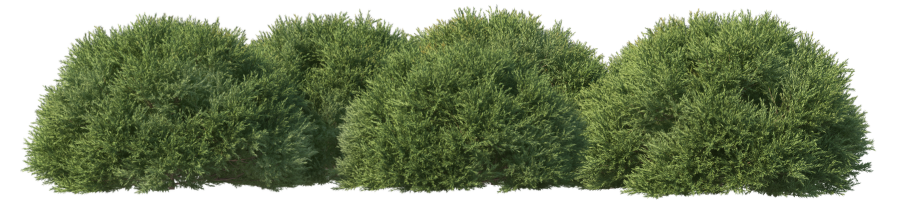
Shrubs make up the bulk of the newly prohibited plants, so this is where you’ll see the biggest changes.
Instead of Nandina domestica, try:
- American Strawberry Bush (Euonymus americanus), is the closest match to Nandina in leaf shape, with red berries, red fall color, and a mature height of 4 to 8 feet
- Inkberry (Ilex glabra), an evergreen with the same tidy, rounded habit Nandina is known for
- Winterberry (Ilex verticillata), a deciduous shrub that rewards you with bright red berries all winter
- Native Viburnum varieties (look for Viburnum dentatum cultivars), which produce red or dark blue berries, clusters of small white flowers in spring, and colorful fall foliage
- Chokeberry (Aronia), with bright red or dark blue berries depending on the variety, excellent fall color, and white spring flowers
If you’re set on that Nandina look, sterile cultivars like Blush, Firepower, and Obsession are still available and won’t set viable seed.

Instead of Barberry, try:
- Ninebark (Physocarpus), with peeling bark for winter interest and cultivars in burgundy, gold, or green
- Sumac (Rhus), known for fantastic fall color and its draw for pollinators
Weigela, Spirea, and Loropetalum are non-native but well-behaved options if you want something a little different. Mini Maroon is currently one of the only sterile Barberry cultivars still allowed.

Instead of Burning Bush, try:
- Chokeberry (Aronia arbutifolia), with brilliant red fall foliage that rivals Burning Bush, plus berries the birds love
- Fothergilla (Fothergilla gardenii), with bottlebrush blooms in spring and orange-to-red foliage in fall
- Sweetspire (Itea virginica), known for vivid red fall color and graceful, arching branches
- Blueberry varieties (Vaccinium corymbosum) also turn a rich red in fall and reward you with fruit for the table!
Andromeda (Pieris) is an attractive non-native alternative if you want something with a different texture.
Instead of Chinese Mahonia, look to native hollies like Inkberry for evergreen structure, or consider Winter Sun Mahonia, a non-native but far less aggressive relative that offers similar glossy, spiny foliage and yellow fall flowers.

Perennials, Grasses, and Vines
This category covers most of the July additions: groundcovers, ornamental grasses, and flowering vines that behave more like perennials in the garden.
Instead of English Ivy, your best bet depends on the job you need it to do:
- For a shady groundcover, try Pennsylvania Sedge (Carex pensylvanica) or Foamflower (Tiarella)
- For sunnier spots, Creeping Phlox (Phlox subulata) forms dense, weed-suppressing mats and blooms pink, purple, or white in spring
- For climbing structure, United States native John Clayton Honeysuckle or Major Wheeler Honeysuckle will scale a fence or trellis without smothering the trees around it
Instead of Chocolate Vine, Honeysuckle is a strong substitute, with vigorous growth and blooms that hummingbirds love. Climbing Hydrangea, Carolina Jessamine, and Tangerine Beauty Crossvine are other lovely options for a shadier spot.
Instead of Maiden Grass, Switchgrass (Panicum virgatum) gives you similar height and movement with deep, soil-stabilizing roots. For something shorter, Little Bluestem offers blue-green summer color that turns copper in fall.
Instead of Fountain Grass, Prairie Dropseed (Sporobolus heterolepis) is the closest native match, with fine-textured, fountain-shaped foliage and fragrant blooms. Little Bluestem also works well here if you want more height.
Instead of Orange Daylily, look for native or well-behaved cultivated daylily varieties, or try Red Hot Poker (Kniphofia), and Hummingbird Mint (Agastache), all of which offer orange-blooming varieties beloved by hummingbirds and pollinators in full sun, or Butterfly Weed (Asclepias tuberosa) for a similar pop of orange and gold that also feeds pollinators.

Have questions?
If you’re not sure whether a plant you love is affected, or you want personalized swap recommendations, ask us in-store or reach out directly. We can also point you toward the cultivar exemption form if you’re hoping to special-order one of the still-permitted sterile varieties.
We appreciate your patience as we transition our inventory to comply with these regulations. They’re in place to protect the woods, streams, and wild spaces that make Maryland’s landscape worth gardening in.
Leave a Comment
You must be logged in to post a comment.