

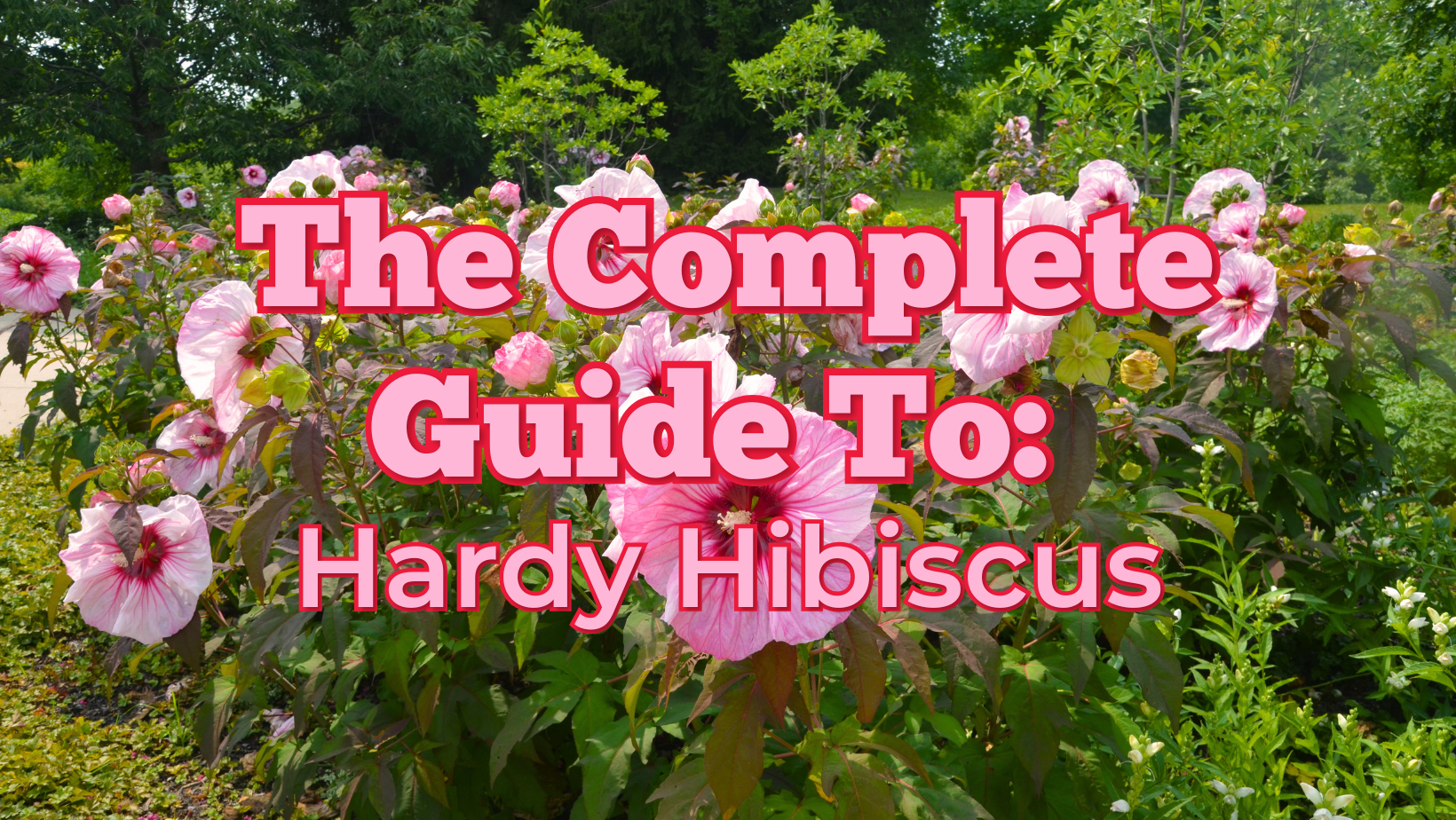
Hardy Hibiscus are among the most dramatic flowering perennials you can add to a home landscape, known for their enormous dinner-plate-sized blooms, sturdy upright growth, and season-long color from midsummer into fall. This complete guide will help you pick the best variety for your space and provide tips on watering, fertilizing, and preventative maintenance so you can grow healthy, show-stopping hibiscus that return bigger and better every year.
What are Hardy Hibiscus?
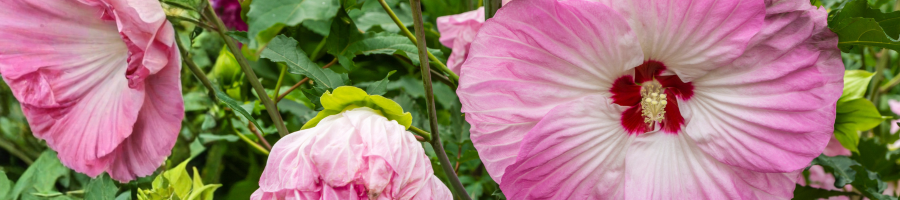
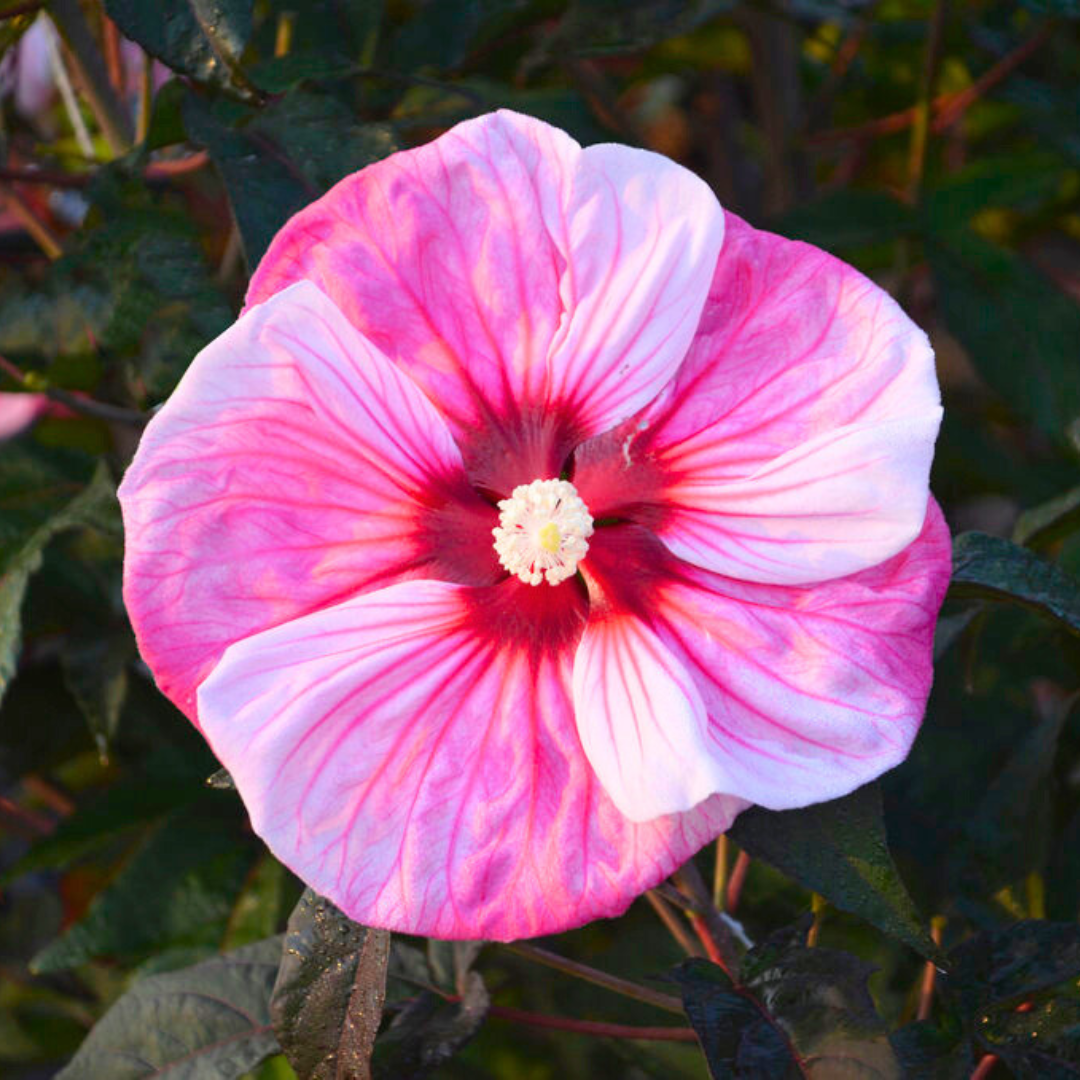
Hardy Hibiscus, sometimes called Rose Mallow, are native to the wetlands and river bottoms of the eastern and central United States, where the species Hibiscus moscheutos still grows wild along marshes and ditch banks. They bloom from mid to late summer into early fall, producing flowers that can stretch 6 to 9 inches across, some of the largest blooms of any perennial grown in home gardens. Depending on variety, hardy hibiscus can grow anywhere from 3 to 6 feet tall and just as wide, so choosing the right size for your space matters just as much as choosing your favorite color.
What Makes A Hibiscus Hardy?
The word “hardy” here refers to cold hardiness, not toughness in general, and it’s what separates these plants from the tropical hibiscus you might grow in a pot on the patio.
Hardy hibiscus are herbaceous perennials that survive winters down to USDA zone 4, some even into zone 3, by dying back completely to the ground each fall and regrowing from their root system every spring.
Tropical hibiscus, by contrast, keep their woody stems and leaves year-round and cannot survive freezing temperatures, which is why they need to come indoors or be replaced annually in most of the country.
This cold hardiness is also what allows hardy hibiscus to grow so large and bloom so heavily in a single season, since the plant is putting all of its energy into fresh top growth rather than maintaining old wood. Once established, a hardy hibiscus will come back reliably year after year with almost no winter protection needed.
Choosing The Right Hardy Hibiscus
Choosing the right Hardy Hibiscus for your space makes a big difference in your garden. There are a number of varieties available, each with different growth habits, sizes, bloom colors, and foliage textures. The most important factor to consider when choosing a hardy hibiscus is its mature size, since these are fast-growing perennials that fill out quickly once established.
Compact Hardy Hibiscus
This group stays in the 3 to 4 foot range and is ideal for foundation plantings, mixed perennial borders, and smaller garden beds where you still want a bold summer statement without an oversized plant.
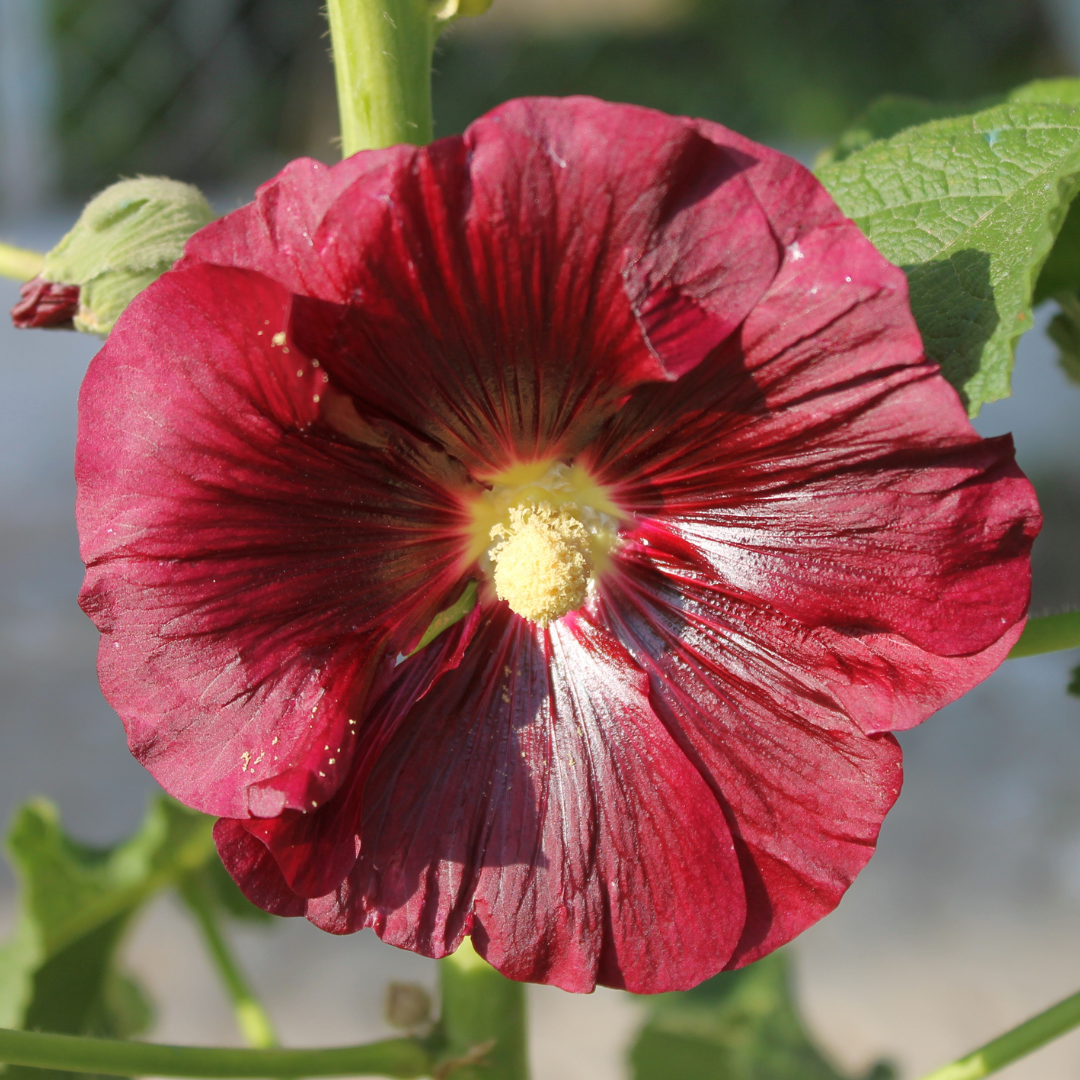
Medium Hardy Hibiscus
Reaching 4 to 5 feet tall and wide, this group works well as a specimen planting, along a fence line, or anchoring the back of a perennial bed where it has room to spread.
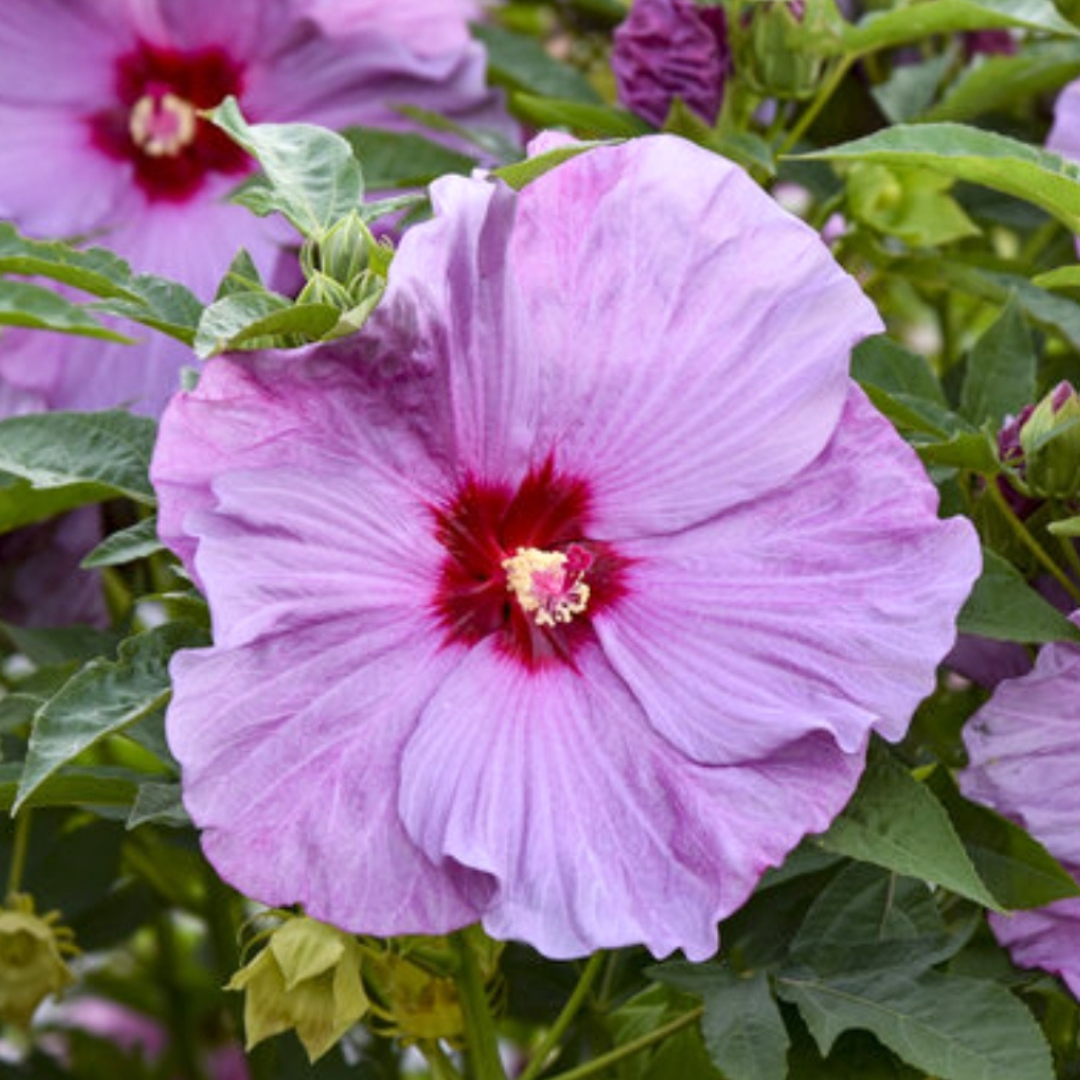
Large Hardy Hibiscus
This group can reach 5 to 7 feet tall and works best in expansive beds, rain gardens, or anywhere you want a bold vertical accent. These varieties are vigorous growers and reward gardeners with the biggest flower displays of the bunch.
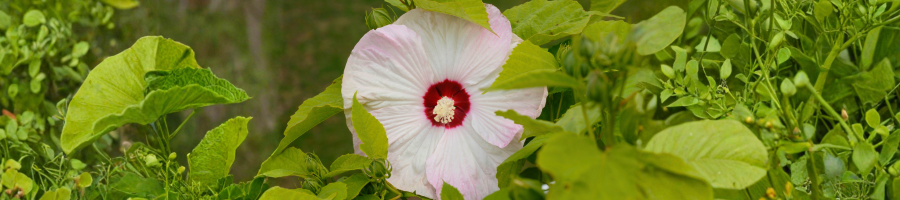
In addition to size, they are available in a wide range of flower colors, including white, blush pink, rose, red, lavender, and cream, many with a contrasting eye zone that adds even more depth to the bloom.
Care and Maintenance
Light
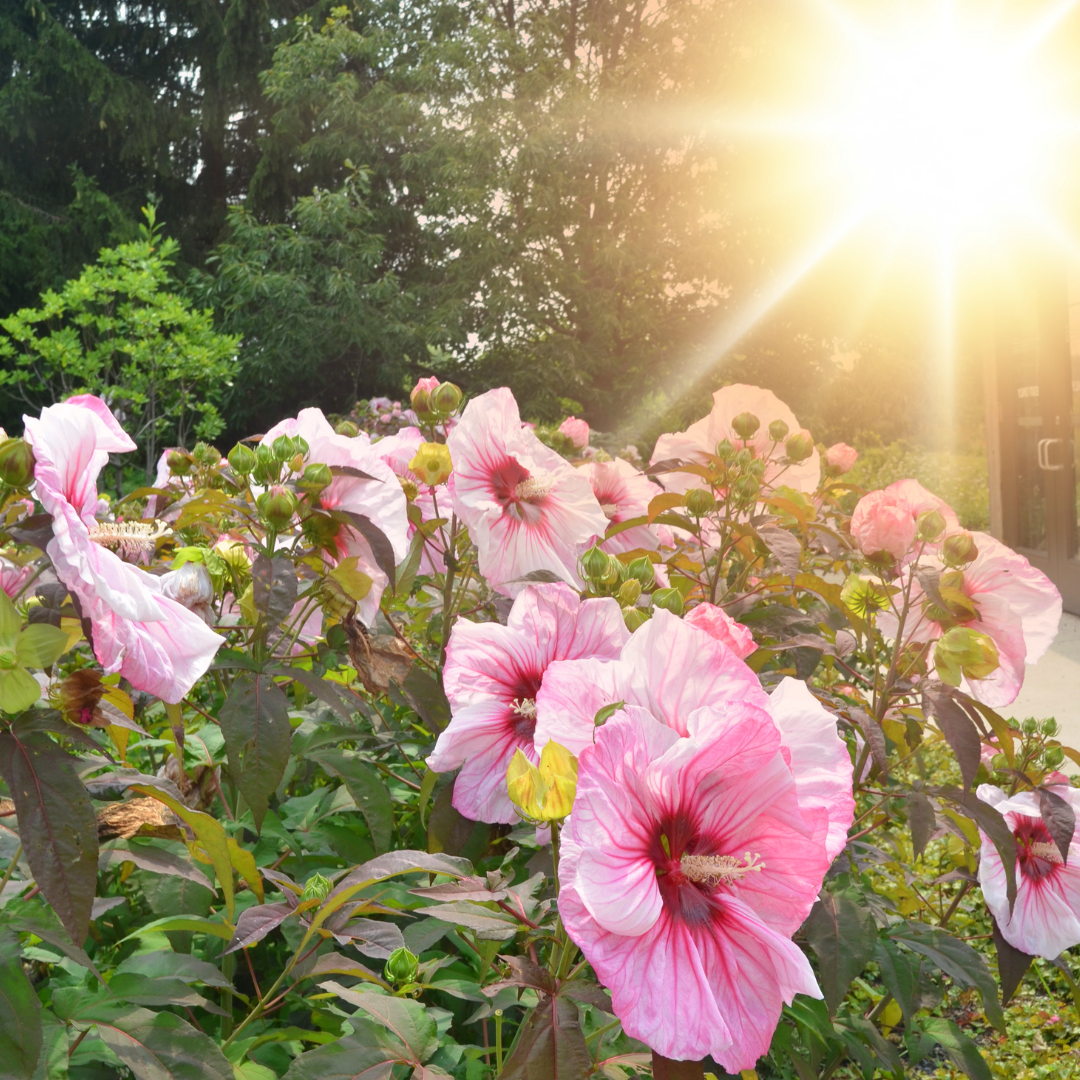
Hardy Hibiscus perform best in full sun, meaning at least 6 hours of direct light a day. More sun means more flowers and stronger stems. In hotter climates, a little afternoon shade can help protect blooms and foliage from scorching, but in most of Maryland, full sun is what these plants want.
Watering
These are thirsty plants that naturally grow near marshes and wetlands, so consistent moisture is key. Water deeply two to three times a week during the growing season, more often during hot, dry stretches, and avoid letting the soil dry out completely, since drought stress will cause buds to drop before they open. Established plants tolerate occasional wet feet far better than most perennials, making this perennial a perfect addition to your rain garden!
Soil
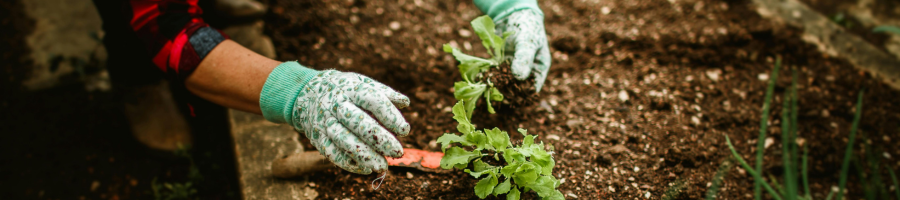
Hardy Hibiscus prefer rich, well-drained soil with consistent moisture, though they will also tolerate the heavier, poorly drained soils that many other perennials struggle in. Working compost into the planting hole at installation gives new plants a strong start.
Fertilizer
Feed in spring as new growth emerges using a balanced fertilizer, or one slightly higher in potassium to support strong blooming. Reapply every 4 to 6 weeks through the summer growing season. Stop fertilizing by early fall so the plant can begin preparing for winter dormancy. We recommend the Espoma Organic Plant-tone Fertilizer, True Organic Annuals And Perennials Food, or Happy Frog Fruit And Flower Fertilizer.
Pruning
Cut back to a few inches above the ground in late fall or early spring, since all top growth dies back naturally each winter. Do not be alarmed if new growth is slow to appear in spring; hardy hibiscus are notoriously late risers and are often one of the last perennials in the garden to break dormancy. Once they start growing, they catch up quickly.
Preventative Maintenance
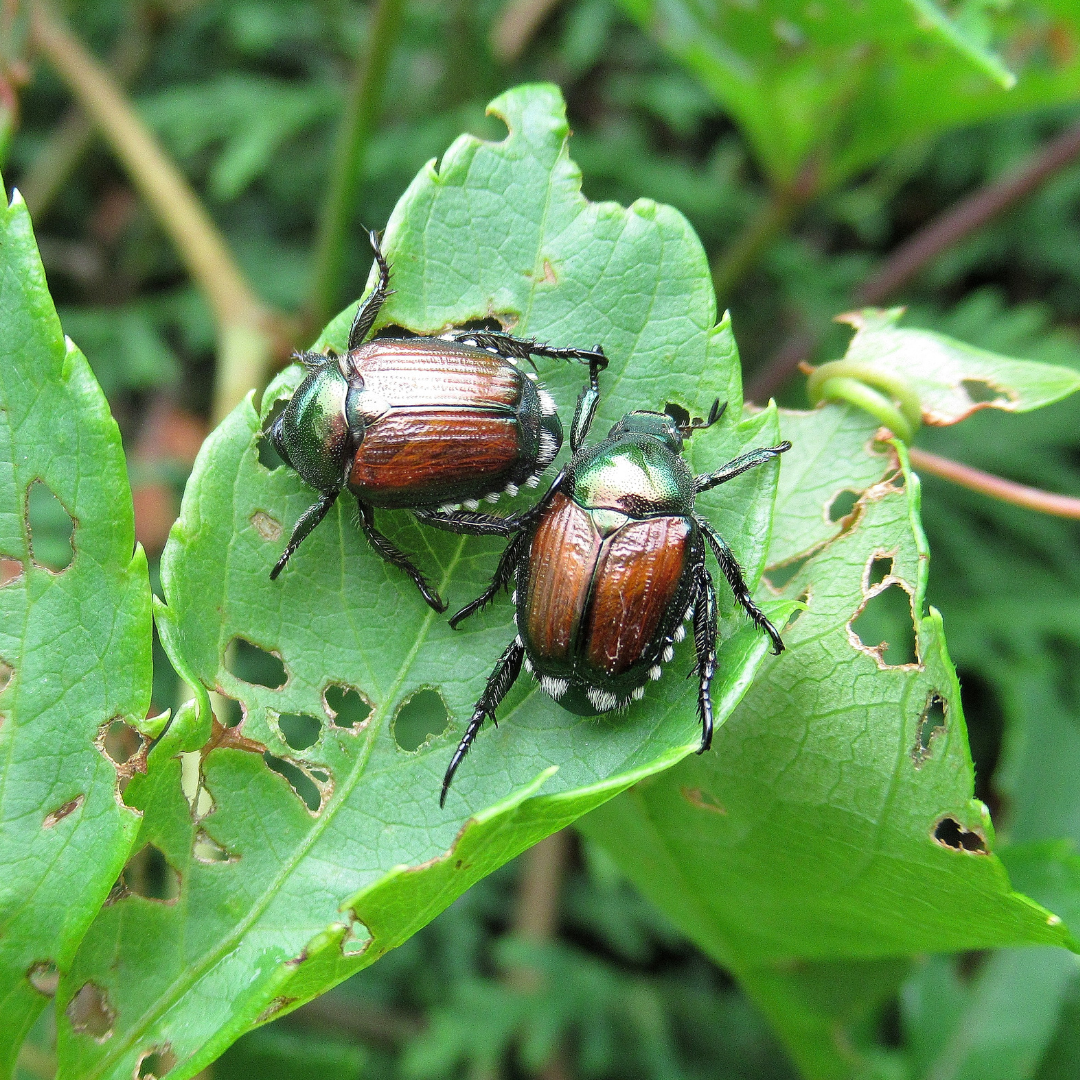
Japanese beetles are the most common pest problem on hardy hibiscus and can skeletonize leaves quickly in midsummer, so watch for them and treat early with Bonide Japanese Beetle Killer if you spot damage. Good airflow between plants and watering at the base rather than overhead helps prevent leaf spot and other fungal issues. A layer of mulch around the base conserves moisture and keeps weeds down while the plant fills in each season.
Hardy Hibiscus At Patuxent Nursery
If you need assistance finding the right variety for your space or need advice on troubleshooting your hardy hibiscus, stop by our nursery and talk with one of our representatives; they would love to help!
Leave a Comment
You must be logged in to post a comment.