



Privacy trees do much more than block a neighbor’s view. The right tree can reduce noise, block wind, provide wildlife habitat, and even increase your property value. Privacy trees are also cheaper than traditional fencing options and better for the environment in the long run. Many homeowners choose a privacy tree based on appearance or growth rate alone, which can lead to problems years down the road. The truth is that the best privacy tree for your landscape depends on your soil, drainage, sunlight, available space, desired maintenance, and how quickly you need privacy. Before picking a species, it’s important to understand what your landscape can actually support.
Start with Your Soil
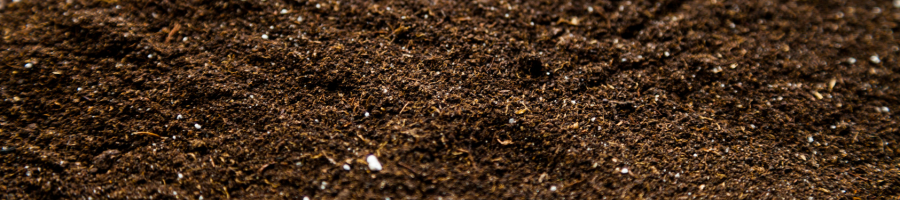
Different privacy trees thrive in different soil conditions, and planting the wrong tree in the wrong soil often leads to poor growth, disease, or early decline. Ask yourself: Does your landscape stay wet after rain, or does water drain quickly? Is your soil clay, loam, or sandy? Does water tend to pool in low spots?
If your soil holds water: Some evergreens tolerate consistently moist soils, while others struggle when roots stay wet. Arborvitaes enjoy evenly moist soil and appreciate regular watering during establishment, making it a great choice where soils retain some moisture without staying flooded. Just avoid letting roots sit in standing water for extended periods.
If your soil drains quickly: Dry soils call for trees adapted to drought once established. Eastern Red Cedar and Juniper varieties offer excellent drought tolerance, lower irrigation needs, and perform strongly in sandy or rocky soil. Knowing how your landscape handles water immediately narrows down your best options.
Decide What Type of Privacy You Want
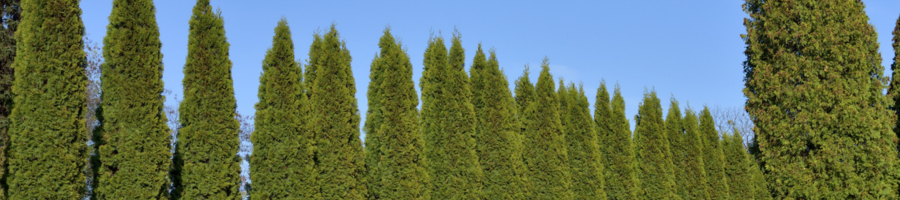
Not every evergreen creates the same kind of screen. Some form a dense wall, while others offer layered natural screening and wildlife-friendly borders. Thinking through the look you want will help guide your final choice.
Popular Privacy Tree Options

For Fast Privacy
Leyland Cypress is prized for extremely fast growth and immediate screening, making it a favorite for large properties needing quick coverage. It does require space to reach its tall mature size and can be more susceptible to disease if planted too close together or under stress.
For Formal Hedge
Arborvitae is the classic privacy hedge offering dense, year-round screening, fast establishment, and a uniform appearance that’s ideal along property lines. We offer a wide variety, from denser, brighter emerald greens to taller, softer green giants. See our arborvitae collection on our shop. It’s best for homeowners wanting a formal look and maximum privacy, though it needs watering during drought and may suffer if planted closer than suggested.
For Wildlife Habitat
Hollies bring evergreen foliage and bright berries on female plants (with a compatible male pollinator nearby) that attract birds during winter when food is scarce, all while offering ornamental appeal. We offer a wide variety of hollies in various shapes and sizes.
Spruces, such as Norway Spruce, provide a strong pyramidal shape, wildlife habitat, and windbreak capability with a more natural appearance ideal for large landscapes and rural properties.
For Drought Tolerance
Eastern Red Cedar is a tough, native evergreen that excels in dry sites and difficult soils. It’s extremely durable, adaptable, low-maintenance, and long-lived, making it ideal for natural privacy screens. This specimen also makes a great habitat for birds to nest in.
For Moist Soil
Hemlocks offer soft texture and dense branching for elegant screening, but they need consistent moisture and protection from excessive heat and drought. Partial shade is beneficial in warmer climates, and it’s best suited to woodland landscapes rather than hot, exposed sites.


For Ornamental Privacy
Magnolias are an often-overlooked privacy option. Some species, like Southern Magnolia cultivars such as Little Gem, Teddy Bear, and Bracken’s Brown Beauty, are evergreen and offer large glossy leaves, fragrant blooms, and unique texture. They create a softer, more ornamental screen rather than a formal hedge.
Cryptomeria offers a unique privacy screening option with soft, feathery evergreen foliage and a naturally graceful, layered form. Fast-growing and adaptable, it can create an effective screen while bringing more texture and visual interest than a traditional formal hedge. Cryptomeria prefers well-drained, moist soil and benefits from protection from harsh winter winds, making it best suited to sheltered locations where it has room to develop its mature size.
Think Beyond Today
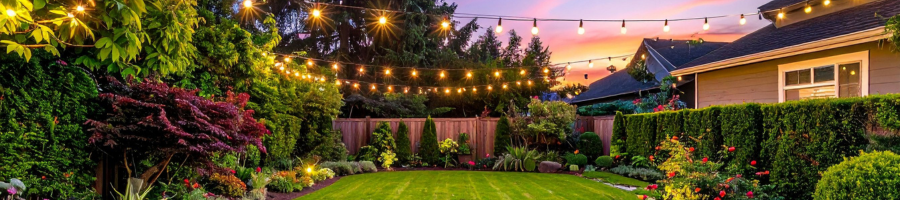
Before you plant, consider mature height and width. Will the tree eventually outgrow the space or crowd sidewalks, fences, or neighboring properties? Once a privacy tree is planted, it is almost impossible to move, so factoring in placement and mature height is essential.
Maintenance Expectations
Maintenance needs vary widely by species. Lower maintenance options include Eastern Red Cedar, Juniper, and many pines. Moderate maintenance trees include Arborvitae, Holly, and Spruce. Closer attention is needed for Leyland Cypress, some magnolias, and Hemlocks, depending on the site. In general, plan for watering during establishment, mulching, occasional pruning, and pest monitoring.
Final Thoughts
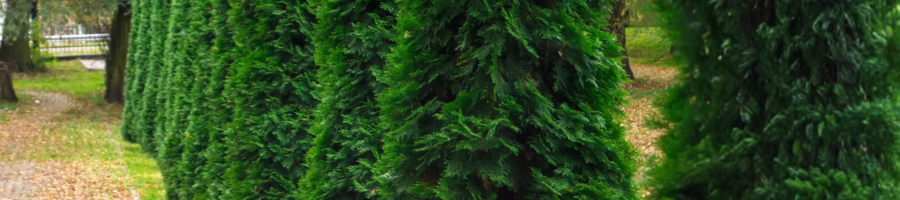
There isn’t one “best” privacy tree, only the best tree for your specific landscape and goals. Matching your tree to your soil, drainage, available space, and maintenance preferences will lead to healthier plants and better long-term privacy.
Ready to find the right privacy tree for your landscape? Stop by Patuxent Nursery or shop online to explore our wide selection of privacy trees. Bring photos of your landscape or ask one of our experts for personalized recommendations based on your soil, sun exposure, and privacy goals. We’re here to help you choose the right tree the first time.
Leave a Comment
You must be logged in to post a comment.