
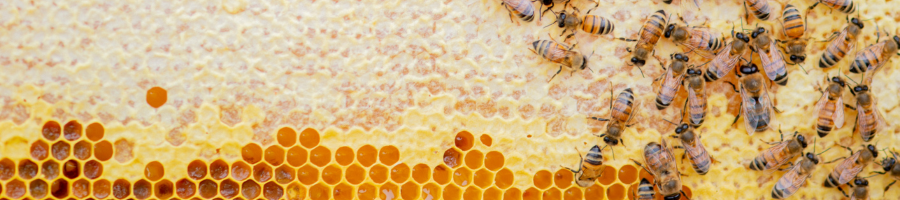
Each June, the garden community celebrates National Pollinator Week, shining a spotlight on the creatures that keep our garden beds beautiful and help supply the food we grow. Among the little creatures making our garden world go round are bees. These tiny but mighty creatures play a huge role in pollinating plants that produce the fruits, vegetables, herbs, and beautiful blooms we enjoy throughout the growing season.
For a multitude of reasons, the bee population has been declining sharply in recent years. However, we can make a difference by understanding the importance of bees in our ecosystem and by creating pollinator-friendly spaces right in our yards.
In honor of Pollinator Week, let’s take a closer look at why bees matter, the challenges they face, and how simple gardening choices can help these essential pollinators thrive.
Plant Reproduction
Bees are among the world’s most effective pollinators. It is said that three-fourths of the world’s flowering plants depend on animal pollinators to reproduce (USDA). Without these vital organisms, many of the flowers, trees, and shrubs that add beauty to our landscape would struggle to survive.
Supporting the Food Supply
Beyond gardens and landscapes, bees play a critical role in agriculture. Pollinators help produce many of the fruits, vegetables, nuts, and seeds we enjoy every day. The USDA estimates that one out of every three bites of food we eat depends on pollinators. Apples, blueberries, pumpkins, cucumbers, and almonds are just a few examples of crops that benefit from bee pollination.
Bees even support agriculture by helping farmers produce higher yields and better-quality crops. The USDA notes that “insect pollination services contribute an estimated $29 billion annually to U.S. agriculture.” Without bees, the agricultural system and the U.S. food supply would be unable to meet food demand.

Maintaining Biodiversity
By pollinating native wildflowers and other plants, bees support the food sources and habitats that birds, butterflies, and other wildlife depend on. Healthy pollinator populations contribute to greater biodiversity, creating more resilient and thriving natural environments.
Why The Bees Need Our Help
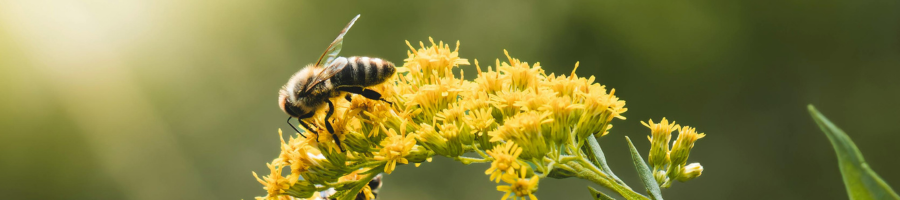
The state of Maryland is home to more than 400 species of native bees, yet many pollinator populations continue to face challenges from habitat loss, pesticide exposure, and climate change. It is estimated that over a quarter of Maryland’s native bees face serious threats of extinction due to these challenges (Natureserve.org). Protecting and creating pollinator habitat has become an important priority across the state, helping support both native bee populations and Maryland’s food production.
Habitat Loss
As natural areas are developed for housing, roads, and commercial spaces, bees lose valuable food sources and nesting habitat. The decline of native flowering plants also reduces the nectar and pollen available throughout the growing season.

Pesticide Exposure
Certain pesticides can negatively affect bees by impairing their ability to forage, navigate, and reproduce. While pesticides can be important management tools, using them responsibly and according to label directions can help reduce risks to pollinators.
The pesticides most harmful to bee populations are neonicotinoids, or “neonics,” which contain harmful ingredients such as imidacloprid, clothianidin, thiamethoxam, and dinotefuran. These chemicals are absorbed by plants and are present in pollen, nectar, leaves, and stems, which can impair bees’ navigation, foraging, learning, and reproductive abilities.
Even “low-risk” insecticides can be detrimental to bees when sprayed directly on new blooms or when bees are actively foraging. The best time to spray insecticides is after sunset, when the bees have gone home, to ensure they are completely dry by morning. Avoid spraying directly on flowers if you can help it, and target foliage specifically.
Climate and Environmental Changes
Changing weather patterns, extreme temperatures, and shifting bloom times can disrupt the relationship between plants and pollinators. When flowers bloom earlier or later than expected, bees may have difficulty finding the food resources they need to survive and reproduce.

What You Can Do
Garden with Pollinators in Mind
Creating a pollinator-friendly garden starts with making thoughtful planting and maintenance choices. Reduce pesticide use whenever possible, choose a diverse mix of flowering plants, and provide food sources throughout the growing season. Even small gardens, container plantings, and balcony gardens can offer valuable resources for honeybees and native bees.
Plant More Flowers
One of the easiest ways to support bees is by planting flowers rich in nectar and pollen. Select plants that bloom at different times throughout the year to provide a continuous food source from spring through fall. Planting flowers in groups or clusters also makes it easier for pollinators to locate them and forage efficiently.
Add Native Plants
Native plants and native bees have evolved together over thousands of years, making them especially beneficial to local pollinators. Many native species provide the pollen, nectar, and habitat that bees depend on. Plants such as asters, goldenrod, milkweed, and native sunflowers are excellent additions to a pollinator-friendly landscape in Maryland.

Provide Habitat
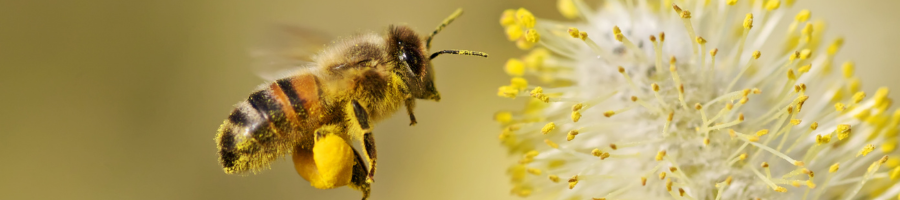
Bees need more than flowers to thrive. Many native bee species nest in the ground, while others use hollow stems, dead wood, or natural cavities. Leave some areas of bare soil undisturbed, allow perennial stems to remain standing through winter, and consider adding a shallow water source. These simple habitat features can help support pollinators year-round and encourage greater biodiversity in your garden.
Plants Bees Buzz About
Here are our recommendations for native plants by season:
Spring
Summer
Fall
Non-Native Pollinator Picks
While native plants are often the best choice for supporting local ecosystems, many non-native ornamentals can also provide valuable nectar and pollen for bees. When planted alongside native species, pollinator-friendly non-natives can help extend bloom times and provide additional food sources throughout the growing season.
A few great options to plant include:
Bee Part of the Solution
This pollinator week, take the time to reflect on your gardening habits and how you can make an impact starting in your very own garden. Whether you have a large garden or a few containers on a patio, planting pollinator-friendly flowers and creating a welcoming habitat can make a meaningful difference for honeybees and native bees alike. If you need assistance with picking pollinator-friendly plants or have questions about plant care, one of our nursery representatives would love to help.
Leave a Comment
You must be logged in to post a comment.