



Wood's Blue Aster
Aster 'Wood's Blue', Symphyotrichum 'Wood's Blue'Wood’s Blue Aster is a compact, mounding perennial that brings a profusion of light purple, daisy-like flowers to the garden from late summer through fall. The cheerful blooms feature golden-yellow centers that create a bright contrast against the dark green foliage, providing valuable late-season color when many summer perennials are beginning to fade. The flowers are also an excellent source of nectar for honey bees, butterflies, and other pollinators.
Its naturally short, spreading habit makes Wood’s Blue especially useful along the front of borders, pathways, and garden edges. The foliage forms a neat mound earlier in the season, providing attractive greenery before the plant bursts into bloom. Its compact stature also means it generally does not require staking, even when surrounded by taller fall-blooming perennials.
Wood’s Blue Aster performs best in full sun and moist, well-drained soil, but it can tolerate periods of dry conditions once established. Its spreading habit allows it to gradually fill open spaces, making it useful for mass plantings and areas where a low-growing late-season perennial is needed.
Care Instructions:
Planting: Plant in full sun in moist, well-drained soil.
Soil: Prefers fertile, well-drained soil but adapts to clay, loam, and sandy soils.
Watering: Water regularly during establishment. Once established, water during periods of prolonged drought.
Fertilizing: Apply a balanced fertilizer in early spring if needed.
Pruning: Cut plants back to the ground in late winter or early spring.
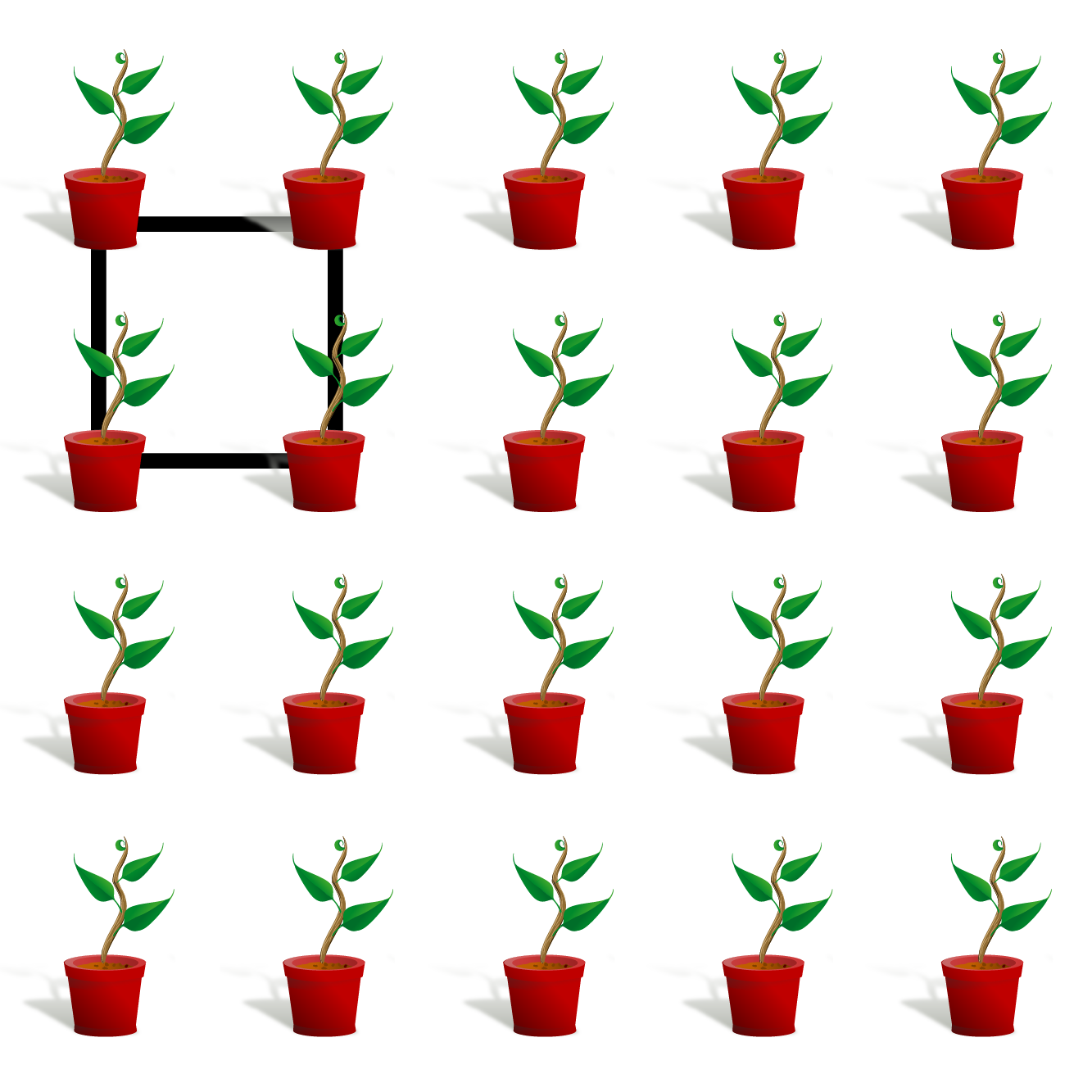
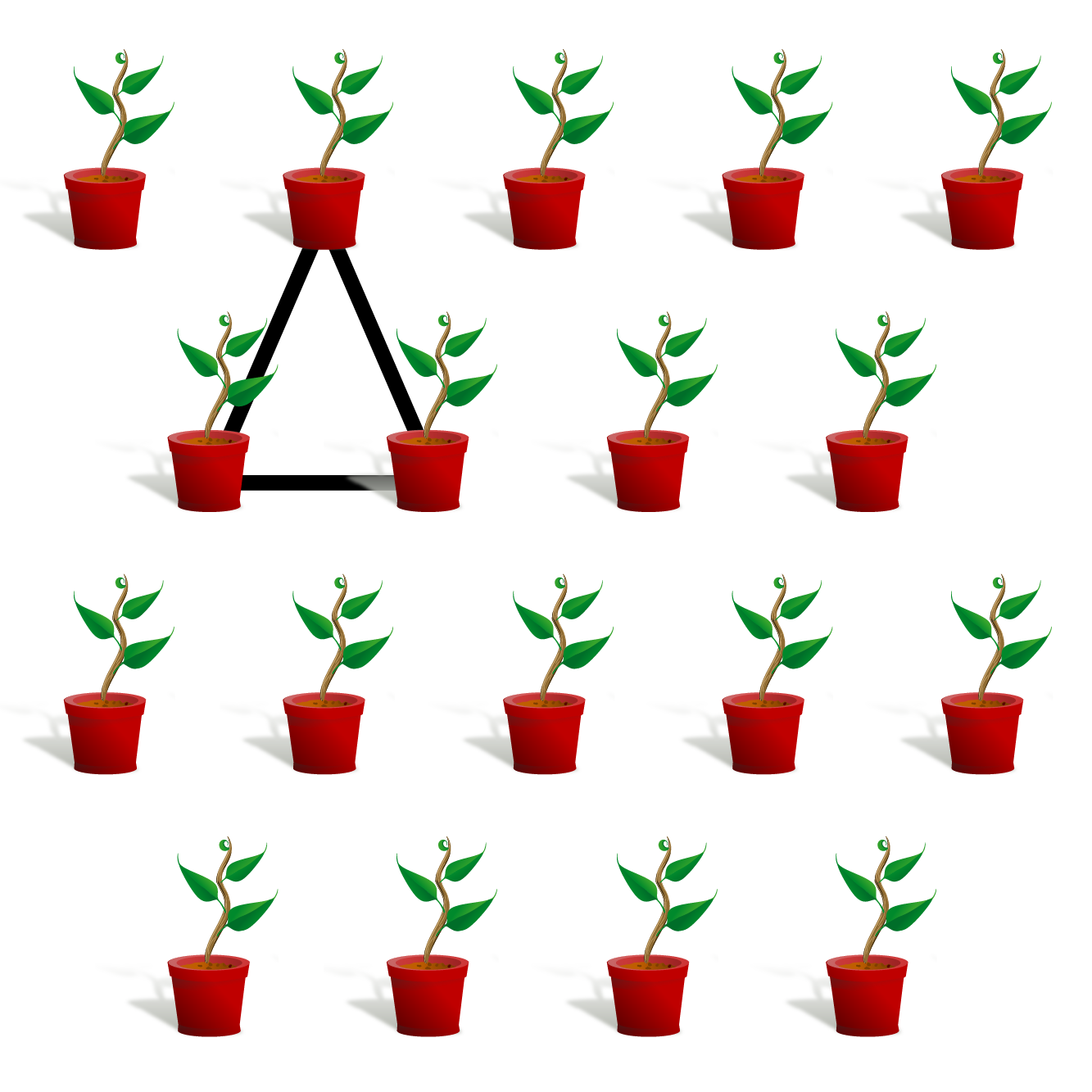
Spacing: Space plants 1–2 feet apart to allow room for spreading.
Maintenance: Divide clumps every few years in spring to maintain vigor and control spread.
With its compact form, abundant blue-purple flowers, and extended fall bloom period, Wood’s Blue Aster is an excellent choice for adding low-growing color and pollinator value to sunny gardens.
Landscape Solutions:
- Fills the front of sunny borders where taller perennials would block shorter plants.
- Spreads to fill open spaces where a low-growing groundcover-like perennial is needed.
- Attracts pollinators with abundant late-season flowers.