



Sweetgum
Liquidambar styracifluaSweetgum is a large native shade tree known for its glossy, star-shaped leaves and some of the most varied fall color of any tree in the eastern United States. Each dark green leaf measures 4–8 inches across, has five to seven pointed lobes, and is fragrant when crushed. Young trees grow quickly with a straight trunk and a pyramidal outline, becoming more rounded with age. Mature trees typically reach 60–80 feet tall and 40–60 feet wide.
In autumn the leaves turn a mix of yellow, gold, orange, red, burgundy and purple, often all on the same tree, and they hang on for weeks. Small yellow-green flowers in spring are not showy. They develop into spiky, woody seed balls 1–3 inches across that ripen dark brown and drop from December into spring. American goldfinches eat the seeds, and the leaves feed caterpillars of the imperial moth and the hickory horned devil. Corky ridges on the twigs add texture in winter.
Sweetgum grows best in full sun to partial shade in moist, well-drained, acidic soil, and it adapts to clay, loam or sand. Once established it tolerates heat, drought, compacted soil and occasional wet spells, and deer seldom browse it. In alkaline soil the leaves may yellow from iron chlorosis. Its roots are shallow and spreading, so it needs open ground well away from walks, driveways and foundations.
Care Instructions:
Planting: Plant in spring, since the fleshy roots take several months to recover from transplanting, and choose an open, sunny site with room for a 40–60 foot canopy.
Soil: Prefers moist, well-drained, slightly acidic soil; in soil above pH 7.0 new leaves may turn pale yellow from iron chlorosis.
Watering: Water deeply once a week during the first two growing seasons; established trees tolerate drought but grow fastest with steady moisture.
Fertilizing: Fertilize only when a soil test shows a need, and check the soil pH if leaves turn yellow between green veins.
Pruning: Prune in winter as needed, removing crossing or damaged branches and keeping a single central leader on young trees.
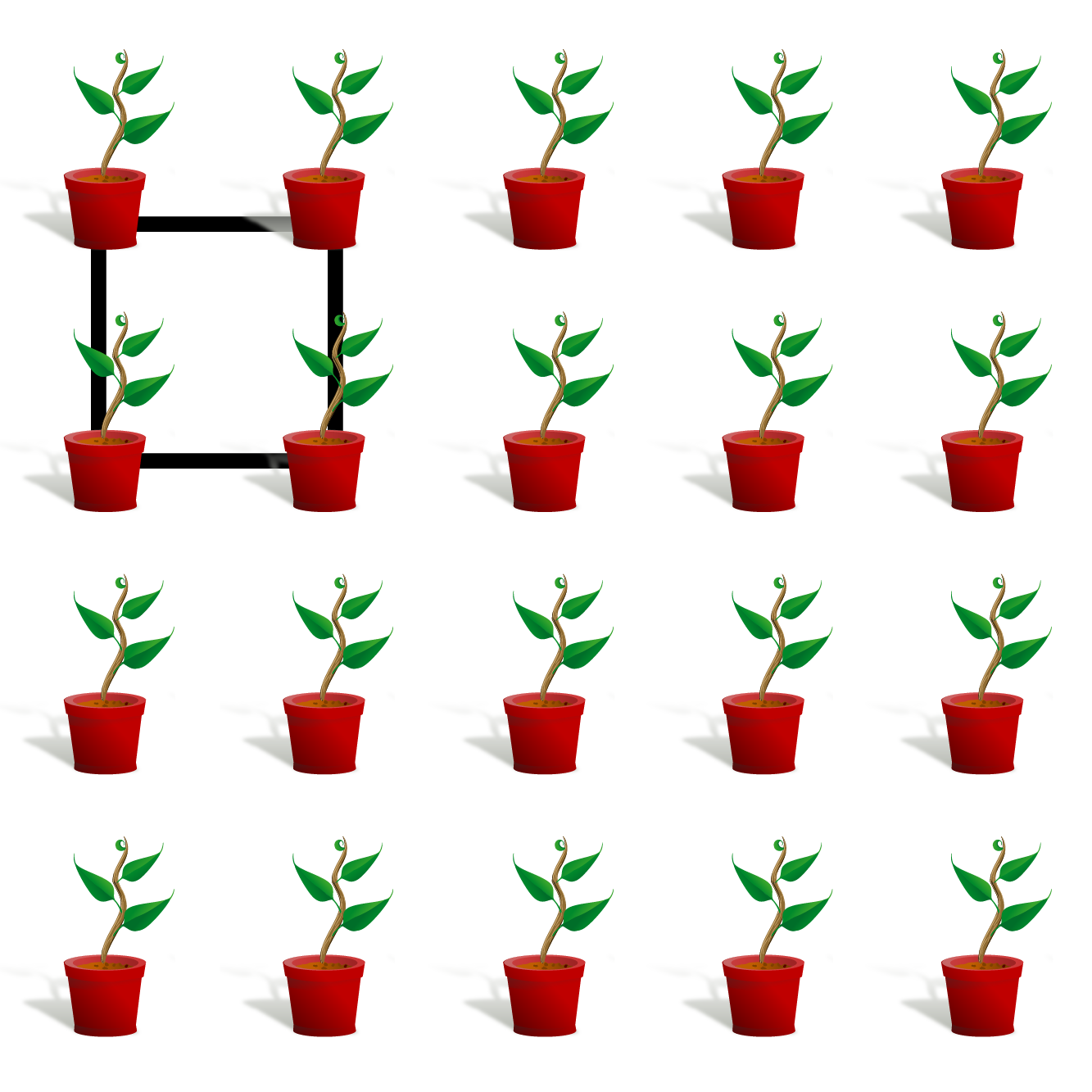
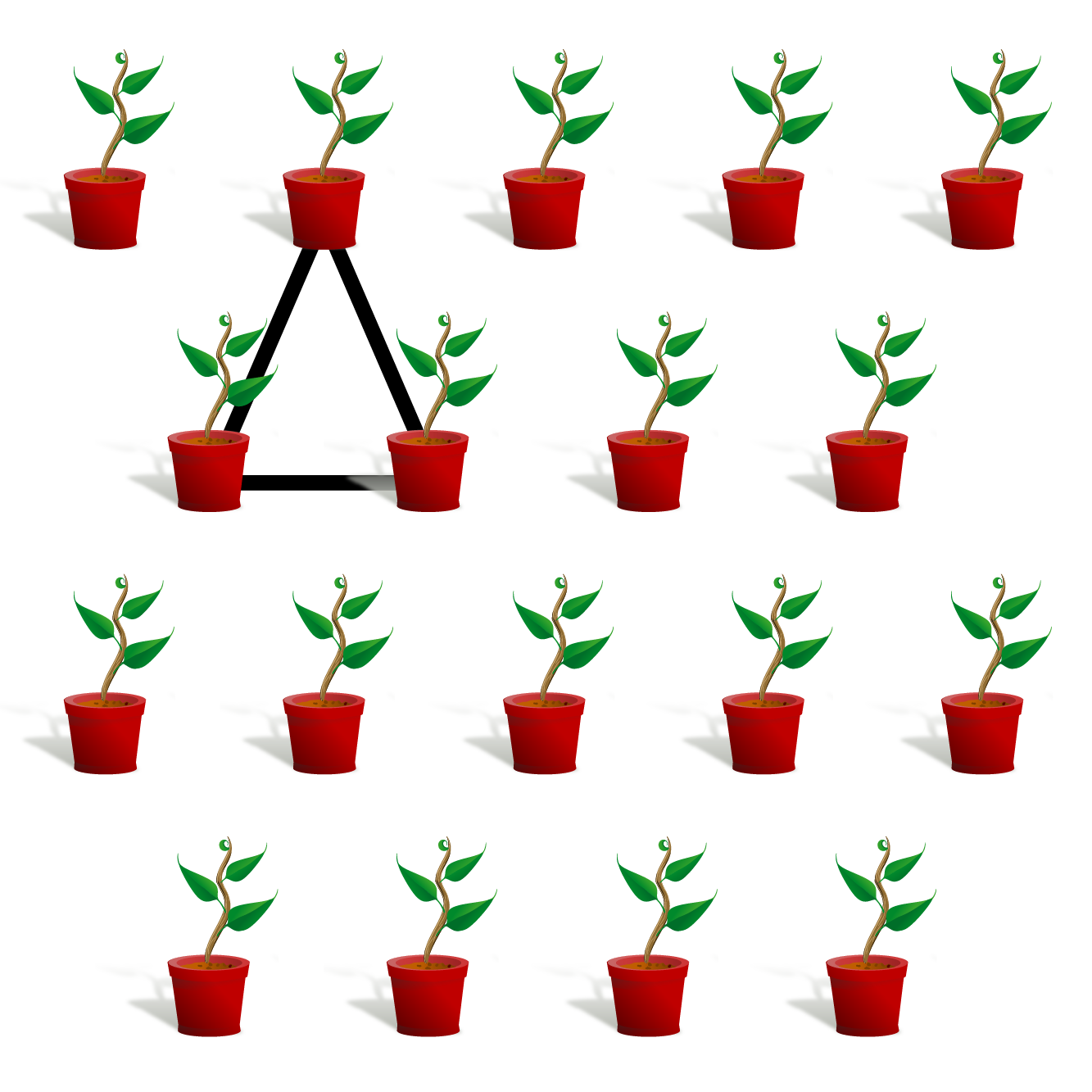
Spacing: Space trees approximately 40–60 feet apart; at the closer end of that range, neighboring canopies will meet as the trees mature.
Maintenance: Rake up fallen seed balls from walkways and lawns between December and spring, keep mulch pulled back from the trunk, and watch for scale insects and webworms.
Gardeners choose Sweetgum for quick shade and reliable fall color on a tree native to every county in Maryland. Glossy summer leaves, the multicolored autumn display and corky winter twigs give it interest well beyond one season. It performs best as a shade or specimen tree in a large lawn, park or naturalized area where the seed balls can fall onto grass or mulch rather than onto patios and paths.
Landscape Solutions:
- Rapid growth makes it a practical choice for shading a large lawn or open yard.
- Fall leaves in yellow, orange, red and purple bring several colors to the landscape from a single tree.
- Tolerance of heat, drought and compacted soil suits it to open sites where growing conditions are less than ideal.
- Seeds feed American goldfinches in winter and the leaves host large native moth caterpillars, adding wildlife value to native plantings.
- Deer seldom browse it, which makes it a dependable tree for naturalizing larger properties where deer are common.