

Seaside Goldenrod
Solidago sempervirens, Northern Seaside Goldenrod, Evergreen GoldenrodSeaside Goldenrod is a tough, upright native perennial with thick, fleshy green leaves and dense, one-sided clusters of bright yellow flowers. The blooms are carried on arching branches near the tops of tall stems, creating a bold display from late summer into fall. Its naturally clumping habit gives it a substantial presence without the aggressive rhizomatous spread associated with some goldenrods. The foliage is notably adapted to coastal conditions, with a waxy texture that helps the plant withstand salt and drying conditions.
Depending on growing conditions, Seaside Goldenrod can reach approximately 2 to 8 feet tall and 2 to 3 feet wide, with a commonly recommended planting distance of about 2 feet. Its tall flowering stems make it especially effective toward the back of beds and borders, while groups of plants create a strong late-season display. It is also particularly useful in coastal landscapes, sandy sites, and rain garden settings where other flowering perennials may struggle.
Seaside Goldenrod performs best in full sun and adapts to sandy or loamy soils with reliable drainage. It tolerates dry to moist conditions, drought, salt exposure, and occasional wet soils once established. Regular watering helps new plants establish, but mature plants are well suited to lower-maintenance sites. Avoid heavy fertilization, especially in poor sandy soil, as this species does not require rich conditions to perform well. Pinching growing tips in June can encourage a more compact habit, and old stems can be cut back before new growth begins.
Care Instructions:
Planting: Plant in full sun with adequate room for its mature size.
Soil: Sandy or loamy soil with reliable drainage.
Watering: Water regularly during establishment; established plants tolerate dry to moist conditions.
Fertilizing: Avoid heavy fertilization.
Pruning: Pinch growing tips in June for a more compact habit; cut back old stems before new growth begins.
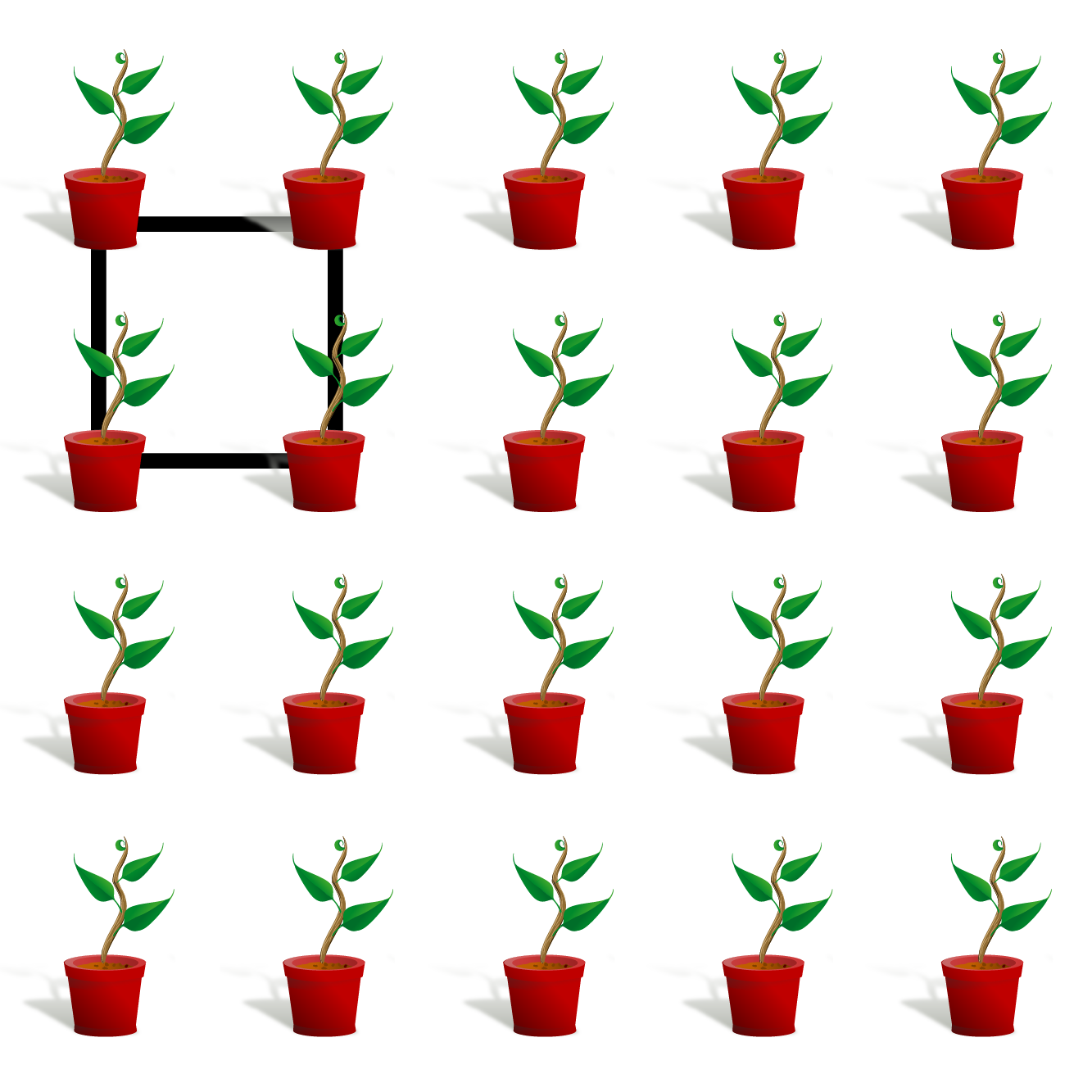
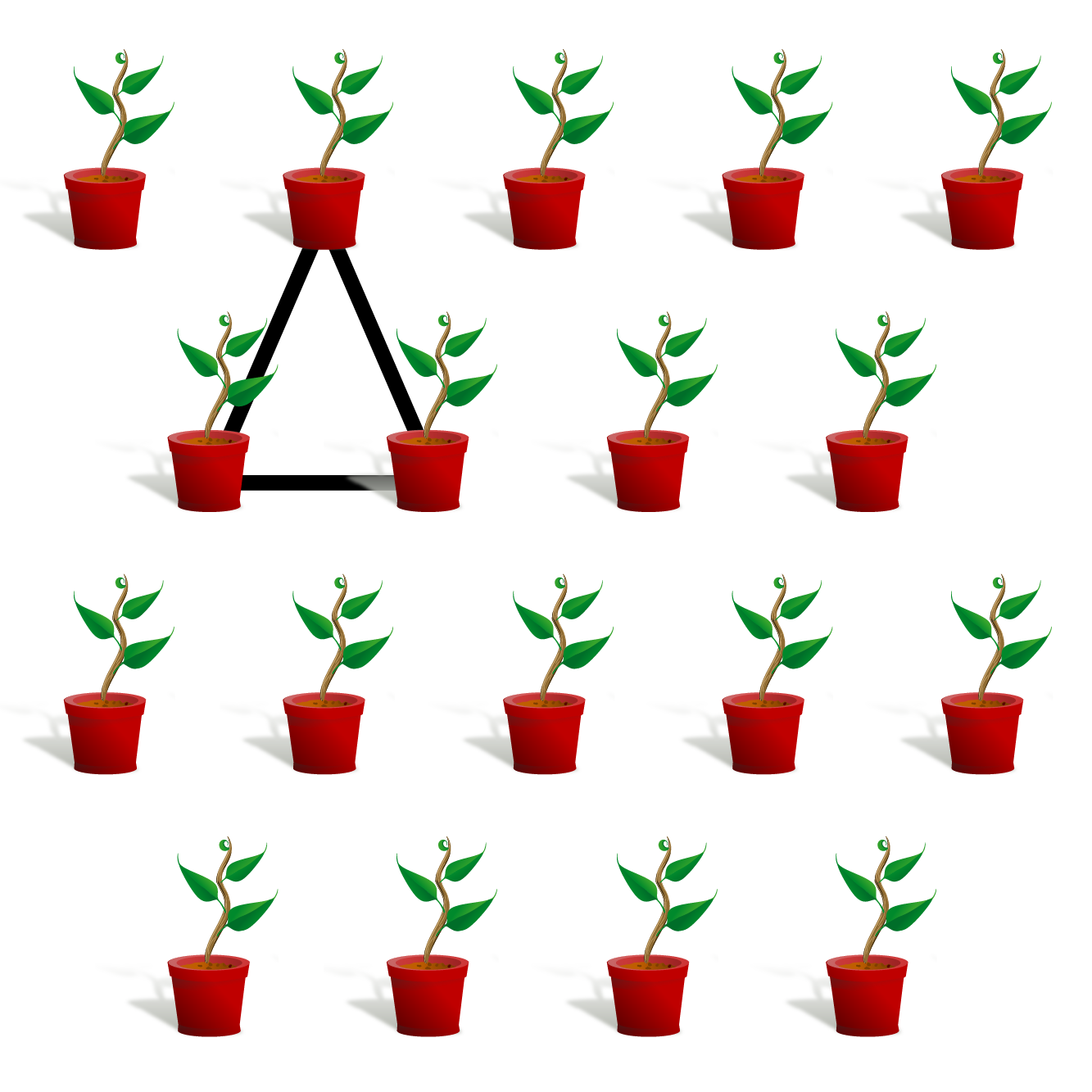
Spacing: Plant 2′ – 3′ (ft) apart.
Maintenance: Leave seed heads intact for winter interest or trim back for a clean look.
Seaside Goldenrod combines dependable late-season color with exceptional adaptability to challenging coastal conditions. Its bright yellow flowers provide nectar and pollen for Honeybees, butterflies, and other pollinators, while mature seed heads can provide food for birds. Deer resistance, drought tolerance, salt tolerance, and tolerance of occasional wet soils make it a practical choice for difficult sites as well as ornamental gardens. Whether planted in a sunny border, mass planting, rain garden, or coastal landscape, this Maryland native brings strong seasonal color and valuable wildlife support.
Landscape Solutions
- Provides a flowering option for coastal gardens exposed to salt and salt spray.
- Helps fill sandy, nutrient-poor sites where many perennials struggle.
- Works in rain gardens and areas that experience occasional wet soil.
- Supports honeybees, butterflies, other pollinators, and birds with flowers and seed.