



Scentlandia Sweetspire
Itea virginica 'SMNIVDFC'Scentlandia® Sweetspire is a compact form of Virginia sweetspire, Itea virginica, selected by Proven Winners as the most fragrant of the many sweetspires they compared. It forms a rounded, mounded shrub about 2–3 feet tall and wide, with medium green, oval leaves on slender stems that arch gently outward. Its low size suits foundation beds and perennial borders where the species, which often reaches 4–8 feet, would outgrow the space.
In early summer, upright to gently arching spikes of tiny white flowers cover the shrub and release a sweet, spicy scent. The flowers form on the previous year’s stems, and this selection has better bud hardiness than older sweetspires, so blooms are more dependable after cold winters. Bees and butterflies visit the flowers. In fall, the leaves turn red and burgundy and hold their color late into the season.
Scentlandia grows in full sun to full shade, though flowering and fall color are strongest with at least four hours of direct sun. It prefers moist soil rich in organic matter and adapts to clay and to slightly acidic or neutral soils. Like the species, it tolerates periodic flooding, so it can be planted in low spots that stay soggy after storms, yet it handles short dry spells once established. Deer generally leave it alone.
Care Instructions:
Planting: Plant in spring or early fall near a walk, patio or window where the summer fragrance can be enjoyed, in sun or shade.
Soil: Prefers moist, organically rich soil that is slightly acidic to neutral; it adapts to clay and to soil that stays wet for short periods.
Watering: Water deeply once or twice a week through the first growing season; established plants handle both wet spells and short dry periods, though bloom is best with steady moisture.
Fertilizing: Apply a slow-release shrub fertilizer in spring, with an optional second light feeding in midsummer.
Pruning: Because it blooms on old wood, shape it only right after flowering, and wait until new growth appears in spring before removing dead stems.
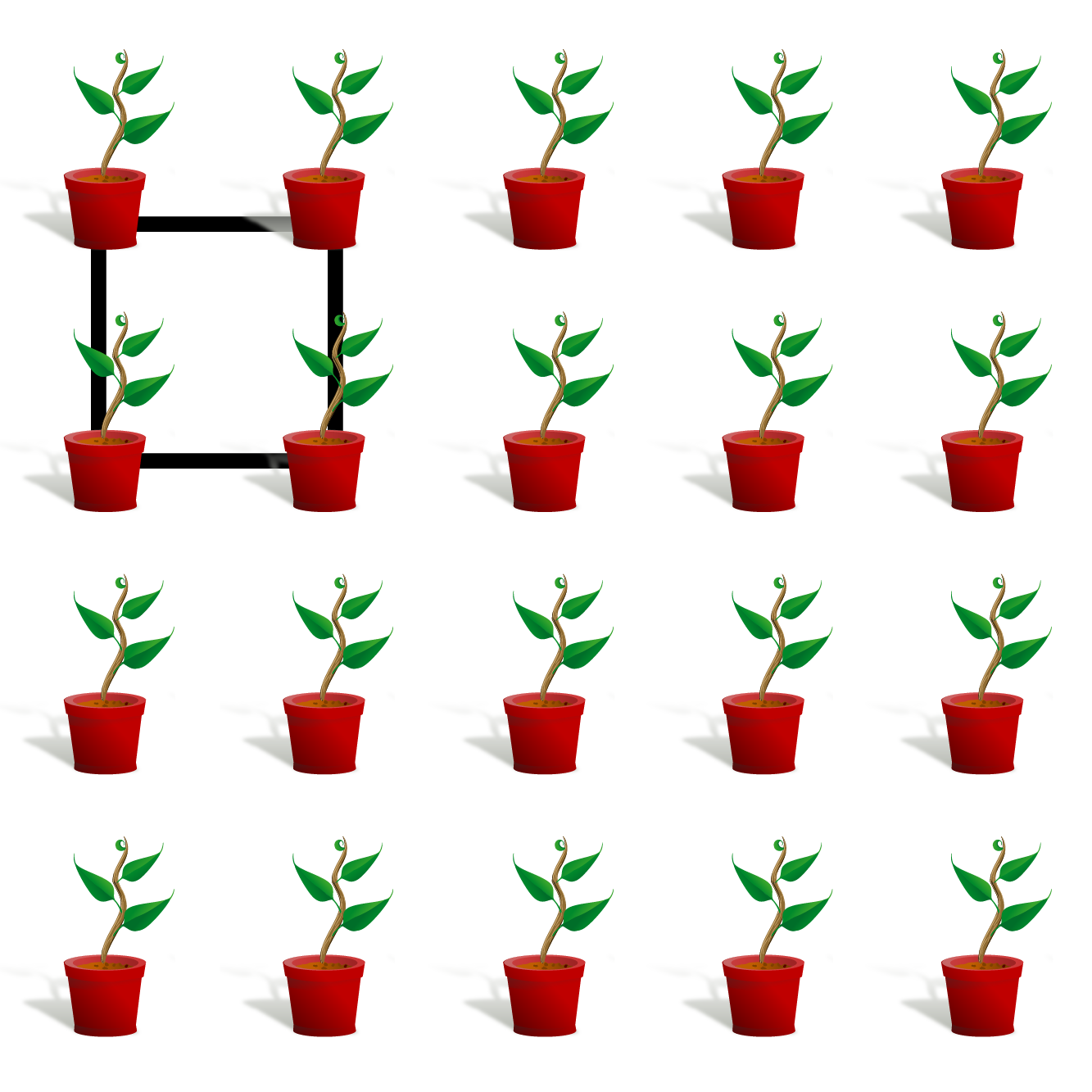
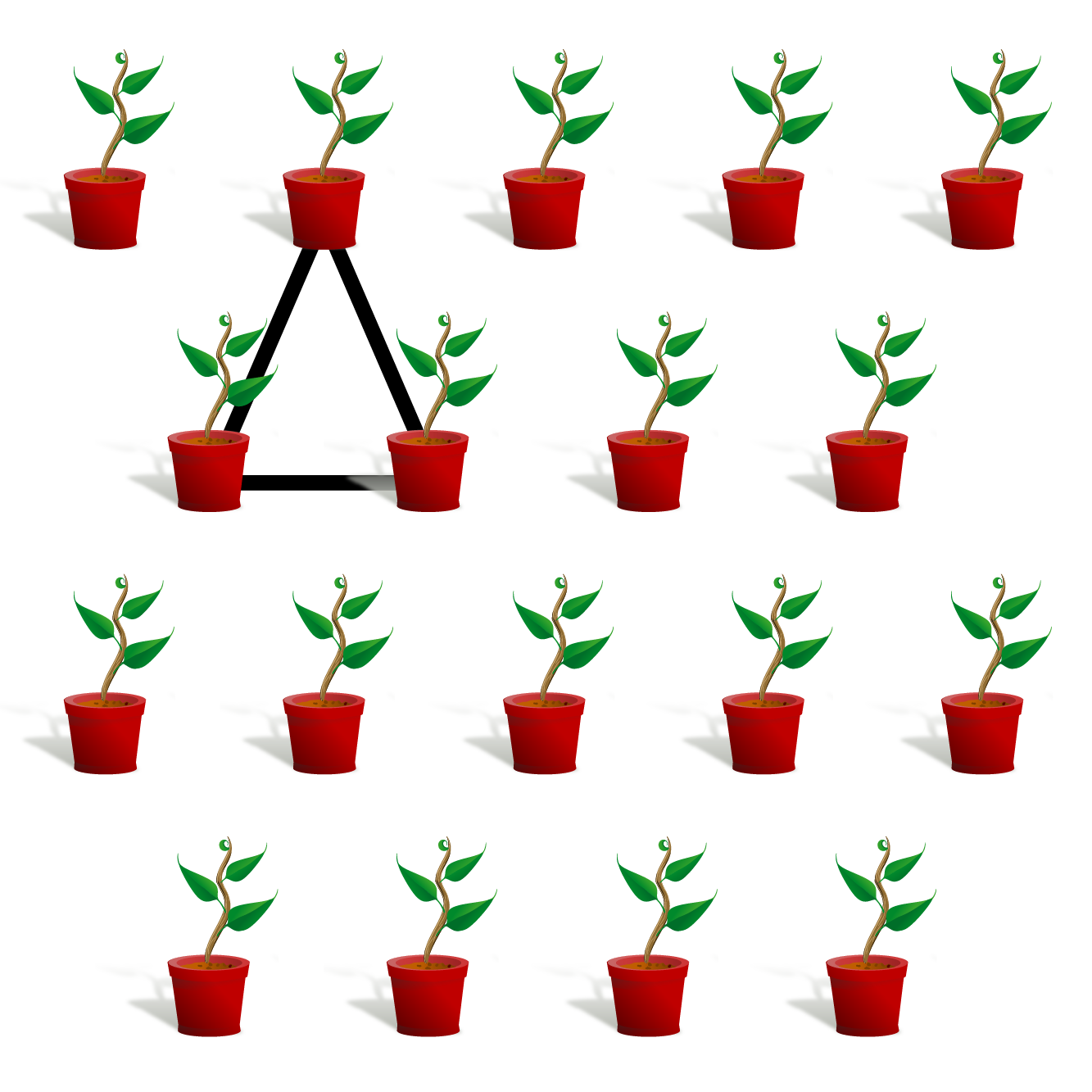
Spacing: Space plants approximately 2–3 feet apart; at the closer end, neighboring shrubs will meet and form a continuous low mass.
Maintenance: Mulch to keep the roots cool and moist, and pull or cut any root suckers that spread beyond the intended planting area.
Pollinator: No partner plant is needed; a single shrub flowers fully on its own, and it is grown for its blooms and foliage rather than fruit.
Gardeners choose Scentlandia for a native shrub that combines fragrance, summer flowers and long-lasting fall color in a size that fits small yards. It performs best in moist beds with some direct sun, yet it remains one of the few flowering shrubs that still blooms reasonably well in shade. Planted in groups along a foundation or the edge of a rain garden, it softens hard lines and carries interest from early summer into late fall.
Landscape Solutions:
- Tolerance of wet soil and periodic flooding makes it useful in rain gardens, low spots and near downspouts where many shrubs struggle.
- It flowers in shade better than most flowering shrubs, filling north-facing beds and areas under high tree canopy.
- Its compact 2–3 foot size fits foundation plantings and spaces under windows without regular shearing.
- Deer resistance helps it hold up in neighborhoods where browsing damages other shrubs.
- Spreading roots help hold soil on gentle slopes and along stream banks, reducing erosion.