



Royal Fern
Osmunda regalisRoyal Fern, Osmunda regalis, is a large native fern that forms an upright, vase-shaped clump of broad, bright green fronds. Each frond is divided into widely spaced, oblong leaflets rather than finely cut lacy segments, so the plant has an open, airy texture that sets it apart from most garden ferns. Mature clumps reach 2–5 feet tall and 2–3 feet wide, making it one of the tallest ferns for home landscapes.
In spring, new fronds unroll from fiddleheads, and some fronds carry clusters of brown, tassel-like spore cases at their tips. These clusters resemble flowers and give the plant its other common name, flowering fern, though it produces no true blooms. The foliage stays green through summer and turns gold to golden brown in fall. Dense clumps offer cover for songbirds and small mammals, and the fern suits rain gardens, pond edges, stream banks and woodland plantings.
Royal Fern grows best in partial shade or dappled light and also handles full shade. It can take more sun when its roots stay wet, which makes it useful at sunny pond margins. It prefers moist to wet, humus-rich, acidic soil and tolerates standing water, growing naturally in swamps, marshes, wet woods and along streams. Deer seldom damage it. Clumps expand slowly from short rhizomes, so care centers on keeping the soil consistently moist.
Care Instructions:
Planting: Plant in spring or early fall in a shaded or partly shaded spot where the soil stays moist, setting the crown at the same depth it grew in the pot.
Soil: Prefers acidic, humus-rich soil that stays moist to wet; work in leaf mold or compost where soil is lean or drains quickly, and avoid adding lime.
Watering: Keep the soil constantly moist and never let it dry out; plants in sunnier spots need the most water, and shallow standing water is tolerated.
Fertilizing: A spring top-dressing of compost or leaf mold supplies the organic matter this fern prefers, so additional fertilizer is seldom needed.
Pruning: Cut the dead fronds back to the ground in late fall or early spring, before the new fiddleheads begin to unroll.
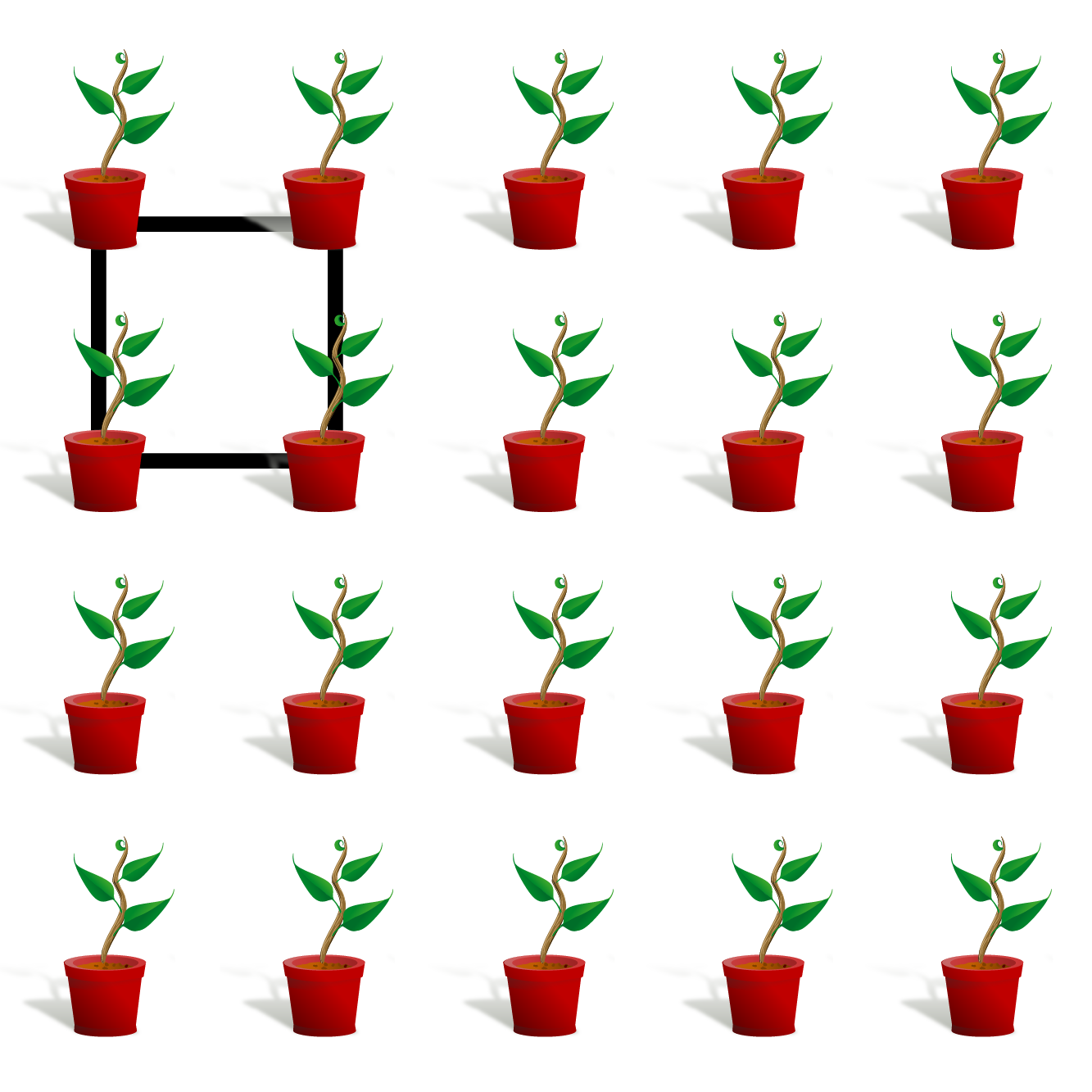
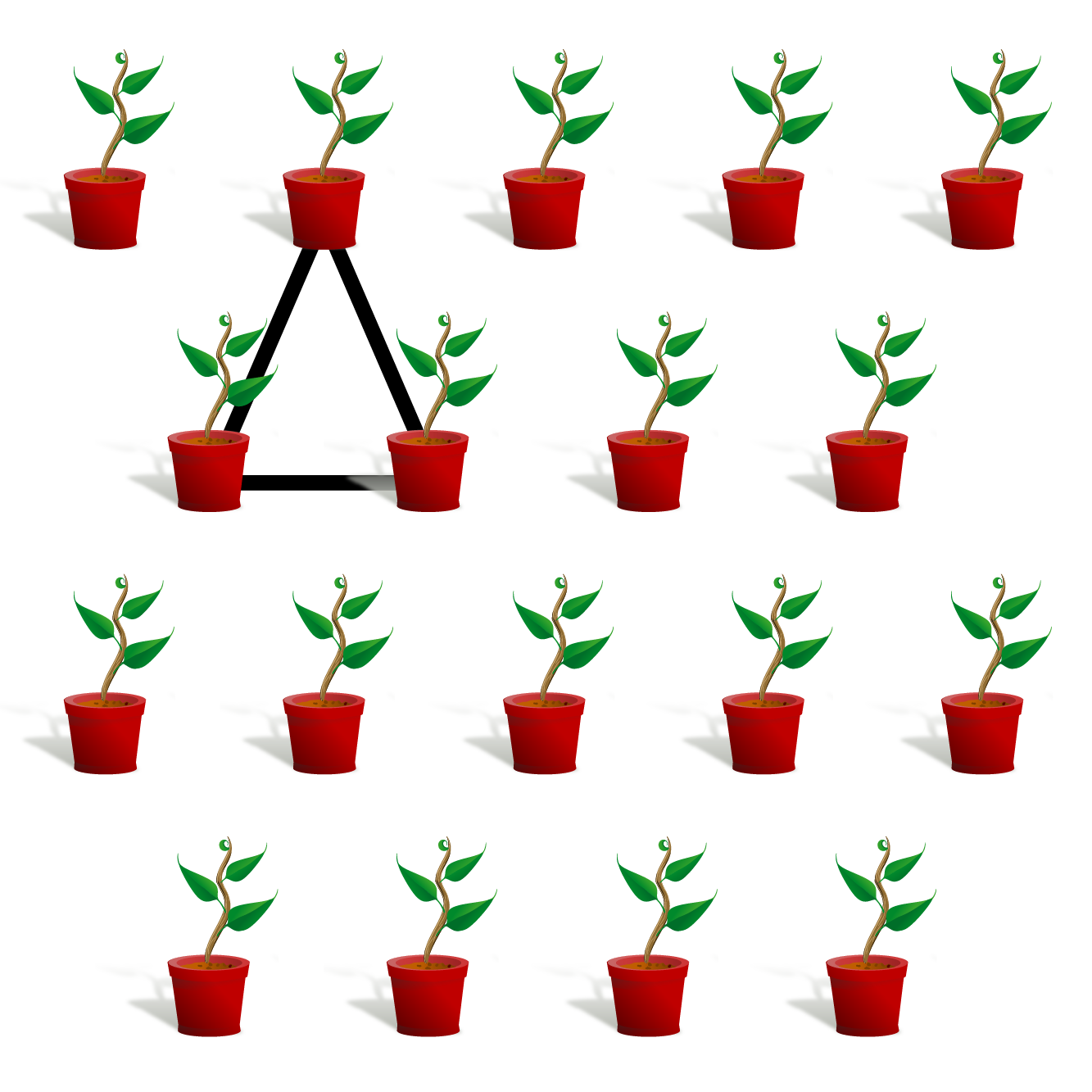
Spacing: Space plants approximately 2–3 feet apart; at the closer spacing the clumps will meet and form a continuous mass of fronds.
Maintenance: Water during dry spells, remove the old fronds once a year, and leave established clumps in place, since they spread slowly and settle in over time.
Gardeners choose Royal Fern because it thrives in the wet, shaded ground where many perennials struggle. It is native to Maryland and much of eastern North America, resists deer, and needs little attention once its moisture needs are met. It performs best along streams, ponds and rain gardens, or as a tall accent in a woodland garden, where its upright fronds add height and soft texture among lower shade plants.
Landscape Solutions:
- Tolerance of wet soil and standing water makes it a strong choice for rain gardens, pond edges and low spots that stay soggy.
- Fronds 2–5 feet tall add height and an airy texture to shaded beds and woodland gardens.
- Deer seldom damage it, so it holds up in gardens where deer browse other plants.
- As a Maryland native, it fits native plant gardens and gives cover to songbirds and small mammals.
- Gold fall foliage extends the season of interest in wet, shady areas.