



Ripple Effect Summersweet
Clethra alnifolia ‘Ripple Effect’ PP37,497Ripple Effect® Summersweet, Clethra alnifolia ‘Ripple Effect’, is a compact selection of a shrub native to the eastern United States, including Maryland. It forms a dense, mounded plant about 3–5 feet tall and 3–4 feet wide, covered in dark green leaves with finely toothed edges. Its name comes from the flower spikes: each upright spike is angled slightly differently from its neighbors, so a plant in full bloom gives the impression of gentle movement.
The slender spikes of small white flowers open in mid to late summer, when few shrubs are blooming, and their sweet fragrance carries across the garden. Bees and butterflies visit the flowers steadily, and the species also draws hummingbirds, while its seed capsules persist into winter as food for birds. In fall the leaves typically turn yellow to gold. The compact size suits foundation plantings, narrow beds, mixed borders, woodland edges and wildlife gardens.
Ripple Effect Summersweet grows best in full sun to part sun, with at least four hours of direct light a day. It prefers moist, acidic soil rich in organic matter, and unlike many flowering shrubs it handles wet, poorly drained ground and heavy clay, which makes it a practical choice for low spots and rain gardens. It also tolerates salt, and deer generally leave it alone. Steady moisture matters most, especially through hot summers.
Care Instructions:
Planting: Plant in spring or early fall in full sun to part sun, setting the root ball level with the surrounding soil; damp, low-lying spots suit it well.
Soil: Prefers moist, acidic soil rich in organic matter, and adapts to clay and to wet, poorly drained sites.
Watering: Water deeply once or twice a week through the first growing season, and keep the soil from drying out in summer heat, since dry conditions invite spider mites.
Fertilizing: Apply a granular fertilizer made for trees and shrubs in early spring as new growth begins; established plants need little more.
Pruning: Flowers form on new wood, so prune to shape in late winter or early spring before growth begins; heavy pruning is rarely needed.
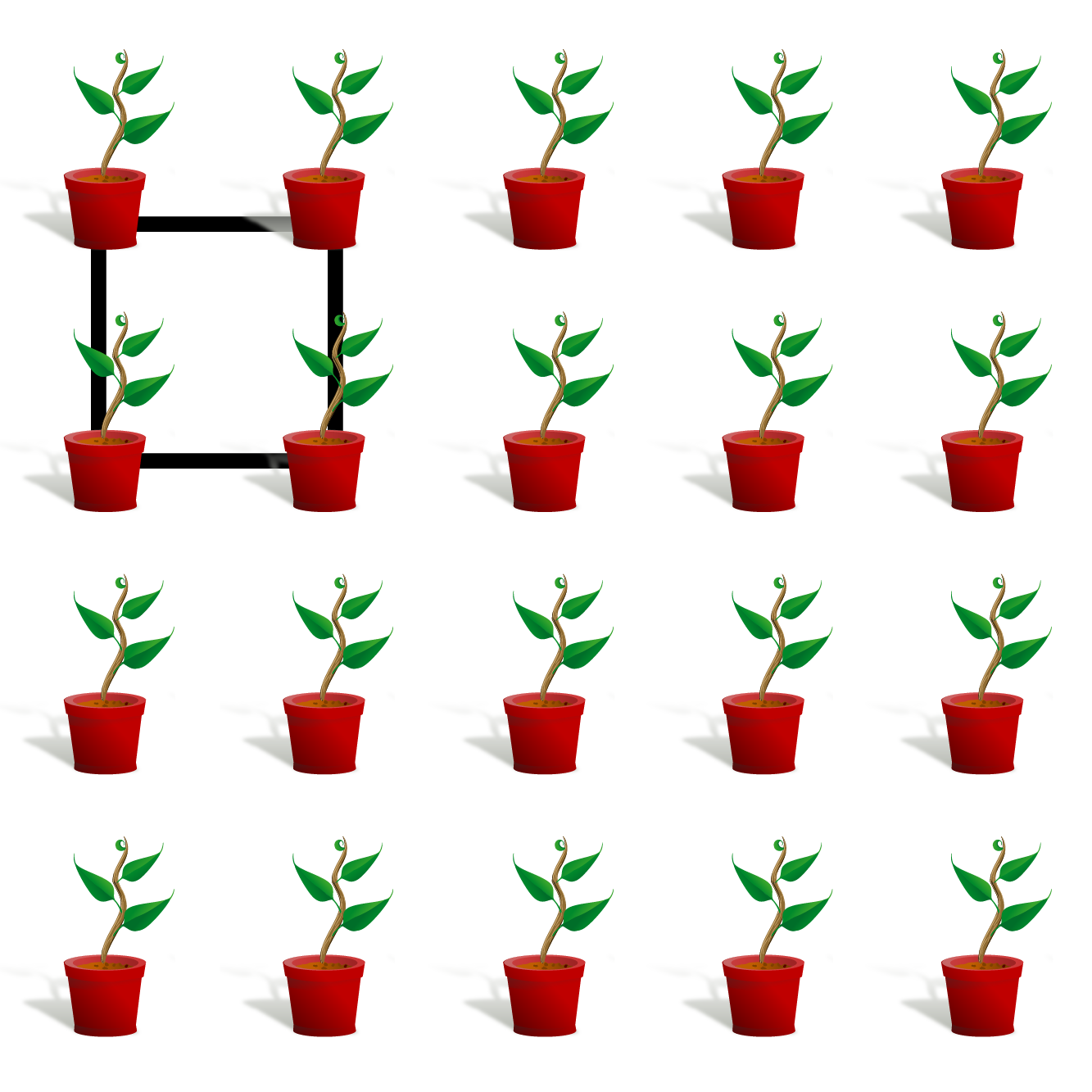
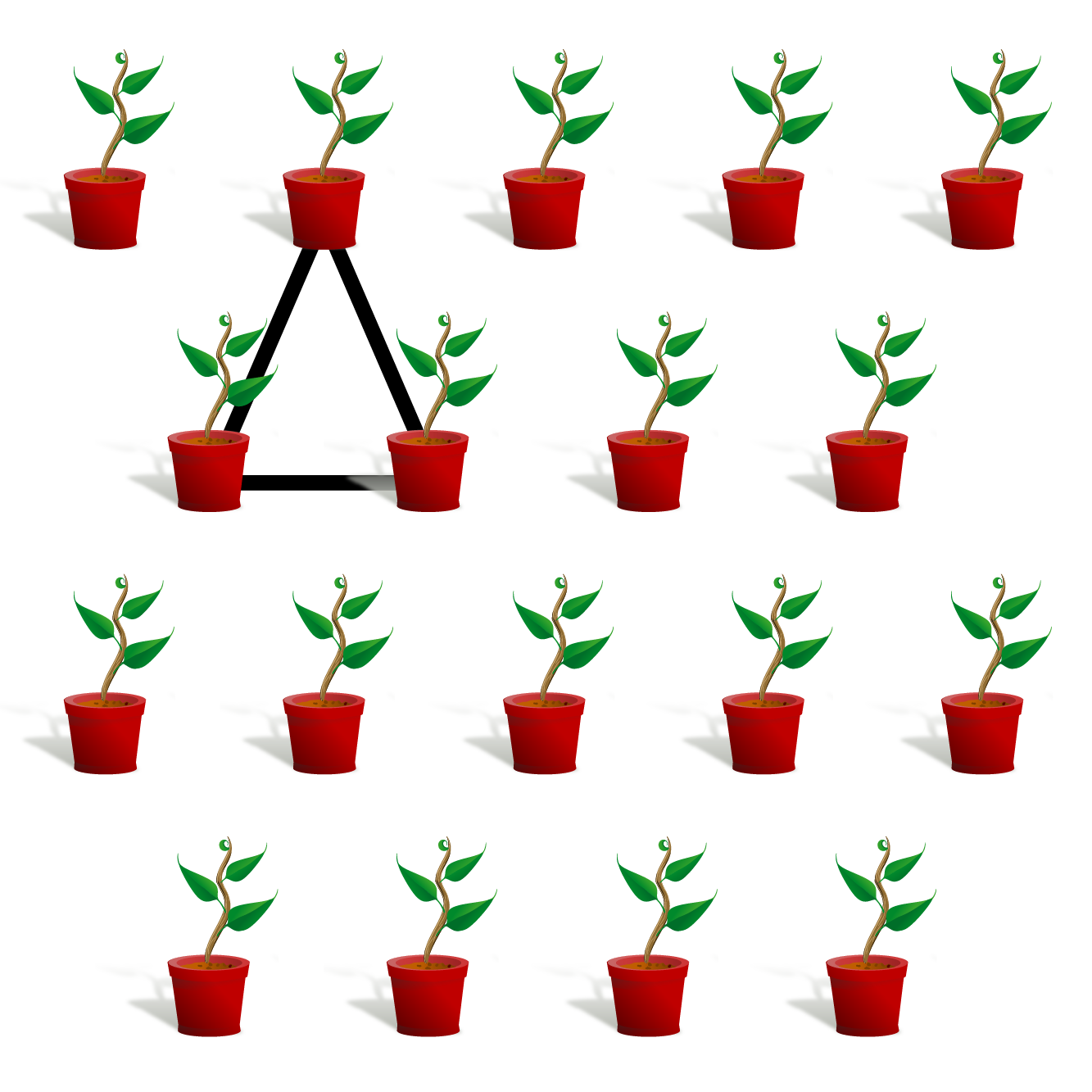
Spacing: Space plants approximately 3–4 feet apart; at the closer end, neighboring shrubs will meet and form a continuous flowering row.
Maintenance: Keep a 2–3 inch layer of mulch over the root zone to hold moisture, pull it back from the stems, and check leaf undersides for spider mites during dry spells.
Gardeners choose Ripple Effect Summersweet for summer fragrance and pollinator activity from a native shrub small enough for foundation beds. Because it tolerates soggy clay, it fills spots where many shrubs decline from wet roots. It performs best in sunny or partly sunny areas with dependable moisture, such as low corners of the yard, rain gardens, and beds near downspouts or along the edge of a pond.
Landscape Solutions:
- Tolerance of wet, poorly drained soil makes it useful in low spots, rain gardens and beds near downspouts.
- Salt tolerance suits it to plantings near driveways and walkways that receive winter road salt.
- Deer resistance helps it hold up in yards where browsing damages other flowering shrubs.
- Fragrant summer flowers feed bees and butterflies at a time when fewer shrubs are in bloom.
- Its compact 3–4 foot spread fits foundation plantings and narrow beds without frequent pruning.