


Red Tip Photinia
Photinia × fraseriRed Tip Photinia, Photinia × fraseri, is a broadleaf evergreen shrub known for the bright red new leaves that cover its branch tips each spring. The leathery, finely toothed leaves are 3–6 inches long and gradually turn a glossy dark green, so older foliage sets off each new red flush. Growth is fast, and plants form a dense oval to rounded shape about 10–15 feet tall and wide.
In mid-spring, flat clusters of small white flowers 5–6 inches across open at the branch ends. The flowers have a strong scent that many people find unpleasant, so plants are best kept away from patios and open windows. Small red fruits follow and can hang on through winter. The dense evergreen branches make an effective tall hedge, privacy screen or specimen, and the red spring growth gives an otherwise green border a burst of color.
This photinia grows best in full sun to partial sun with good air circulation, in average, well-drained soil of clay, loam or sand. It does not tolerate soil that stays wet. Established plants handle dry spells and salt spray. In colder parts of the region, a site on the south or west side of a building protects the leaves from harsh winter wind. Steady care, especially around leaf spot, keeps plants full.
Care Instructions:
Planting: Plant in spring or early fall in a sunny, open spot with good air movement, setting the top of the root ball level with the surrounding soil.
Soil: Prefers average to rich, well-drained soil and adapts to clay, loam or sand; avoid low spots where water collects.
Watering: Water deeply at the base through the first growing season and in long dry periods, keeping water off the leaves to discourage leaf spot.
Fertilizing: Feed once in spring with a slow-release shrub fertilizer, and skip summer feeding, which pushes late, disease-prone growth.
Pruning: Thin older branches in late winter to open the center; a light shearing after the first red flush brings more red leaves but removes the flowers.
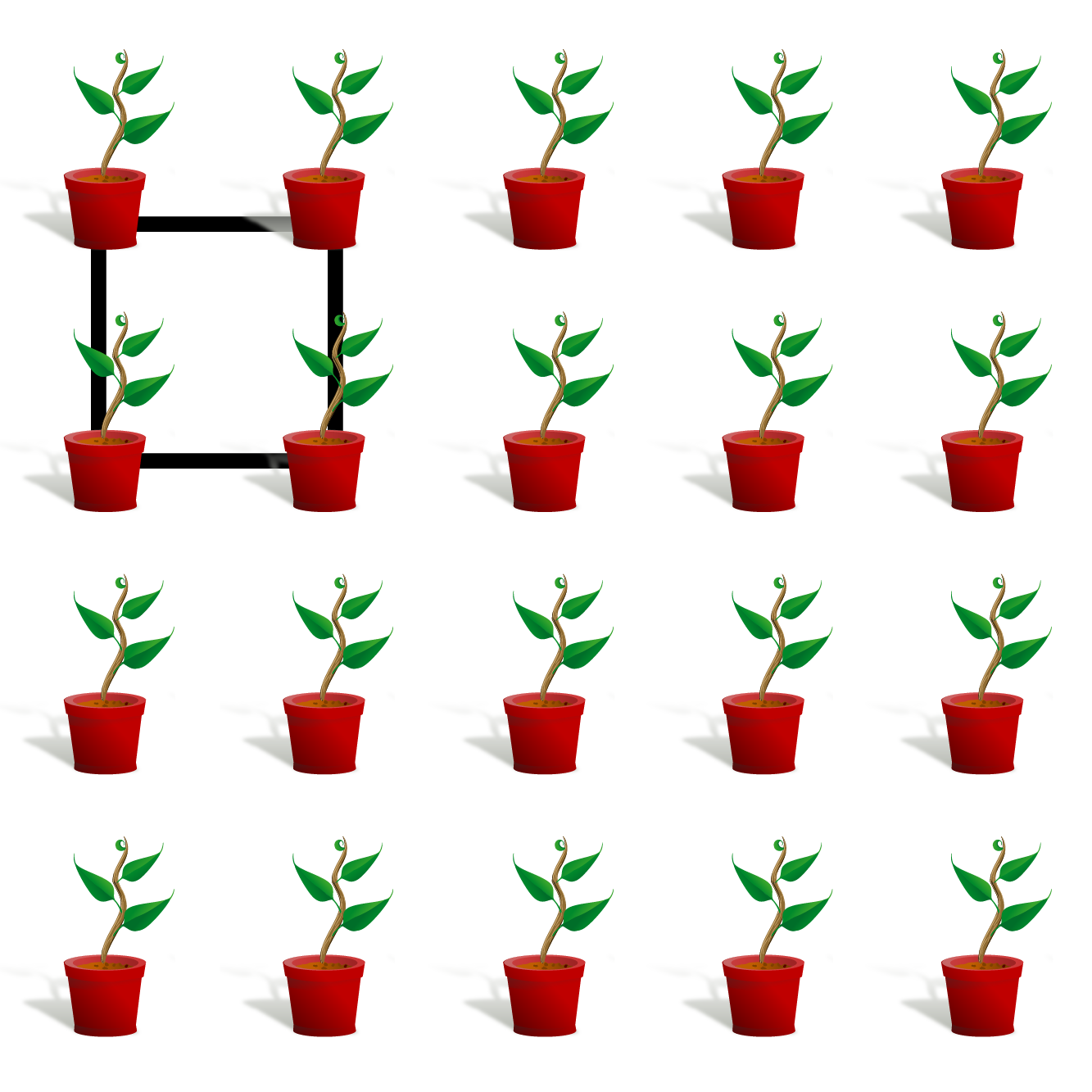
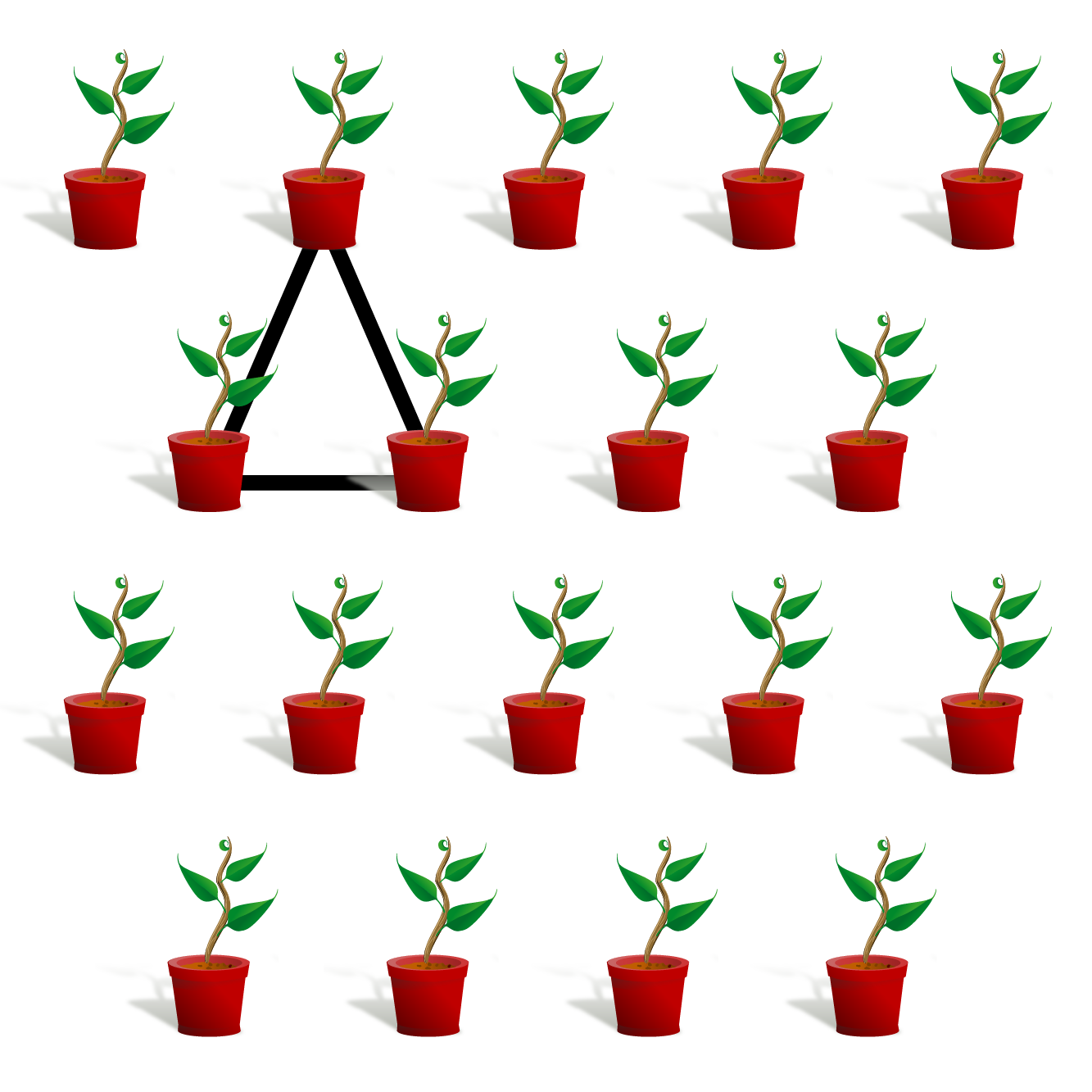
Spacing: Space plants approximately 8–12 feet apart; the branches will meet and form a continuous screen while leaving enough airflow to limit leaf spot.
Maintenance: Rake up and discard fallen spotted leaves, keep mulch over the root zone, and watch for small red leaf spots in cool, wet spring and fall weather.
Gardeners choose Red Tip Photinia for quick, year-round screening with a seasonal show of red foliage. It fills gaps along property lines faster than most broadleaf evergreens and stays green through winter. It performs best where it receives plenty of sun and moving air, mixed with other evergreens rather than planted as a long single-species row.
Landscape Solutions:
- Fast, dense evergreen growth 10–15 feet tall forms a privacy screen along property lines within a few seasons.
- Bright red spring leaves add color to an evergreen hedge without relying on flowers.
- Tolerance of salt spray and dry spells makes it useful along driveways and roads that receive winter de-icing salt.
- Mixed with other evergreen shrubs in a staggered row, it creates a varied screen that limits the spread of leaf spot.