


Raging Red Dogwood
Cornus florida ‘Ragin’ Red’ PP29,424Raging Red Dogwood, sold under the trade name Ragin’ Red™, is a selection of the native flowering dogwood, Cornus florida, chosen for some of the darkest red bracts of any dogwood. New leaves emerge bright red in spring, then mature to deep green with a reddish cast. The tree grows upright and spreads outward, developing layered, horizontal branches and warty gray bark. Mature trees reach about 20–25 feet tall and about 20 feet wide.
In mid to late spring, the branches fill with deep red, four-bracted blooms, each surrounding a small cluster of true flowers. A flush of red new growth follows the bloom. Red berries ripen in fall and are eaten by songbirds, while the leaves turn burgundy, red and purple before they drop. Bees visit the flowers, and the species is a host plant for the spring azure butterfly. It serves as a specimen or accent tree in lawns, beds and woodland edges.
Raging Red Dogwood grows best with morning sun and afternoon shade, since hot afternoon sun and reflected heat stress the leaves during Maryland summers. It needs rich, acidic soil that stays evenly moist but drains well, and its leaves may yellow in alkaline soil. Standing water, compacted ground and polluted streetside sites should be avoided. The roots are shallow, so steady moisture and a layer of mulch matter, especially through the first two summers.
Care Instructions:
Planting: Plant in spring or early fall in a spot with morning sun and afternoon shade, setting the top of the root ball level with or slightly above the surrounding soil.
Soil: Prefers rich, acidic soil with plenty of organic matter that stays moist but drains well; avoid low spots where water collects.
Watering: For the first two years, check the soil 4–6 inches down each week and water when it is dry; established trees still need water during July and August dry spells.
Fertilizing: Fertilize based on a soil test, using a product made for acid-loving trees, and topdress the root zone with compost each year.
Pruning: Prune right after flowering or in late fall to early winter, removing dead, crossing or low branches; the tree usually looks best with little pruning.
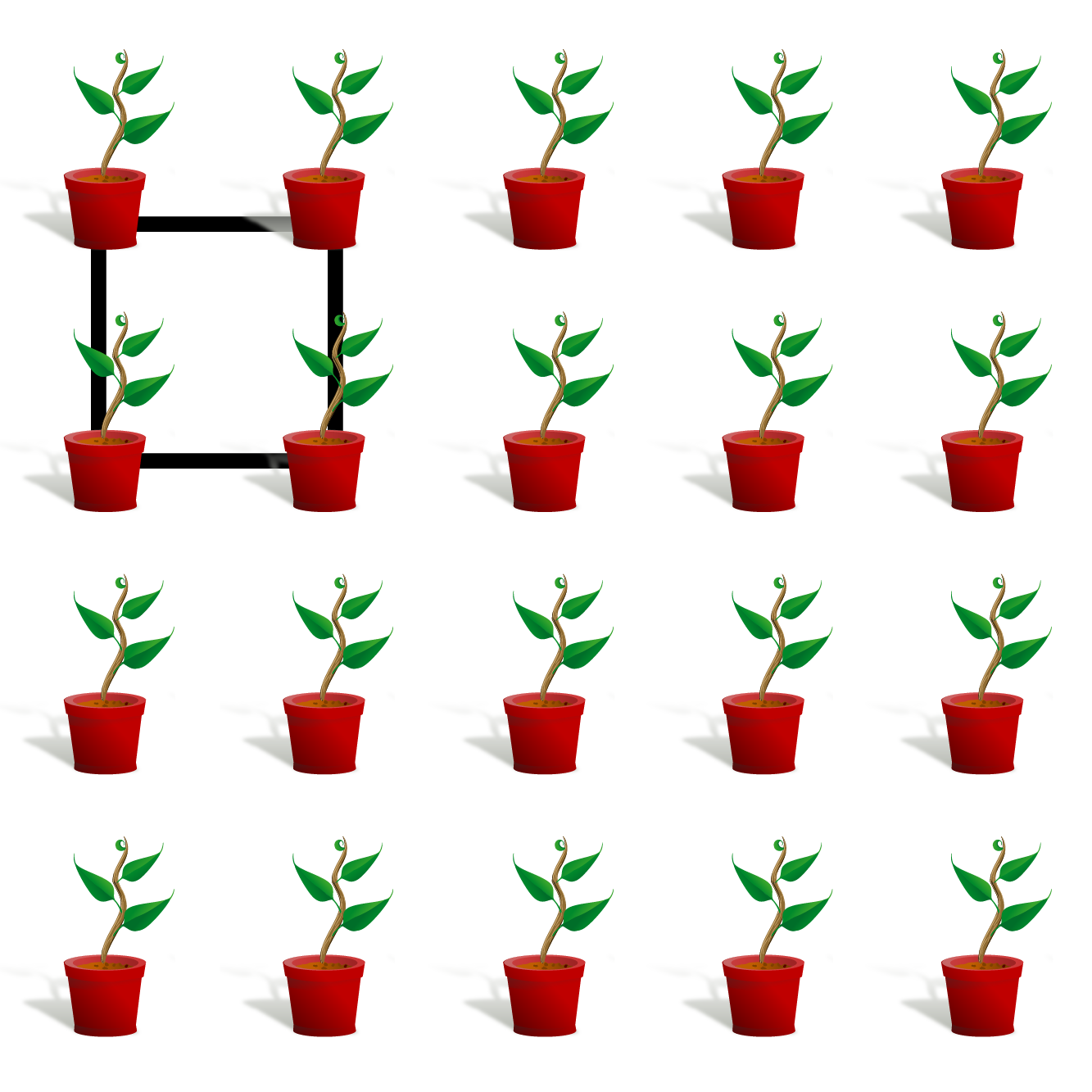
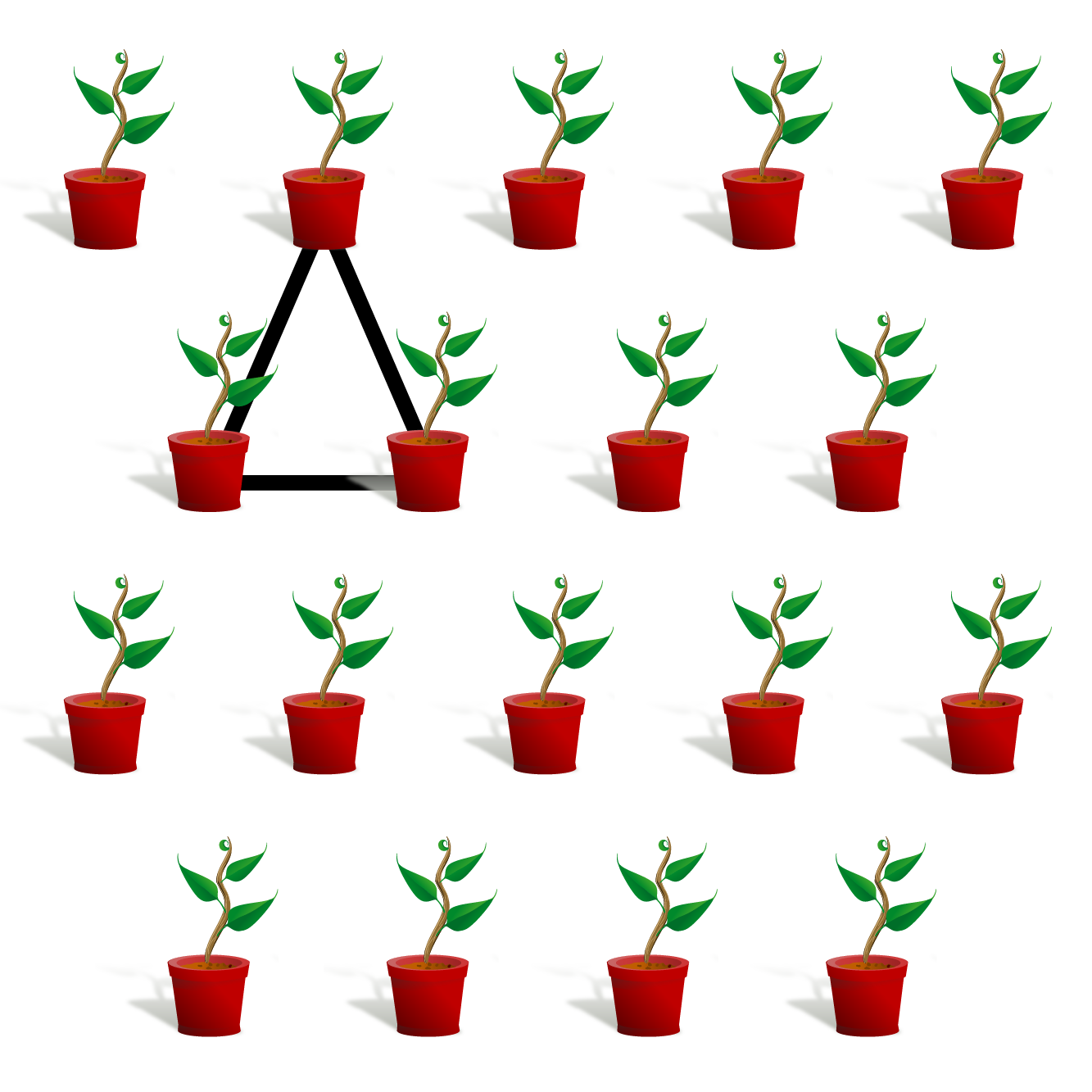
Spacing: Space trees approximately 15–20 feet apart; at the closer end the crowns will meet and form a continuous canopy, while 20 feet keeps each tree separate.
Maintenance: Keep mulch no deeper than 3 inches and pulled back from the trunk, and protect the thin bark from mowers and string trimmers, since wounds invite borers and disease.
Gardeners choose Raging Red Dogwood for flower color darker than older red dogwoods such as ‘Cherokee Brave’, along with the berries and fall color of the native species. Its size suits front yards, the edges of patios and the east side of a house. It performs best in a sheltered spot with afternoon shade and rich, moist, acidic soil, where it brings color in spring and again in fall.
Landscape Solutions:
- Deep red spring bracts and red new leaves give a stronger color accent than white or pink dogwoods in a front-yard planting.
- Red fall berries feed songbirds, making it a useful native tree for wildlife and bird gardens.
- A mature size of about 20–25 feet fits small yards and spaces near the house where a large shade tree would crowd the building.
- Its preference for afternoon shade makes it a good choice for the edge of a woodland or the east side of a house.
- Burgundy, red and purple fall leaves add a second season of color after the spring bloom.