



Queen Bee Chastetree
Vitex agnus-castus ‘Queen Bee’ PP35,259Queen Bee® Chastetree is a rounded, deciduous selection of Vitex agnus-castus grown for its long summer flower show. It matures at about 5–6 feet tall and 7–9 feet wide, forming a broad, full mound of gray-green foliage that gives off a menthol-like scent when the leaves are brushed or bruised. The breeder notes heavier flowering and a larger frame than similar chastetrees.
In mid-June, upright spikes of lavender flowers rise above the leaves across the whole shrub. After the first flush it reblooms through the rest of summer, and trimming off faded spikes encourages a fresh round of flowers about six weeks later. The fragrant blooms draw bees and butterflies, and the stems work well as cut flowers. Use it as a flowering hedge, a summer focal point in a sunny border, or a backdrop for perennials.
Queen Bee needs full sun, at least six hours a day, for the heaviest bloom. It adapts to clay, loam or sand across a wide pH range if water drains away, since soggy ground causes root rot. Established plants handle heat, drought and moderate salt, and deer seldom browse the aromatic leaves. In hard Zone 6 winters the stems may die back, but plants regrow from the roots and still bloom that summer on new growth. A few simple steps keep it in shape.
Care Instructions:
Planting: Plant in spring or early fall in a full-sun spot with good drainage, setting the top of the root ball level with the surrounding soil.
Soil: Grows in clay, loam or sand from acidic to alkaline, but the soil must drain well; avoid low spots where water stands after rain.
Watering: Water deeply once or twice a week through the first growing season; established shrubs need extra water only during long dry spells.
Fertilizing: Apply a balanced fertilizer in early spring as new growth begins, following label directions.
Pruning: Flowers form on new wood, so prune for shape in early spring before growth starts; if stems died back over winter, cut them to 6–12 inches above the ground.
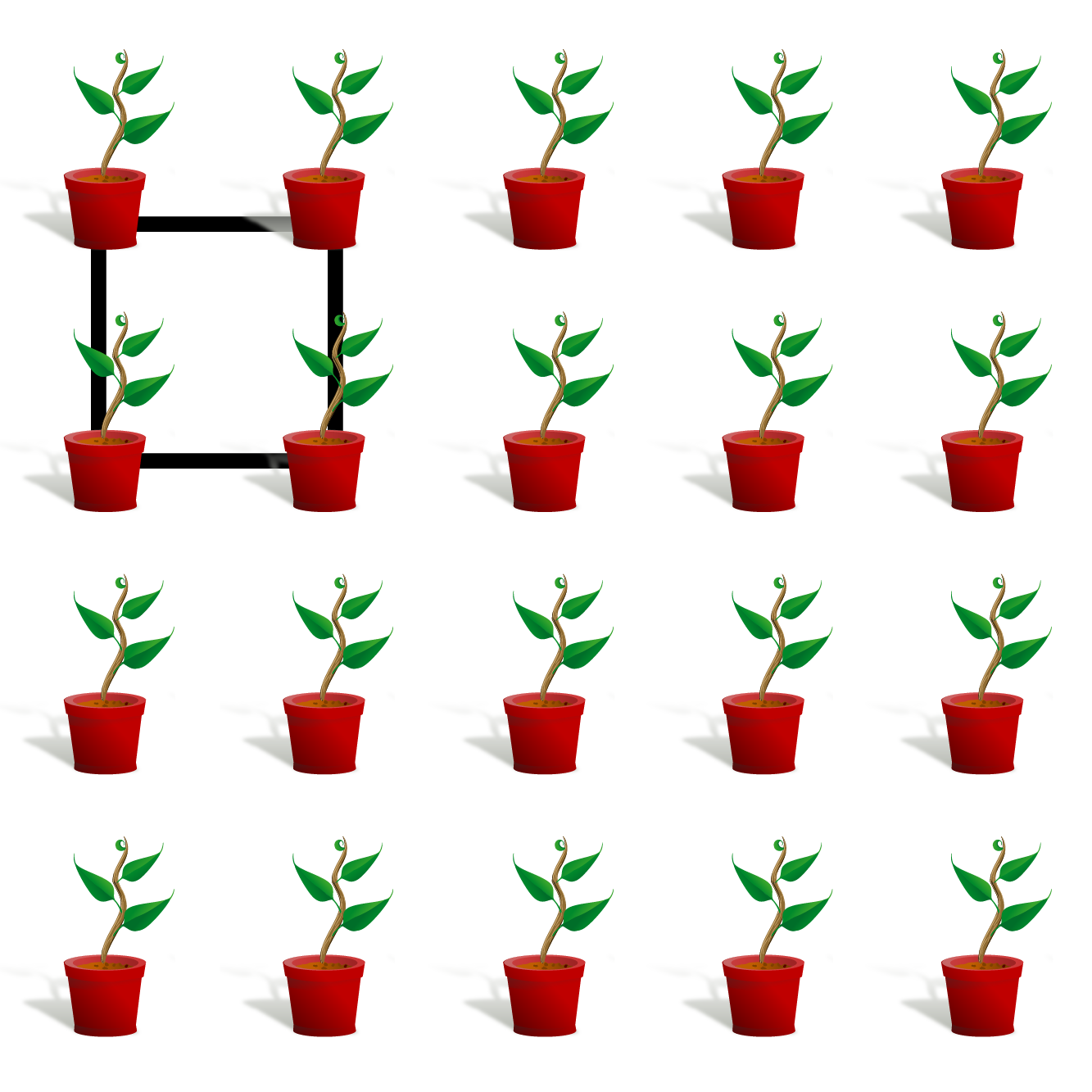
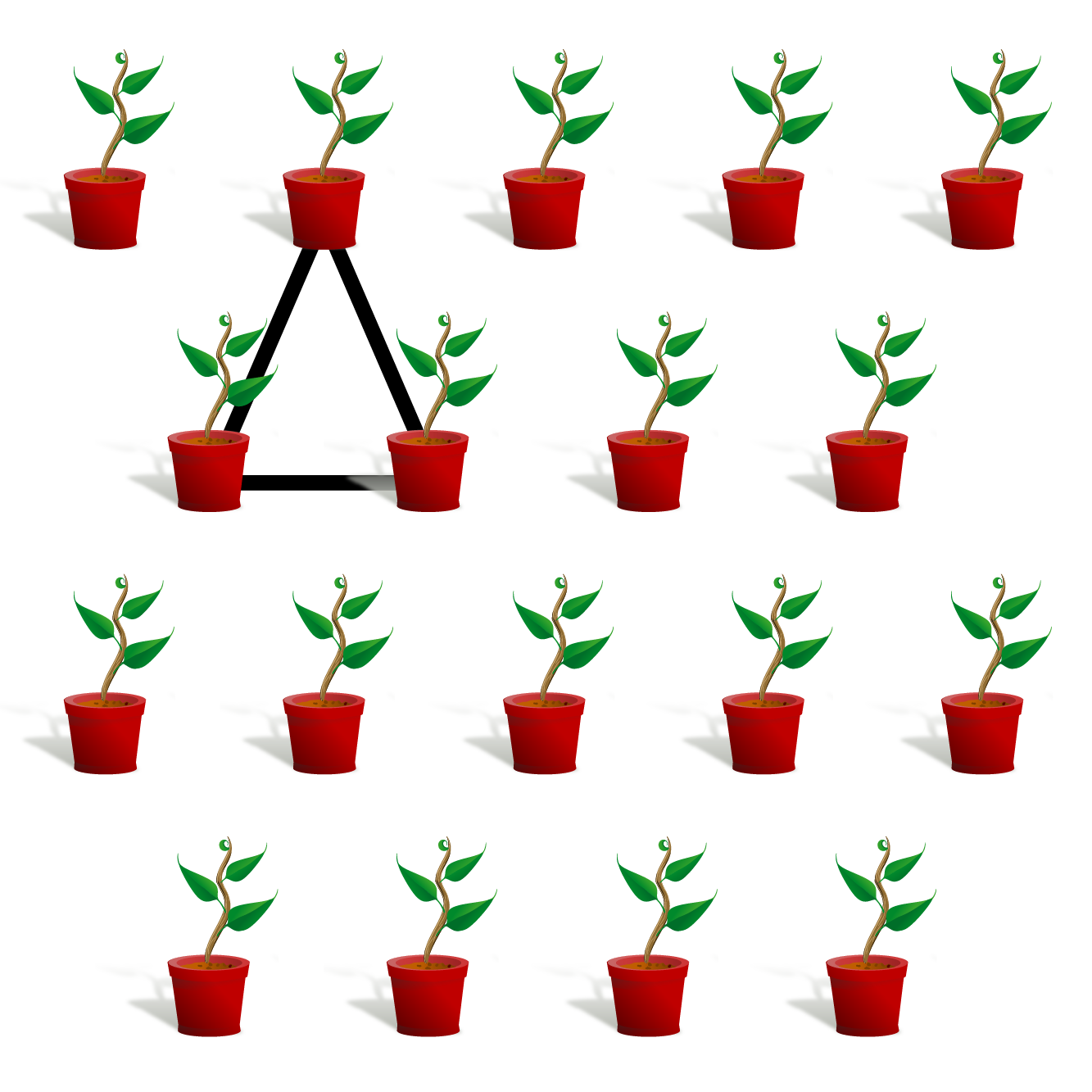
Spacing: Space plants approximately 6–8 feet apart; because this is less than the 7–9 foot mature spread, neighboring shrubs will meet and form a continuous hedge.
Maintenance: Remove faded flower spikes after the first bloom to encourage repeat flowering, and pull any seedlings that come up nearby.
Gardeners choose Queen Bee for dependable color during the hot months, when most spring-flowering shrubs have finished. Its drought and heat tolerance make it practical for exposed, sunny sites that are hard to keep watered, and its steady supply of nectar supports pollinators for weeks. It performs best in an open, well-drained spot with room to spread, whether as a single specimen or in a row that forms an informal flowering screen.
Landscape Solutions:
- Drought and heat tolerance suit it to hot, sunny beds along driveways and walls where regular watering is difficult.
- Its 7–9 foot spread fills a sunny property line as an informal hedge that flowers through summer.
- Deer seldom browse the aromatic foliage, so it holds up where deer damage other flowering shrubs.
- Repeat bloom from June through summer feeds bees and butterflies after most spring shrubs are done flowering.
- Moderate salt tolerance makes it useful near roads and walkways that receive winter de-icing salt.