


Powell's Peach Dogwood
Cornus florida ‘Powell’s Peach’Powell’s Peach Dogwood is a selection of the native flowering dogwood, Cornus florida, grown for spring bracts in a soft peach to peachy-pink shade rather than the usual white. It forms a small, rounded tree with oval green leaves that stay fresh through summer and turn red to burgundy-purple in fall. At maturity it typically reaches about 15–25 feet tall and a similar width, a scale that suits most home landscapes.
The colorful “petals” are actually four bracts surrounding a cluster of tiny true flowers, and they open in mid to late spring. Bees, butterflies and other insects visit the blooms, and the tree serves as a host for spring azure butterfly larvae. Clusters of glossy red berries ripen in late summer and fall, feeding songbirds and other wildlife. It works well as a specimen near an entry, patio or deck, or along a woodland edge.
Like the species, Powell’s Peach Dogwood grows best in partial shade, ideally with morning sun and protection from hot afternoon sun. It prefers moist, well-drained, acidic soil rich in organic matter and does poorly where water collects. Its roots are shallow, so a layer of mulch and steady watering during dry spells keep the tree healthy. A vigorous, unstressed tree is also better able to cope with leaf diseases such as powdery mildew and spot anthracnose.
Care Instructions:
Planting: Plant in spring or early fall in a site with morning sun and afternoon shade, setting the root flare at or slightly above the surrounding soil.
Soil: Prefers moist, well-drained, acidic soil rich in organic matter, ideally with a pH of about 5.6–6.5; avoid low spots where water stands.
Watering: Check soil moisture weekly for the first two years and water deeply when the top 4–6 inches are dry; the shallow roots may need extra water in July and August.
Fertilizing: Fertilize only when a soil test shows a need, and topdress the root zone with compost each year to build organic matter.
Pruning: Prune immediately after flowering or in November–December, and remove dead branches at any time of year.
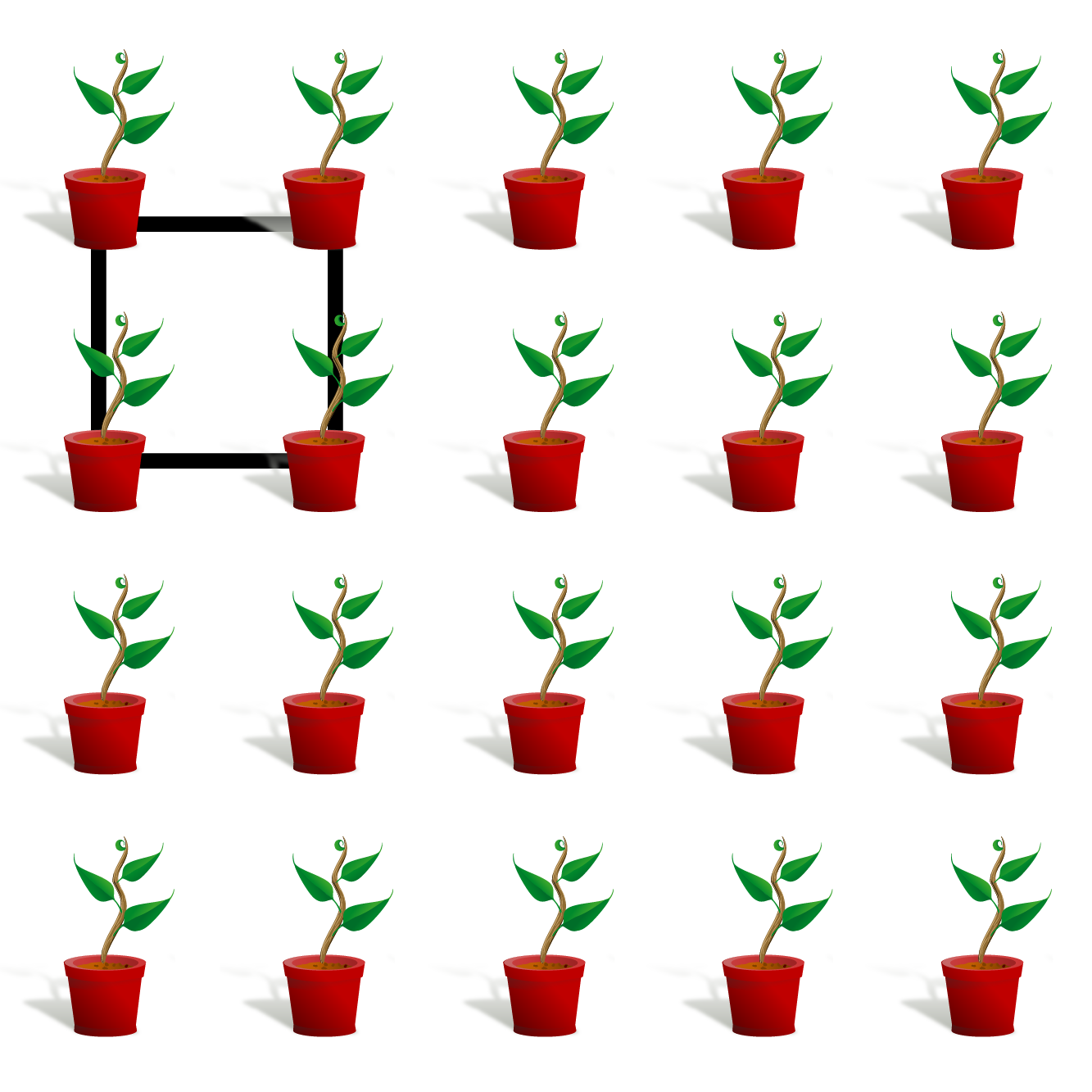
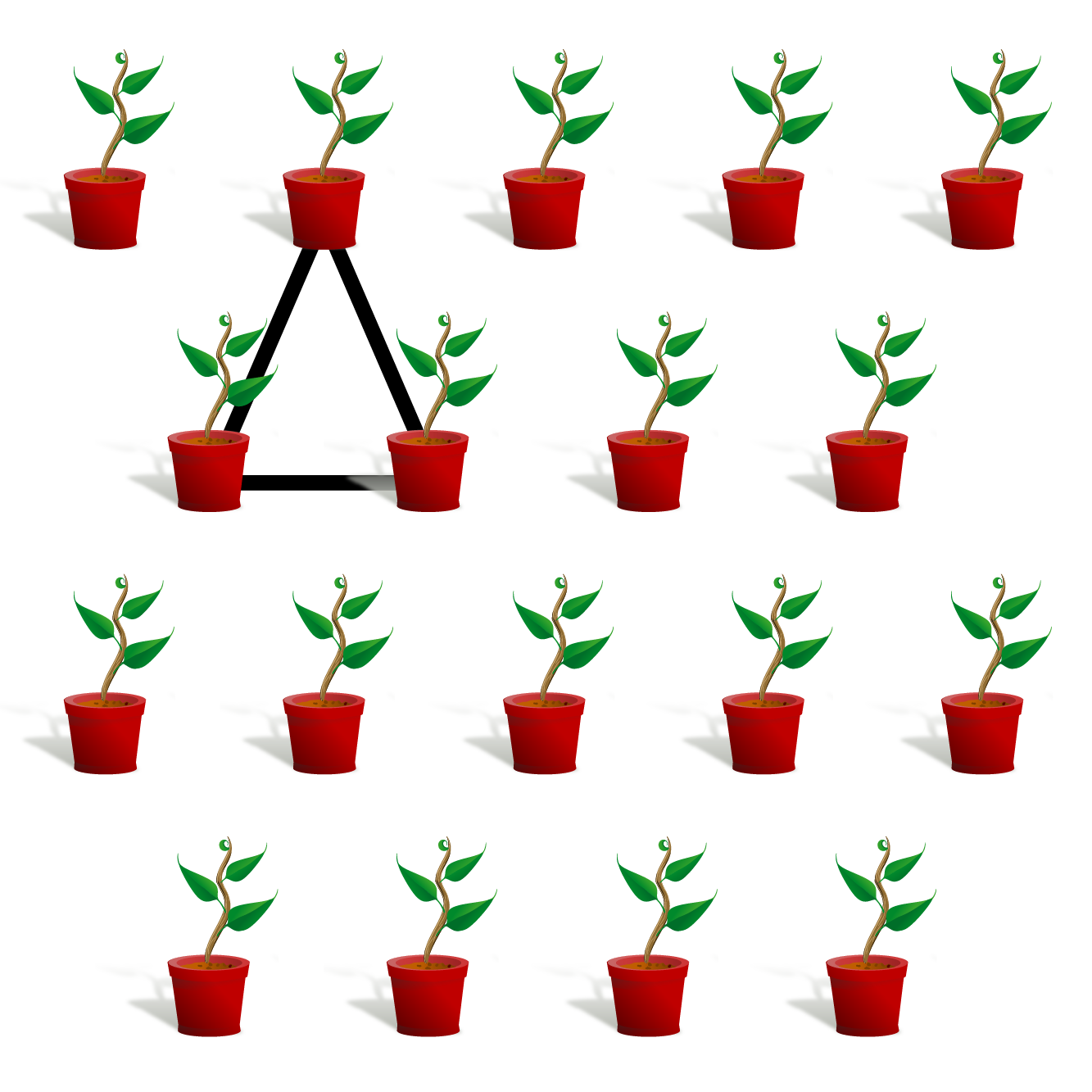
Spacing: Space trees approximately 15–20 feet apart; because this is at or below the mature spread, neighboring canopies will meet and form a continuous layer.
Maintenance: Keep about 3 inches of mulch over the root zone but pulled back from the trunk, protect the bark from mowers and string trimmers, and water during droughts to reduce stress.
Gardeners choose Powell’s Peach Dogwood for an uncommon flower color on a familiar, regionally native tree. It offers three distinct seasons of interest: peach spring bracts, red fall foliage and bright berries that bring birds into the garden. It performs best as a specimen in a lightly shaded yard, at the edge of a wooded area, or near a patio where the spring bracts can be seen up close.
Landscape Solutions:
- Peach spring bracts offer a different color from the white and pink dogwoods common in Mid-Atlantic yards.
- Its 15–25 foot mature size makes it a fitting specimen near entries, patios and decks without overwhelming a small lot.
- As a natural understory tree, it fills the space at woodland edges and beneath taller shade trees.
- Red fall berries feed migrating and resident songbirds, adding wildlife value to native plantings.
- Red to burgundy-purple fall foliage extends the season of interest well beyond the spring bloom.