



Pinxterbloom Azalea
Rhododendron periclymenoidesPinxterbloom Azalea is a deciduous azalea that grows wild in moist woods and along swamp margins from Massachusetts south to South Carolina and Tennessee, including Maryland. Rhododendron periclymenoides forms a dense, multi-stemmed shrub that spreads slowly by suckers, usually reaching 3–6 feet tall and 4–7 feet wide, and occasionally taller with age. Its oblong green leaves fill in just after the flowers fade and turn dull gold to yellow in fall.
In mid to late spring, rounded clusters of pale pink to white, funnel-shaped flowers open on bare branches before the leaves appear. Each bloom is about 1–1½ inches across, with long, curving pink stamens that reach well past the petals, and the flowers carry a light, sweet fragrance. Hummingbirds, swallowtail butterflies and bumble bees visit for nectar early in the season. It works in groups at a woodland edge, as an informal hedge, or as a specimen in a native or pollinator garden.
Pinxterbloom Azalea grows in full sun to part shade, though dappled light with protection from hot afternoon sun helps prevent leaf scorch. It needs acidic soil rich in organic matter that stays evenly moist but drains freely, since standing water leads to root rot. Once established, it handles summer heat and short dry spells. Deer browse it heavily, so young plants may need protection, and a few simple care steps keep it healthy.
Care Instructions:
Planting: Plant in spring or early fall in dappled shade or morning sun, setting the top of the root ball slightly above the surrounding soil to improve drainage.
Soil: Prefers acidic, loamy or sandy soil rich in organic matter; amend heavy clay generously with compost, since dense clay holds too much water around the roots.
Watering: Keep the soil evenly moist through the first two growing seasons, and water deeply during long summer dry spells even after the shrub is established.
Fertilizing: Feed lightly in spring with a slow-release fertilizer made for acid-loving plants, avoiding heavy feeding, which can encourage root rot.
Pruning: Prune only if needed, right after flowering, and remove spent flower clusters at the same time to keep the shrub tidy.
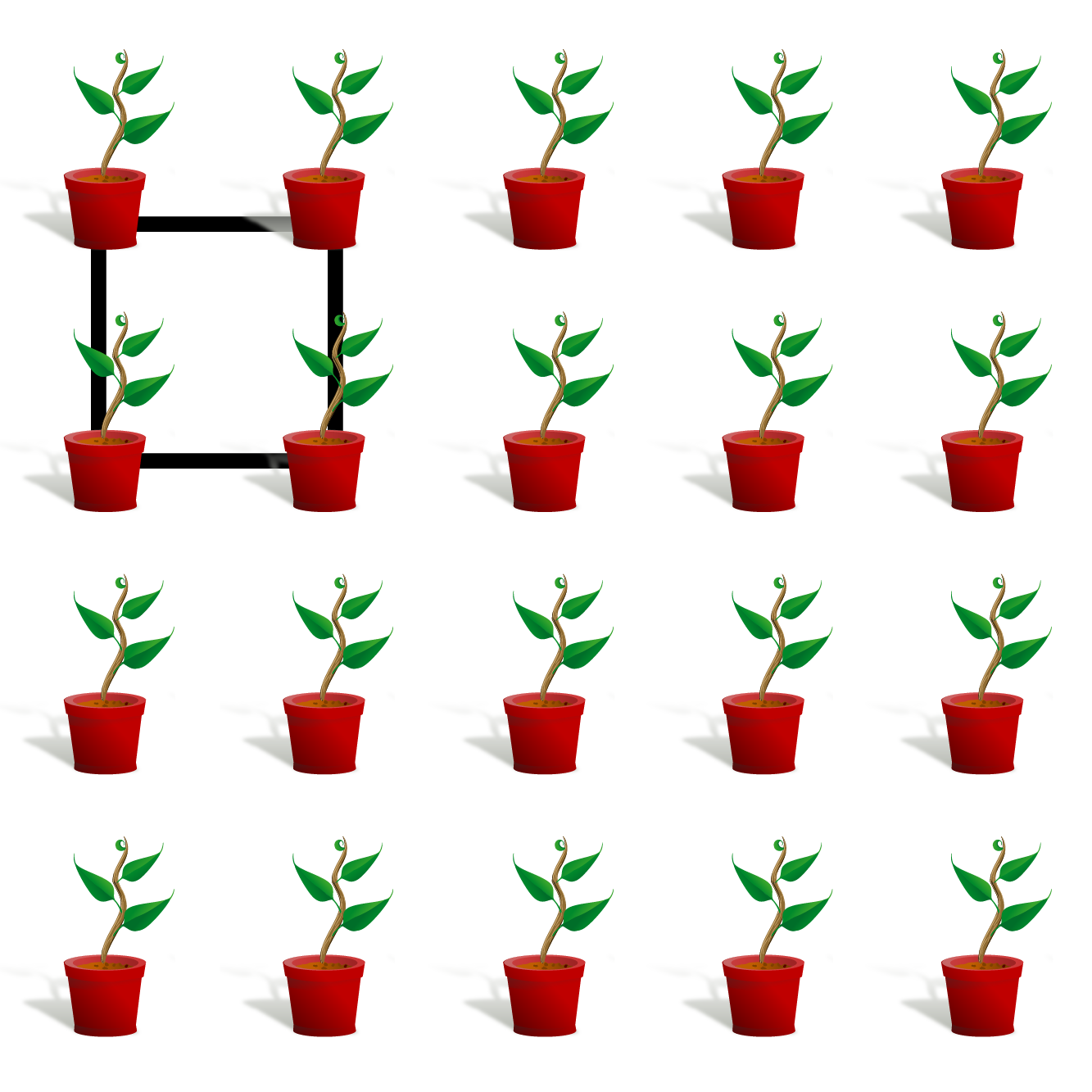
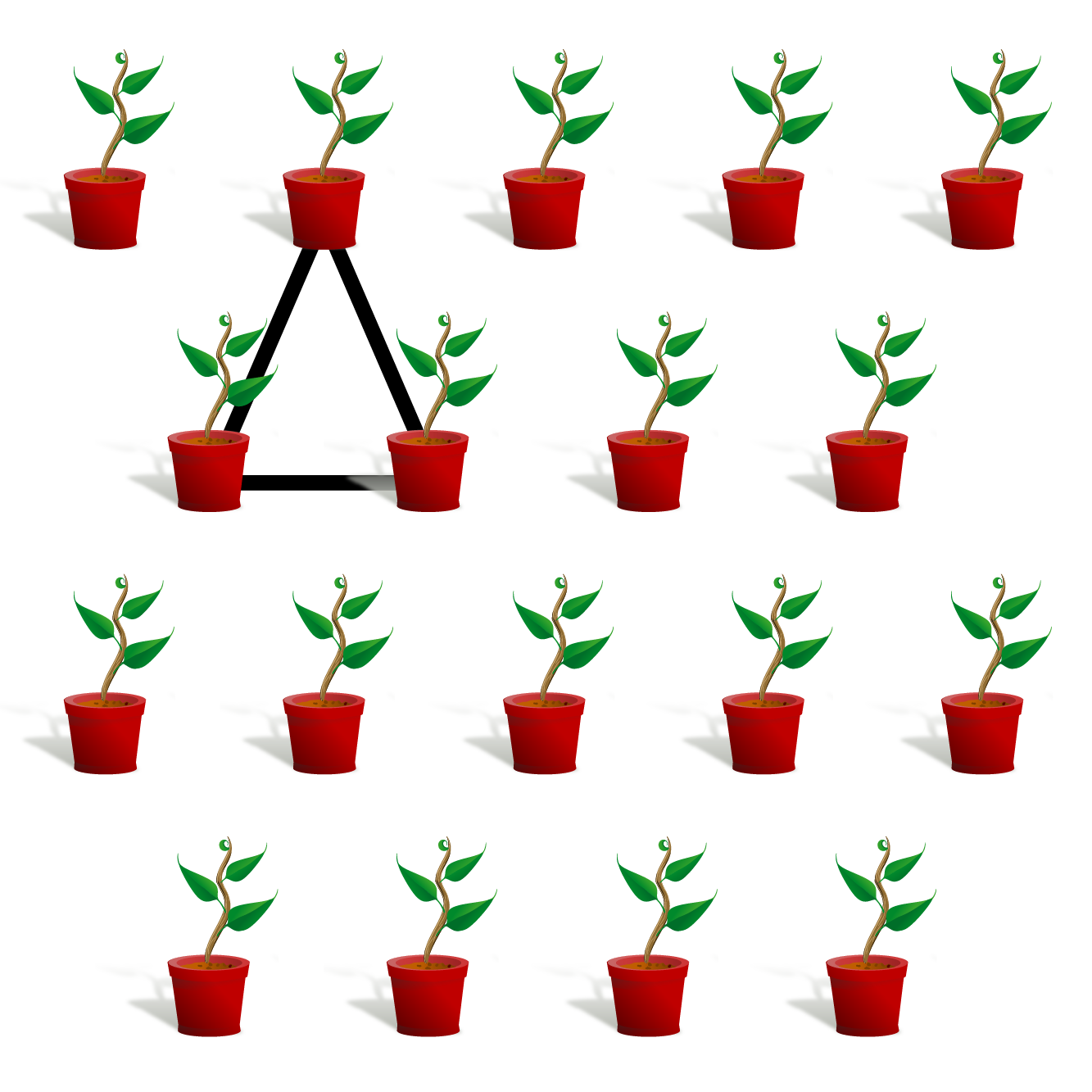
Spacing: Space plants approximately 4–6 feet apart; since that is closer than the widest mature spread, neighboring shrubs will grow together into a loose group or informal hedge.
Maintenance: Keep a thick layer of mulch over the shallow root zone, avoid digging or cultivating near the base, and protect young plants where deer are active.
Gardeners choose Pinxterbloom Azalea for its delicate, fragrant spring flowers and for a looser, more natural shape than the evergreen azaleas common in foundation beds. It performs best under tall trees with high, open shade or along the edge of a wooded lot, where its suckering habit slowly forms a loose colony. As a species native to Maryland, it fits naturally into woodland gardens and plantings meant to feed early-season pollinators.
Landscape Solutions:
- Brings fragrant pink and white flowers to lightly shaded woodland edges in spring, opening on bare branches before the leaves emerge.
- Early-season nectar draws hummingbirds, swallowtail butterflies and bumble bees into native plant and pollinator gardens.
- Its suckering habit lets a group of plants slowly fill in as a loose, informal hedge or mass planting.
- Tolerance of summer heat and short dry spells suits it to sites under trees where soil moisture varies through the season.
- As a Maryland native, it suits landscapes planned around local species and restoration plantings along wooded areas.