


Northern Exposure Camellia
Camellia sasanqua ‘Northern Exposure’Northern Exposure Camellia is a fall-blooming Camellia sasanqua selection grown for its large, single white flowers and for surviving winters farther north than most sasanquas. Plants form an upright evergreen shrub about 6–8 feet tall and 5–8 feet wide at a moderate growth rate. The leathery, finely toothed leaves are glossy and dark green, holding their color through every season and keeping the shrub full and solid in winter.
Pale pink buds open over several weeks in fall to wide, single white flowers centered on a bright cluster of golden-yellow stamens. In the Mid-Atlantic, hardy fall-blooming camellias typically flower from October into December, when few other shrubs are in bloom. The open flowers leave their stamens within reach of pollinators, and the dense evergreen branches give songbirds cover through winter. Plants work as a hedge, a screen along a property line, or a single accent near an entry.
Northern Exposure grows in full sun to partial shade, but in colder gardens its leaves stay in better condition with shelter from afternoon sun, winter sun and northwest wind, such as the north side of a building or a conifer hedge. It needs acidic to neutral, well-drained soil rich in organic matter and does not tolerate alkaline soil. Once established it tolerates some drought, though a deep soaking before the ground freezes helps prevent winter leaf scorch.
Care Instructions:
Planting: Plant in spring, between mid-April and late May, so roots can establish before the first winter, and wrap young plants loosely in burlap for their first winter.
Soil: Prefers acidic to neutral, well-drained soil amended with compost; yellow leaves with green veins can signal soil that is too alkaline.
Watering: Water deeply once or twice a week through the first growing season, and soak the soil in late fall before the ground freezes to reduce winter leaf scorch.
Fertilizing: Feed with a fertilizer made for acid-loving plants in spring, and avoid feeding in late summer, which pushes soft growth that cannot harden before winter.
Pruning: Prune lightly in early spring, after the last flowers fade, since next season’s flower buds form on older growth; avoid pruning in late summer.
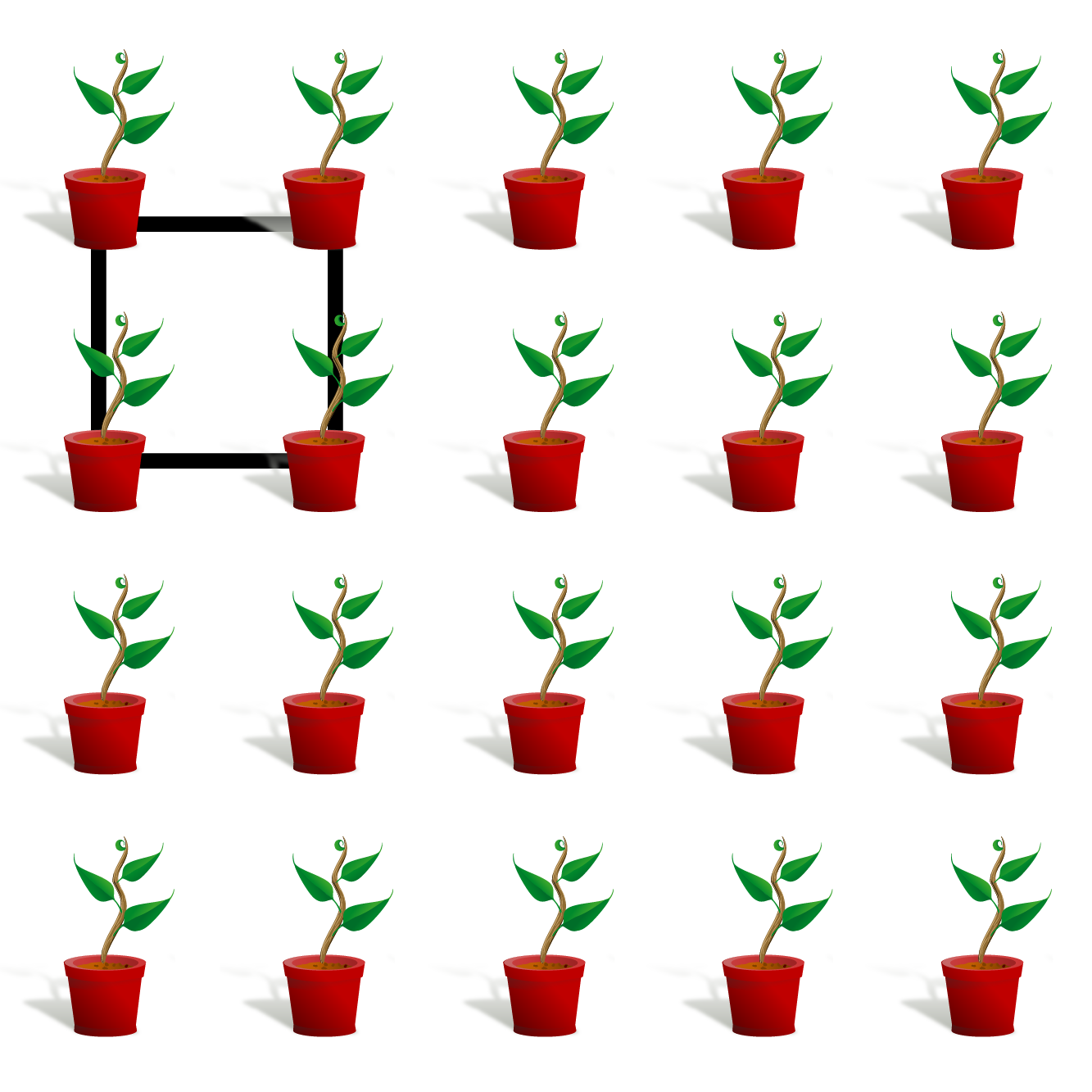
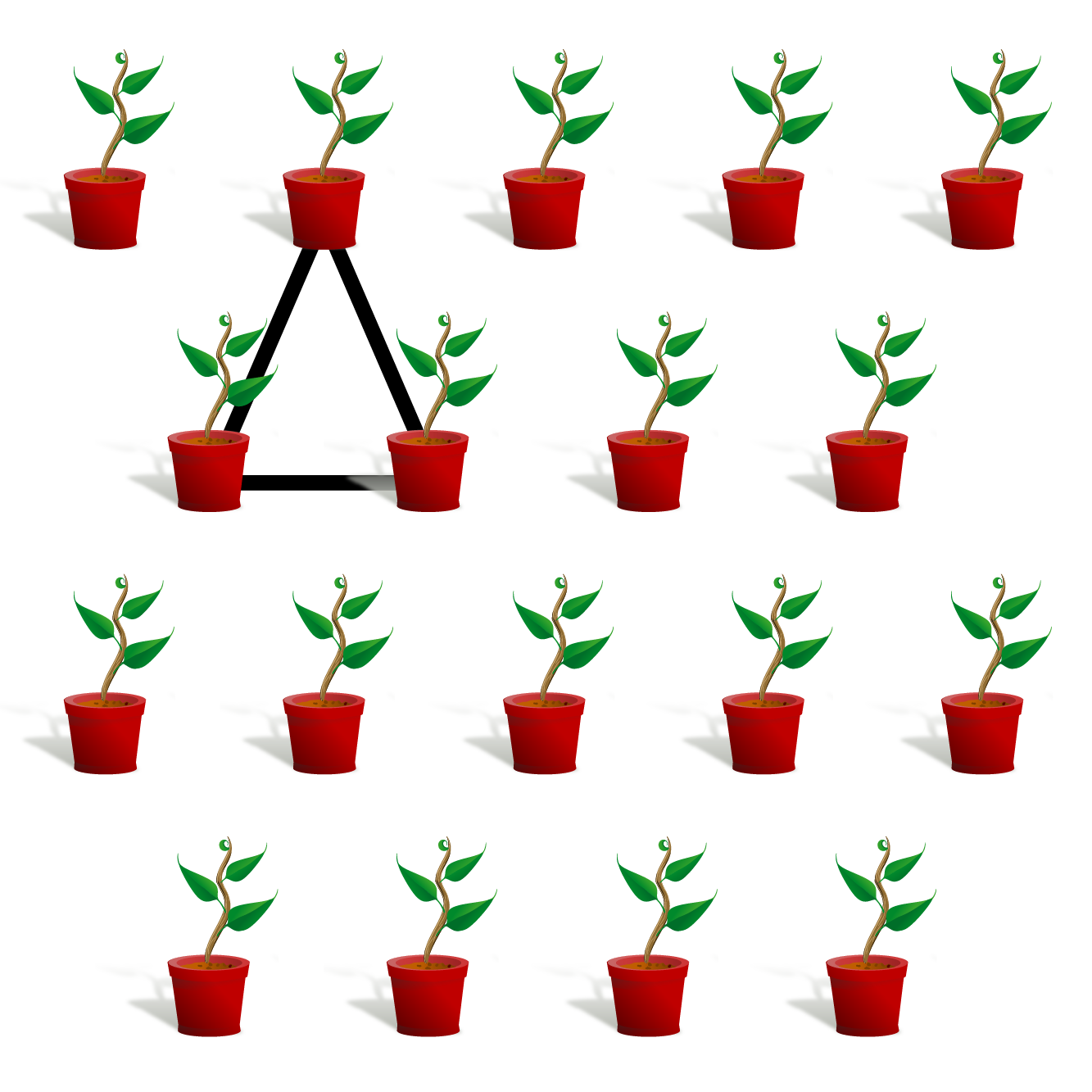
Spacing: Space plants approximately 5–7 feet apart; neighboring shrubs will grow together into a continuous hedge or screen.
Maintenance: Keep a layer of mulch over the root zone to hold moisture and steady soil temperature, and check the undersides of leaves for scale insects, the most common pest.
Gardeners choose Northern Exposure Camellia for clean white flowers in fall and glossy evergreen leaves in a climate where many camellias struggle. Its upright shape suits a hedge along a fence as well as a single shrub beside a doorway or patio, and young plants also suit large winter containers. It performs best in a sheltered spot with morning sun and acidic soil, where the leaves stay dark green through winter.
Landscape Solutions:
- Upright evergreen growth 6–8 feet tall forms a year-round hedge or privacy screen along fences and property lines.
- Single white flowers bring color to beds from October into December, after most shrubs have finished blooming.
- Rated hardy to Zone 6 by several growers, it brings fall camellia flowers to gardens too cold for many other sasanquas.
- Its preference for a sheltered north or west side makes it a good choice for foundation beds on the shaded side of a house.
- Drought tolerance once established reduces watering in beds and borders far from a hose.