



Limelight Hydrangea
Hydrangea paniculata ‘Limelight’Limelight Hydrangea, Hydrangea paniculata ‘Limelight’, is a large deciduous shrub known for its oversized, cone-shaped flower clusters in an unusual shade of lime green. The upright, rounded plant grows on stout, reddish-brown stems that are sturdier than those of most hydrangeas and hold the heavy blooms through summer rain. Dark green, coarse-textured leaves 3–6 inches long cover the plant, which matures at about 6–8 feet tall and wide.
Flowering begins in late summer, when panicles 6–12 inches long open a soft celadon green, lighten toward creamy white, and then age through pink, red and burgundy as nights cool in fall. The flower heads hang on through frost, and the leaves often turn red to burgundy before they drop. Butterflies visit the blooms. The flowers last well when cut fresh and dry easily for arrangements, and the shrub works as a specimen, an informal flowering hedge or a summer screen.
Limelight Hydrangea flowers best in full sun to partial sun, and an afternoon break from the sun helps in the hottest spots. It grows in clay, loam or sandy soil that stays evenly moist but drains well, and soil pH does not change the flower color. The roots are shallow, so a layer of mulch helps hold moisture. Tolerance of heat, humidity, salt and city conditions makes it practical near streets and driveways. Its care needs are simple.
Care Instructions:
Planting: Plant in spring or early fall in a sunny spot with room for the shrub to reach 6–8 feet, setting the root ball level with the surrounding soil.
Soil: Prefers loam rich in organic matter but adapts to clay and sand; avoid low spots where water stands after rain.
Watering: Water deeply once or twice a week through the first summer, then about an inch a week in dry spells; flower heads that dry brown instead of turning pink can signal a need for more water.
Fertilizing: Apply a granular fertilizer made for trees and shrubs in early spring when pruning, following the label rate.
Pruning: Flowers form on the current year’s growth, so cut stems back by about one-third of their height in late winter or early spring, just above a pair of large buds.
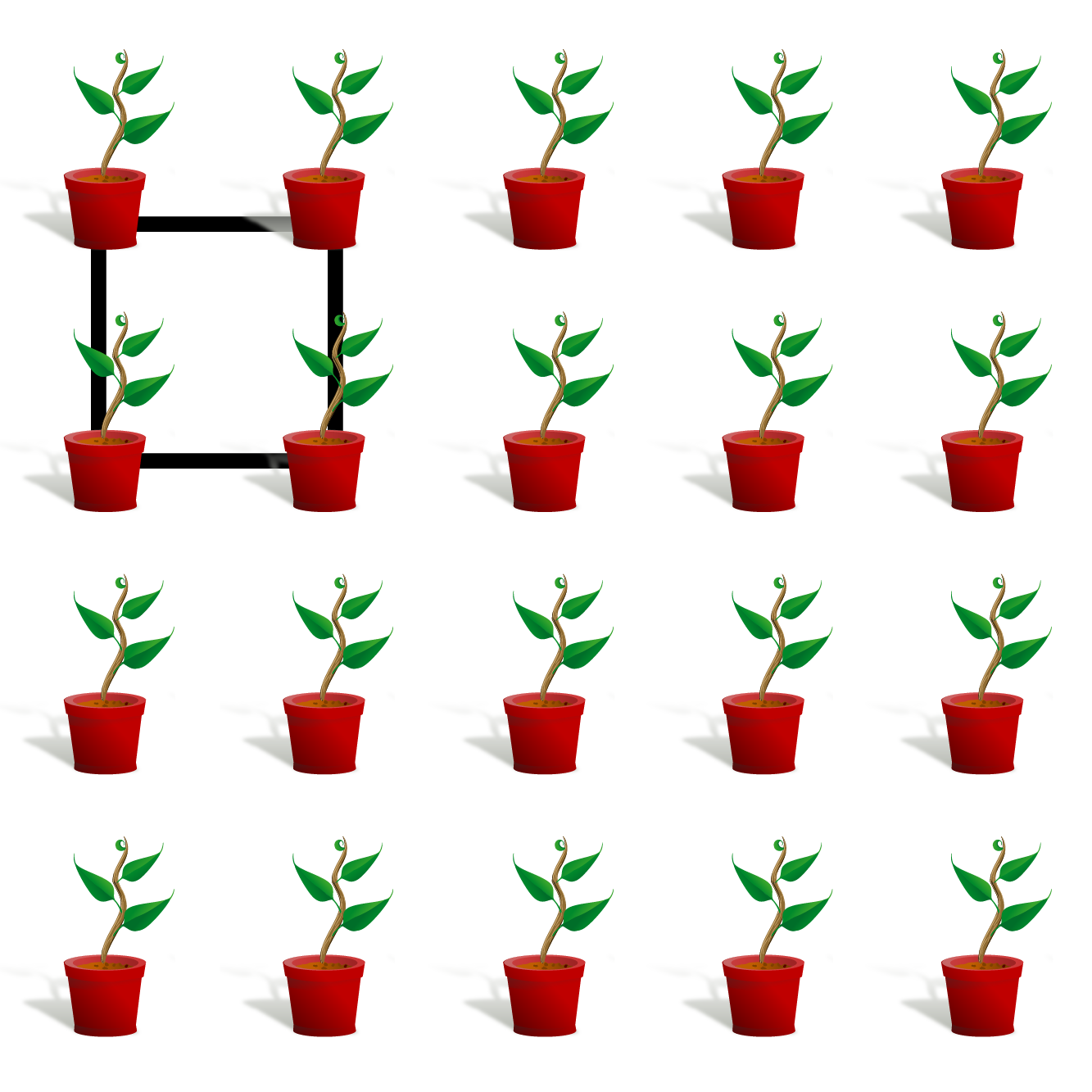
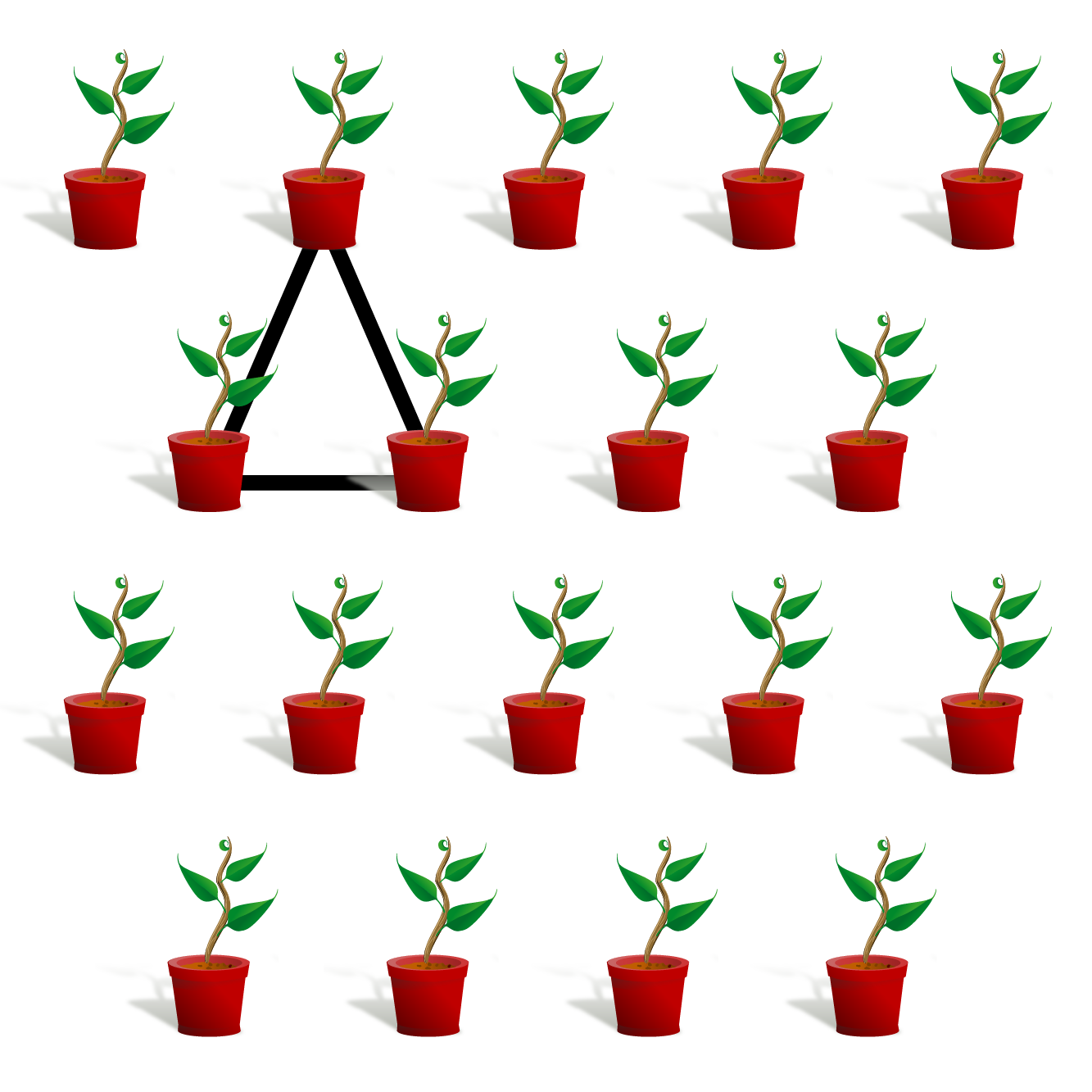
Spacing: Space plants approximately 7–8 feet apart; at the closer spacing the shrubs will meet and form a continuous flowering hedge.
Maintenance: Keep a 2–3 inch layer of mulch over the shallow roots, and site plants out of strong wind, which can break the brittle stems.
Gardeners choose Limelight Hydrangea for months of large flowers from a shrub that blooms reliably every year, since its buds form on new growth and are not lost to a cold winter or a late-season pruning. It performs best in sunny beds, foundation corners and property borders, where its lime-green summer flowers and pink fall color stand out against evergreens and lawn.
Landscape Solutions:
- Blooming on new growth means flowers appear every summer, even after a harsh winter or a hard spring pruning.
- Planted in a row, its 6–8 foot size forms a flowering hedge or seasonal screen along a property line.
- Tolerance of salt and urban conditions makes it useful near streets, sidewalks and driveways that receive winter road salt.
- Large flower heads provide fresh cut flowers in summer and dried flowers for fall and winter arrangements.
- Lime-green blooms that age to pink and red carry color from late summer into fall, after most shrubs have finished flowering.