



Inaba Shidare Laceleaf Japanese Maple
Acer palmatum var. dissectum ‘Inaba Shidare’Inaba Shidare Laceleaf Japanese Maple is a weeping, mounded Japanese maple grown for its finely cut, deep purple-red foliage. Each leaf is divided into narrow, toothed lobes and reaches up to 6 inches long and wide, larger than the leaves of many other laceleaf maples. Arching branches cascade toward the ground, giving the plant a rounded, flowing outline. It grows slowly to about 6–8 feet tall and 8–10 feet wide, with a more upright, vigorous habit than most laceleaf types.
New leaves open deep purple in spring and mature to a reddish-purple tone through summer. In fall the foliage turns bright crimson red before dropping to reveal the arching branch pattern. Small purple-red flowers appear in April but are hidden among the leaves. Songbirds visit the tree, and its sculptural form makes it a natural focal point near a patio, entryway or walkway, in a rock garden, or in an Asian-style planting.
This maple grows well in full sun to partial shade. In hot Mid-Atlantic summers, a site with morning sun and afternoon shade protects the leaves from scorch, and leaf color is often richest with a little shade. It prefers moist, organically rich, slightly acidic soil that drains well, such as a loam or sandy loam; high-pH soil can cause yellowing leaves. A spot sheltered from strong wind and hot, dry exposures keeps the delicate foliage at its best.
Care Instructions:
Planting: Plant in spring or early fall in a sheltered spot with morning sun and afternoon shade, setting the root flare at or slightly above the surrounding soil.
Soil: Prefers moist, organically rich, slightly acidic soil that drains well; avoid heavy, waterlogged sites and high-pH soil that can cause yellowing leaves.
Watering: Water deeply once or twice a week during the first two growing seasons and during summer dry spells, keeping the soil evenly moist but never soggy.
Fertilizing: Apply compost or a slow-release fertilizer for trees and shrubs in early spring; heavy feeding is not needed and can push soft growth that scorches easily.
Pruning: Prune lightly from late fall to midwinter to remove dead or crossing branches and thin the interior, since cuts made in spring or summer bleed heavily.
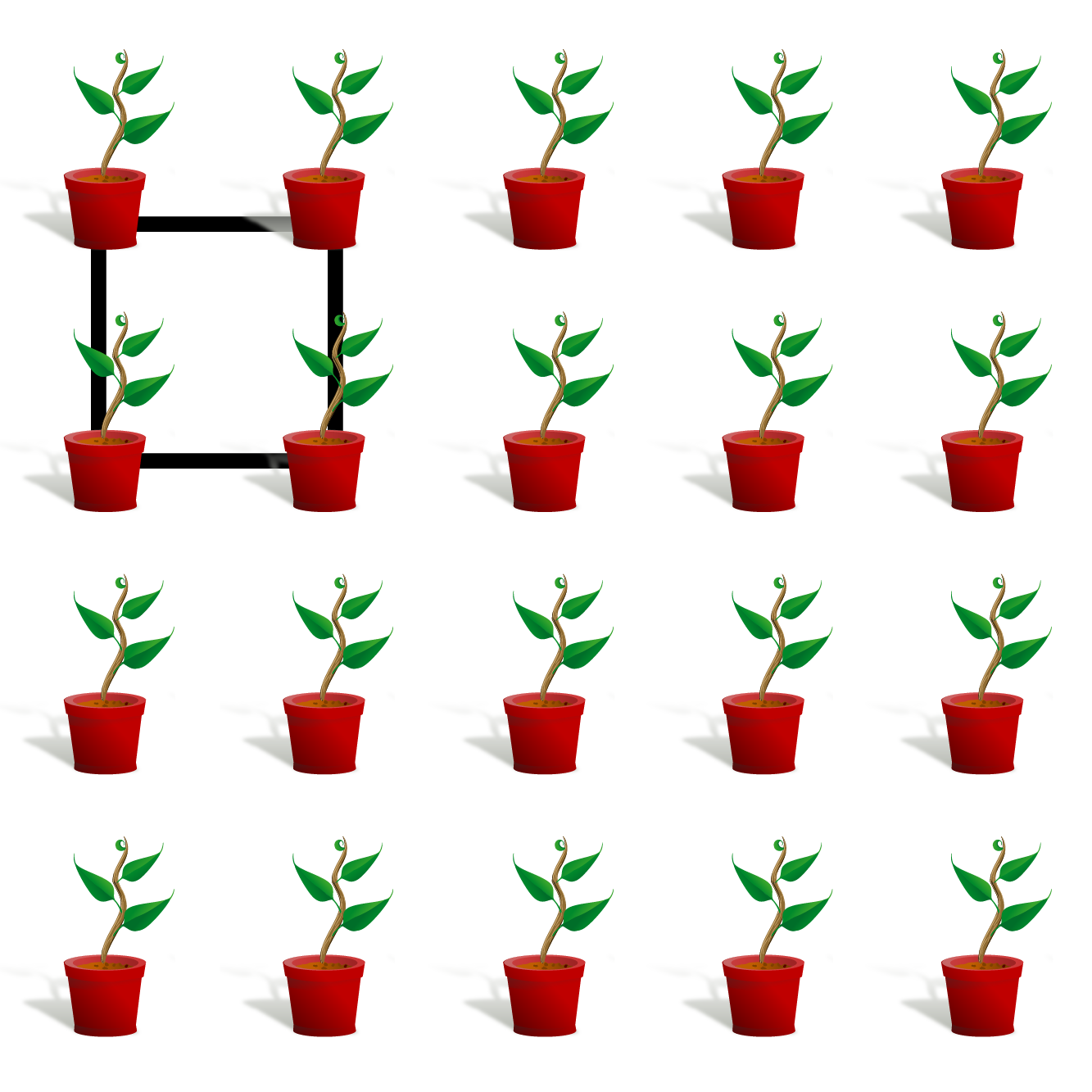
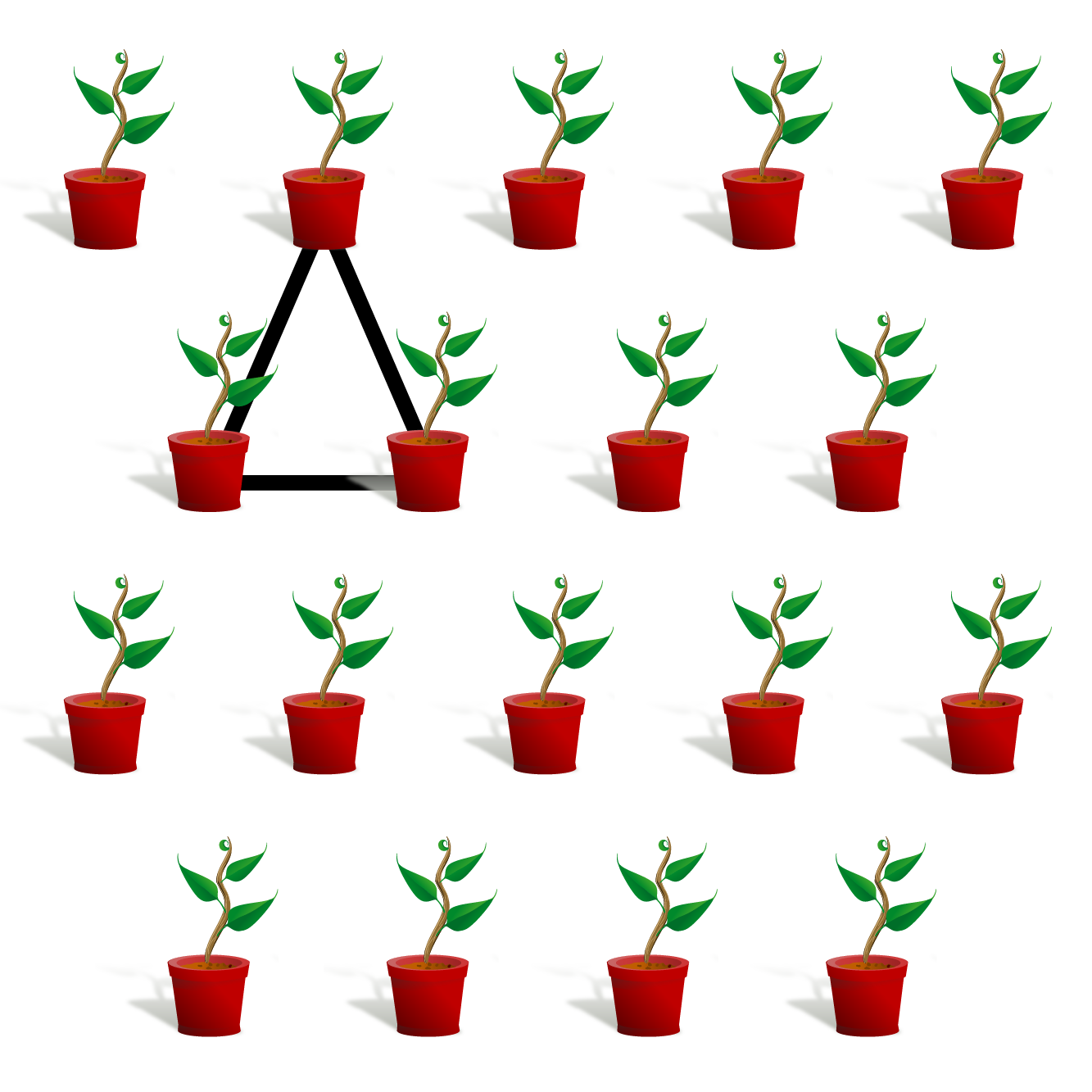
Spacing: Space plants approximately 8–10 feet apart, at or near the full spread, so each weeping mound keeps its own separate shape.
Maintenance: Keep a 2–3 inch layer of mulch over the root zone, pulled back from the trunk, and watch for aphids, scale and leaf scorch during hot, dry weather.
Gardeners choose Inaba Shidare for its large, lacy leaves, its graceful weeping shape and a long season of purple and crimson color. Its modest mature size suits small yards and foundation beds where a full-size tree would crowd the house, and slow growth keeps it in scale for years. It performs best in a sheltered, well-drained site with afternoon shade, where it develops into a long-lived centerpiece.
Landscape Solutions:
- Its weeping, mounded shape makes it a focal point near patios, entryways and walkways.
- Slow growth to about 6–8 feet tall lets it fit small yards and foundation plantings where a larger tree would outgrow the space.
- Deep purple summer leaves add contrast beside green, gold and blue conifers and broadleaf evergreens.
- Bright crimson fall color extends garden interest after most flowering shrubs have finished.
- Fine-textured, finely cut leaves soften rock gardens and Asian-style plantings.