


Mr. Poppins Winterberry Holly
Ilex verticillata ‘FARROWMRP’Mr. Poppins Winterberry Holly is a compact male cultivar of the native winterberry species, valued primarily for its role as a pollinator for female winterberry hollies. Unlike female winterberries, Mr. Poppins does not produce berries, but its small white flowers provide the pollen necessary for compatible female plants to develop their colorful fruit. Its compact size makes it especially useful where a male pollinator is needed without adding a large shrub to the landscape.
This deciduous shrub grows approximately 3 to 4 feet tall and wide, forming a naturally rounded, upright shape. Its green foliage provides a fresh backdrop throughout spring and summer before turning yellow in fall and dropping for winter. Small white flowers appear in spring and summer and attract bees and other pollinating insects. While the flowers are not the primary ornamental feature, their timing makes Mr. Poppins an important companion plant for female winterberries that depend on compatible pollen to produce berries.
Mr. Poppins performs best in full sun to partial sun and thrives in moist to wet soil conditions. It is particularly well-suited to boggy areas, rain gardens, pond edges, and other portions of the landscape where consistent moisture is available. It can tolerate a range of soil types, including clay and heavier soils, and prefers slightly acidic conditions. The plant requires regular moisture to perform well and can be an excellent solution for filling smaller wet areas where many common shrubs are not well adapted.
Care Instructions:
Planting: Plant in full sun to partial sun in moist to wet soil. Choose a location with enough room for the shrub to reach its mature size.
Soil: Adaptable to clay, loam, and other soil types. Prefers slightly acidic, consistently moist soil and can tolerate wet or boggy conditions.
Watering: Provide regular moisture, particularly during establishment and periods of dry weather. Do not allow the soil to remain dry for extended periods.
Fertilizing: Apply a balanced, slow-release fertilizer in spring if needed. Follow soil-test recommendations and avoid excessive fertilization.
Pruning: Little pruning is necessary. If shaping is desired, prune lightly after flowering, since excessive pruning can reduce future flower production.
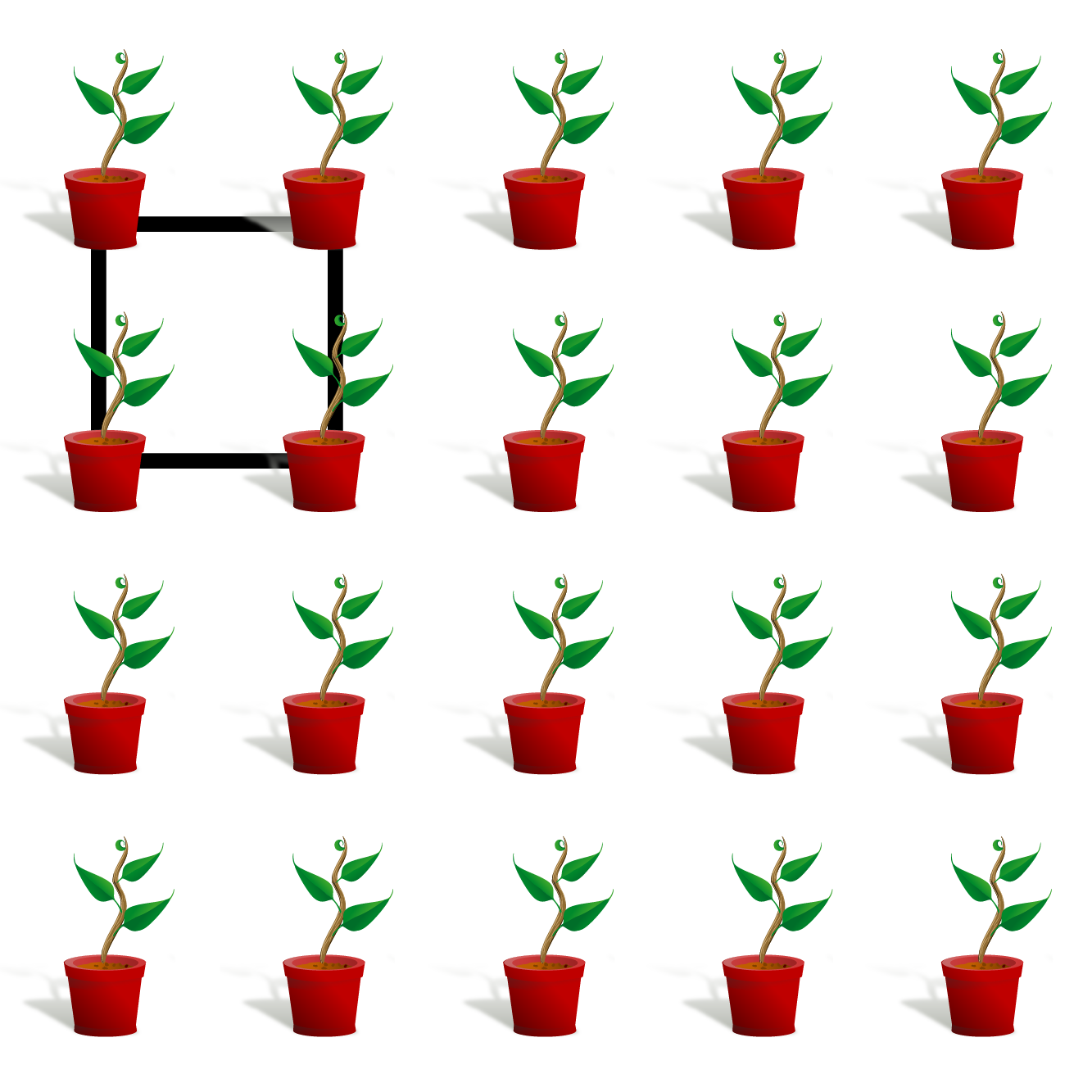
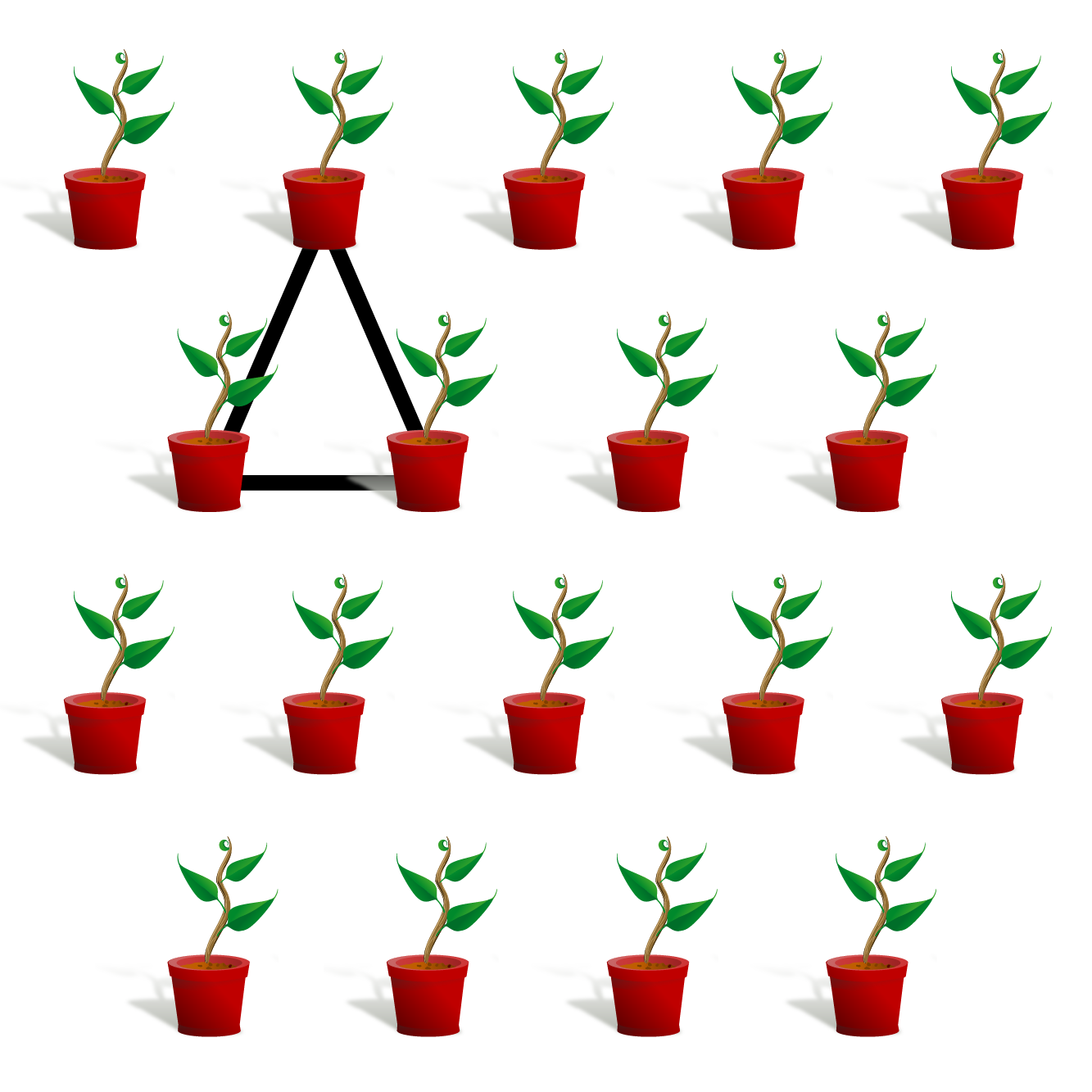
Spacing: Space approximately 3–5 feet apart, depending on the planting design. Position within approximately 50 feet of compatible female winterberries for effective pollination.
Maintenance: Maintain consistent soil moisture and apply organic mulch around the root zone. Remove damaged or crossing branches as needed, but avoid unnecessary pruning that could reduce flowering.
Pollinator: Mr. Poppins is a male winterberry and does not produce berries. Plant it with female varieties such as Berry Poppins, Berry Heavy, or Berry Heavy Gold for pollination and berry production.
The primary landscape purpose of Mr. Poppins is pollination, making it an important companion to female winterberries such as Berry Poppins, Berry Heavy, and Berry Heavy Gold. Plant it within approximately 50 feet of compatible female plants and in similar light conditions so the flowers overlap and pollen can be transferred effectively. One male plant can pollinate multiple female winterberries, allowing gardeners to create a productive berry-producing planting without needing a male plant for every female shrub.
Landscape Solutions:
- Provides the male pollinator needed for berry production on several compact and full-sized female winterberries.
- Works specifically with Berry Poppins, Berry Heavy, and Berry Heavy Gold.
- Works well in rain gardens, pond edges, bog gardens, and other moisture-retentive locations.
- Adds pollinator value through its small white flowers, which provide pollen for bees and other insects.
- Provides a native plant option for landscapes centered around Maryland’s native winterberry.
- Can be planted near several female winterberries, allowing one male to provide pollen for multiple plants.