



Blue Maid Holly
Ilex × meserveae 'Blue Maid'Blue Maid Holly is a vigorous, broadleaf evergreen shrub prized for its glossy blue-green foliage, abundant red berries, and excellent cold hardiness. This female cultivar of hybrid blue holly develops an upright form that brings structure and year-round color to the landscape. Its dense branching makes it useful for privacy screens, hedges, and large foundation plantings, while its distinctive foliage and colorful winter berries make it an attractive specimen shrub. Unlike deciduous plants that lose their leaves in fall, Blue Maid Holly maintains its evergreen foliage throughout the year, providing a dependable backdrop for seasonal flowers and other landscape plantings.
The foliage is one of Blue Maid Holly’s most distinctive features. Its leathery, glossy leaves are a deep blue-green color, with small spines along the margins that give the plant its traditional holly appearance. Dark green to purplish stems add subtle contrast against the foliage, particularly during winter. Small white flowers appear in spring, followed by bright red berries when a compatible male holly is growing nearby. These berries typically develop through the growing season and remain attractive into fall and winter, bringing color to the landscape when many other shrubs are dormant. The combination of evergreen leaves and persistent red fruit makes Blue Maid Holly especially valuable for maintaining visual interest throughout the colder months.
Blue Maid Holly also offers meaningful wildlife benefits. Its red berries provide a food source for birds, including species that visit gardens during fall and winter. The dense evergreen branches provide shelter and protective cover throughout the year, creating useful habitat for birds and other small wildlife. As a female holly, Blue Maid is particularly appealing to gardeners who want a shrub that contributes both ornamental color and wildlife value. To encourage reliable berry production, plant it near a compatible male blue holly, such as ‘Blue Prince‘ or ‘Blue Boy’. These male cultivars provide the pollen needed for fruit development but do not produce berries themselves.
Care Instructions:
Planting: Plant in spring or fall in a location with full sun to partial shade. Choose a site with good drainage and room for the mature shrub. Keep the root flare at soil level and water thoroughly after planting.
Soil: Prefers moist, well-drained, organically rich soil with a slightly acidic pH. Adaptable to clay, loam, and sandy soils when drainage is adequate.
Watering: Water regularly during the first growing season to help establish a strong root system. Keep the soil evenly moist without leaving the roots in standing water. Water during prolonged dry spells, especially in summer and before the ground freezes in winter.
Fertilizing: Apply a slow-release fertilizer formulated for acid-loving shrubs in spring if needed. Follow label directions and avoid excessive fertilization.
Pruning: Prune in late winter or early spring before new growth begins, or lightly shape after flowering. Remove dead or damaged branches and trim selectively to maintain the desired size and form. Wear gloves when handling the spiny foliage.
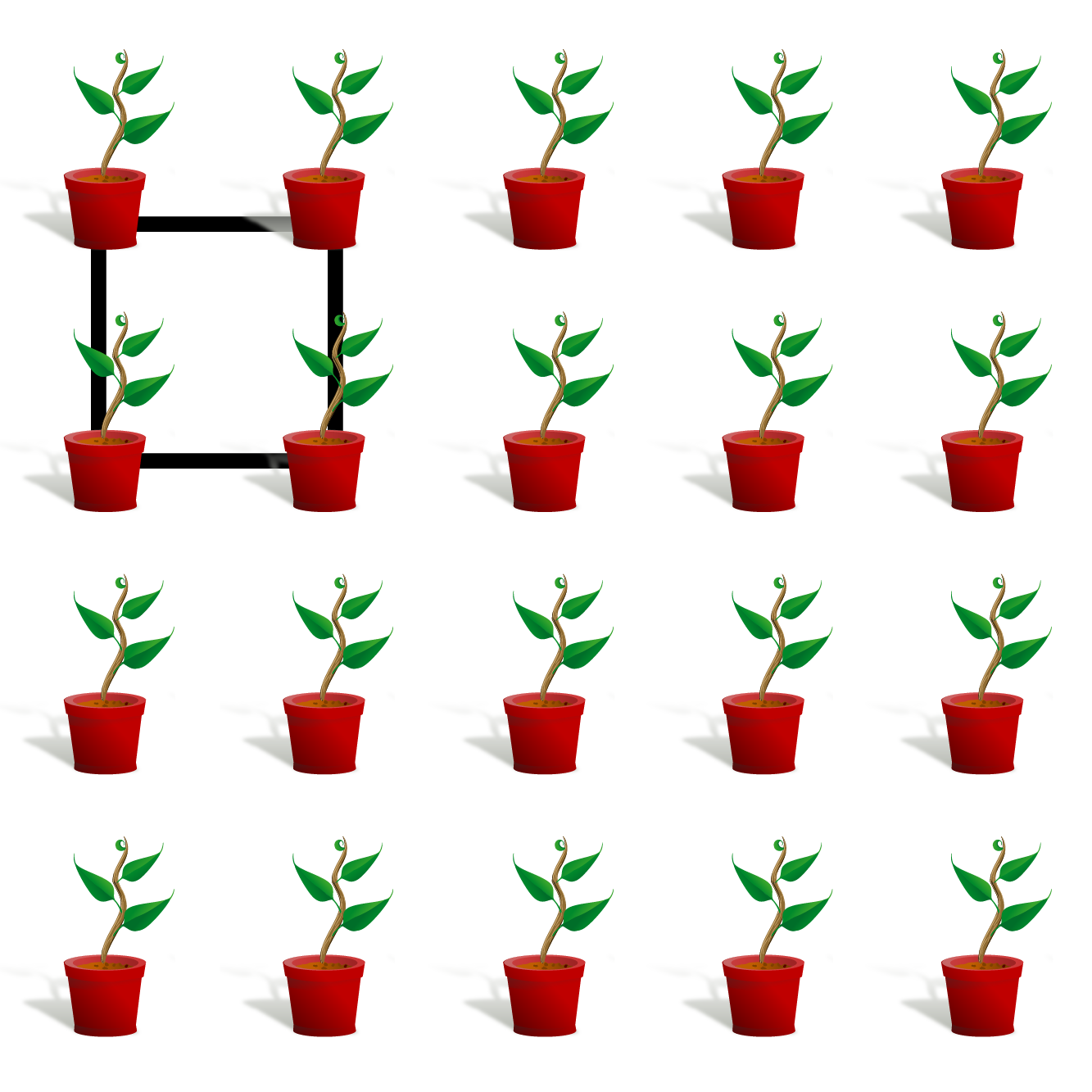
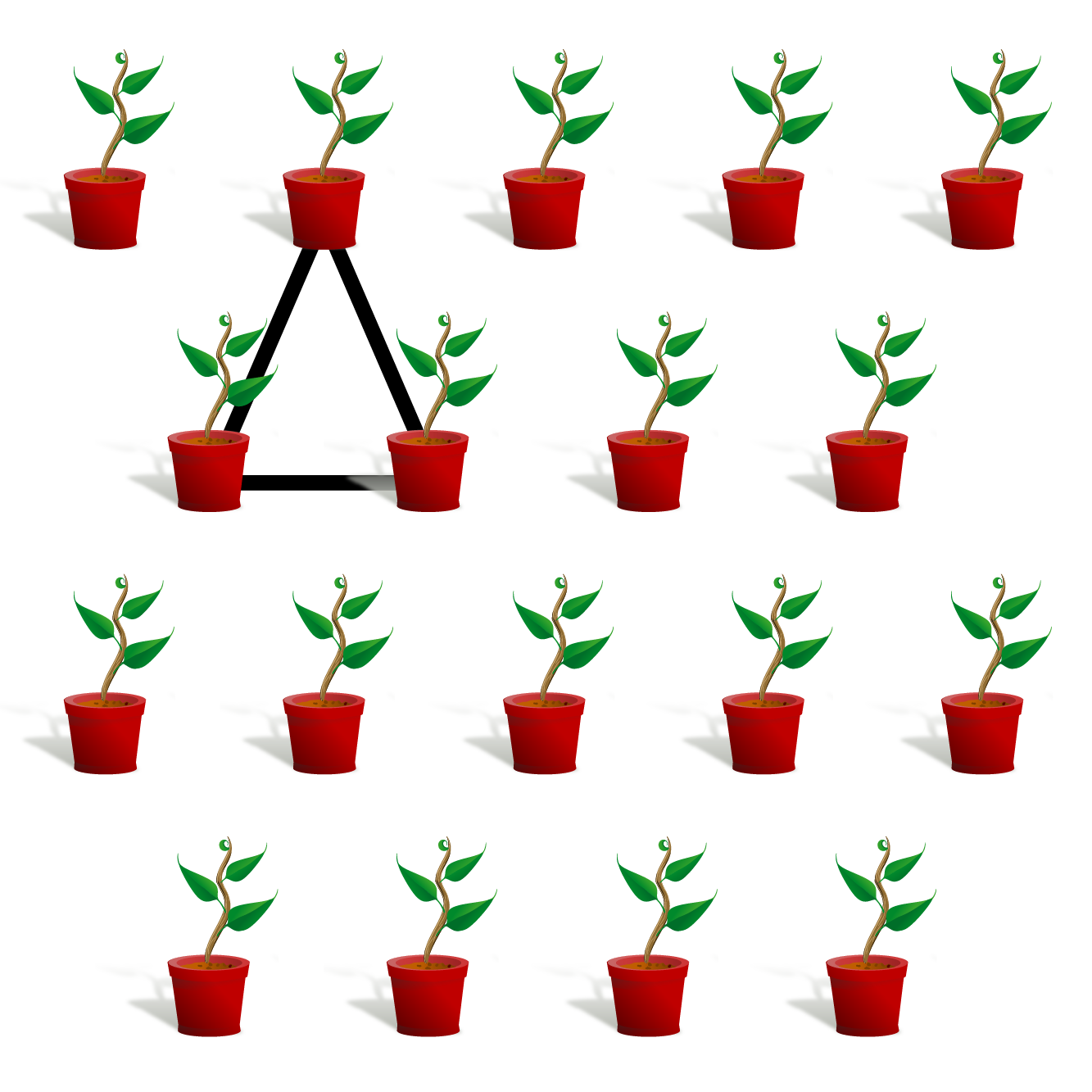
Spacing: Space plants approximately 6–10 feet apart for hedges or screens, adjusting spacing based on the desired density and mature width.
Maintenance: Apply a 2–3-inch layer of mulch over the root zone, keeping it away from the stems. Monitor soil moisture during hot weather and protect the plant from harsh winter winds in exposed locations. Ensure a compatible male holly is nearby for berry production.
Pollinator: Requires a compatible male pollinator for berry production. Suitable partners include ‘Blue Prince‘ or ‘Blue Boy’ Holly.
For best results, grow Blue Maid Holly in full sun to partial shade in moist, well-drained soil. It performs particularly well in organically rich, slightly acidic soil and benefits from consistent moisture during establishment. Although it is notably cold-hardy for an evergreen holly, it can struggle in exposed, hot, dry locations, especially where reflected heat and drought stress occur together. Choose a site with enough room for its mature height and spread, and provide protection from harsh winter winds where possible. Blue Maid Holly can be used as a natural screen, a formal or informal hedge, or a standalone specimen. With appropriate placement, occasional pruning, and a compatible male pollinator, it provides dependable evergreen structure and vibrant red berries for many years.
Landscape Solutions:
- Creates year-round privacy with dense evergreen foliage that screens neighboring properties and outdoor living areas.
- Offers shelter for birds during colder months while supplying berries when fruit is available.