


Gem Box Inkberry Holly
Ilex glabra ‘Gem Box’ PP27,554Gem Box® Inkberry Holly is a dwarf selection of the native inkberry, Ilex glabra, bred to look more like a boxwood than a typical inkberry. Its small, glossy, dark green leaves are smooth-edged and crowd densely along many short branches, forming a tight ball shape about 2–3 feet tall and wide. New growth in spring carries red tips, and the plant stays branched to the ground instead of going bare at the base.
The foliage holds its color through all four seasons, giving steady structure to beds that look empty in winter. Small white flowers appear in late spring but are not showy. Gem Box is a female plant; with a male inkberry such as Squeeze Box nearby, it can set black berries that birds eat. Inkberry also serves as a host plant for the Henry’s elfin butterfly. Gem Box suits low hedges, edging, foundation beds and containers.
This inkberry grows in full sun to part sun and also handles partial shade better than many small evergreens. It prefers moist, acidic soil and adapts to clay or sand, and it tolerates periods of wet soil. Its tolerance of salt makes it useful along driveways and walks that receive winter road salt, and deer usually leave it alone. Like other inkberries, it turns yellow in alkaline soil.
Care Instructions:
Planting: Plant in spring or early fall in sun to part shade, setting the root ball level with the surrounding soil.
Soil: Prefers moist, acidic soil rich in organic matter; test pH before planting, since alkaline soil causes yellow leaves.
Watering: Water deeply once or twice a week through the first growing season, and keep container plants evenly moist.
Fertilizing: Feed in spring with a fertilizer made for evergreens or acid-loving shrubs, following label rates.
Pruning: Shape lightly in late winter before new growth begins; the dense, rounded form needs little trimming.
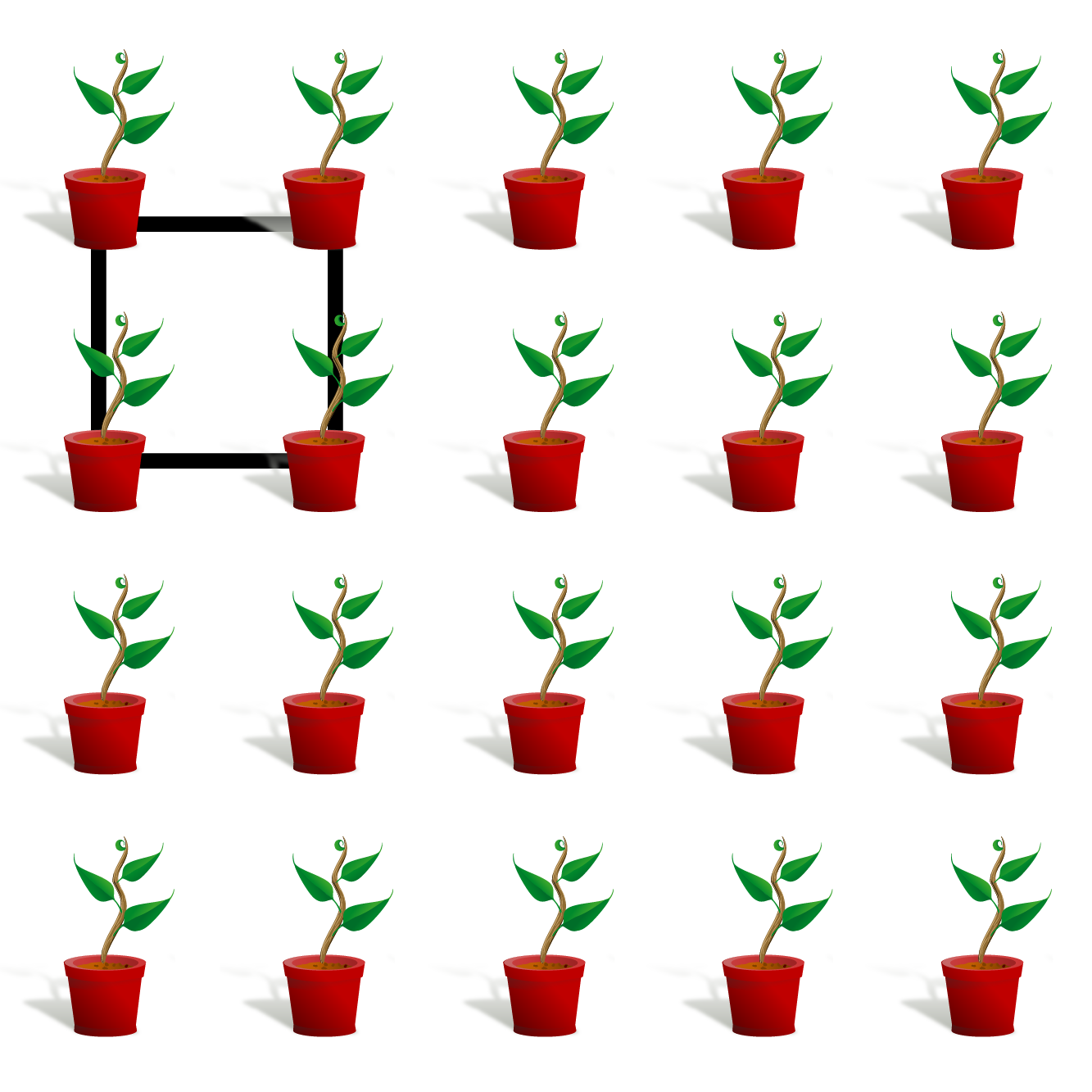
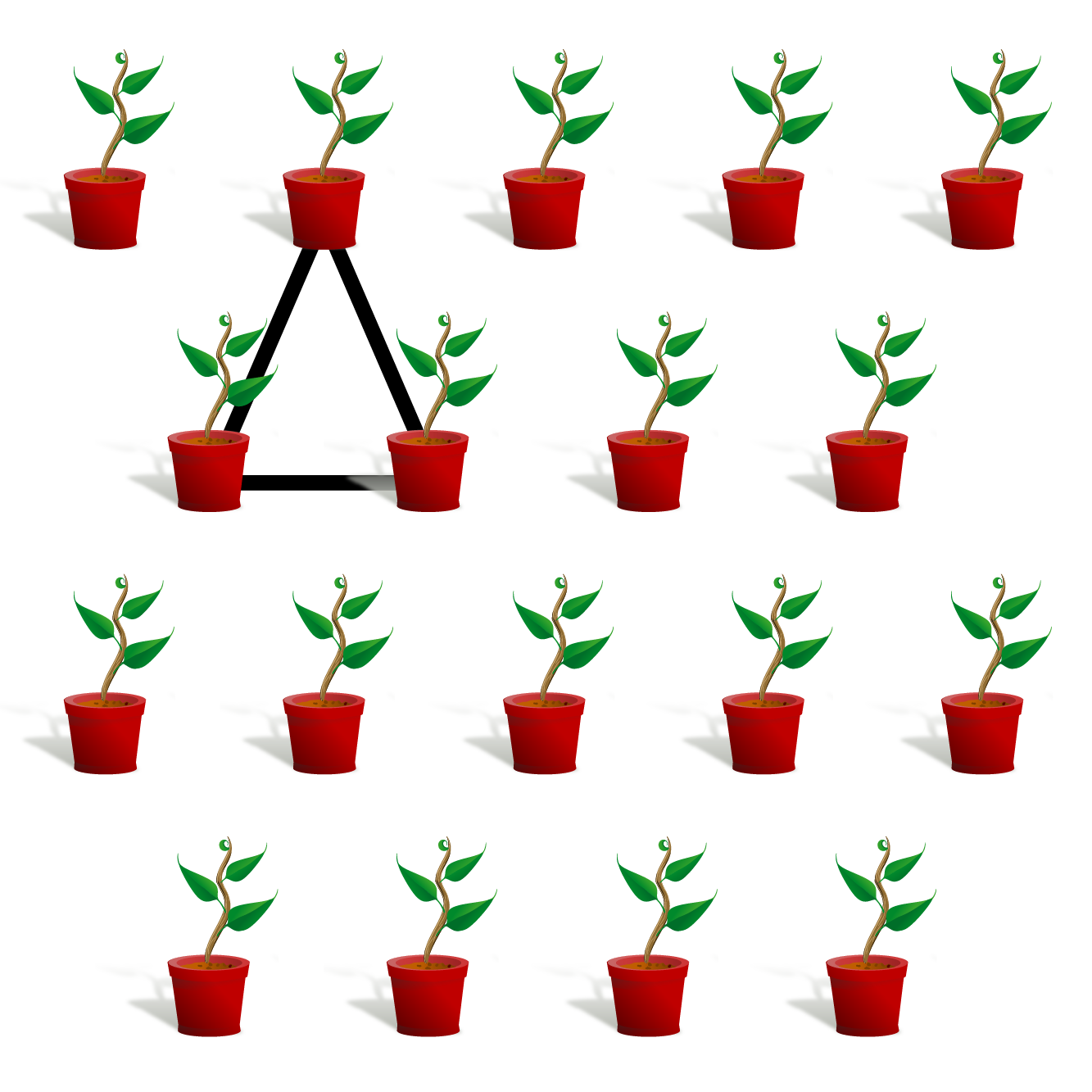
Spacing: Space plants approximately 2–3 feet apart; at that distance neighboring shrubs will meet and form a continuous low hedge.
Maintenance: Keep a 2–3 inch layer of mulch over the roots to hold moisture, and protect container plants from deep winter cold.
Pollinator: Gem Box is female and needs a male inkberry such as Squeeze Box planted within about 50 feet to set berries; the evergreen foliage is the same with or without fruit.
Gardeners choose Gem Box as a native alternative to boxwood, with the same rounded, formal look but none of the boxwood blight and leafminer problems. It performs best in acidic, moisture-holding soil with at least a few hours of sun, where it keeps a full, tidy shape for low hedges, walkway edging and containers by the door.
Landscape Solutions:
- Offers a native, deer-resistant replacement for boxwood in formal hedges and edging where boxwood blight is a concern.
- A compact size of about 2–3 feet keeps it below windows in foundation beds without frequent shearing.
- Salt tolerance suits it to beds along driveways, sidewalks and roads that receive winter de-icing salt.
- Its round, tidy shape works as a year-round focal plant in containers flanking an entry or patio.
- Tolerance of periodically wet soil helps it hold up in low spots where many small evergreens decline.