



Diane Witch Hazel
Hamamelis × intermedia ‘Diane’Diane Witch Hazel is a deciduous shrub prized for red to copper-red flowers that open along bare branches in the middle of winter. Its branches spread outward to form a broad, open crown, and its multi-stemmed framework has smooth gray bark that shows clearly once the leaves drop. Broad, oval green leaves up to 6 inches long fill out the plant from spring through summer. It grows at a moderate pace to about 8–12 feet tall and wide.
From late January into March, clusters of small, spidery flowers line the stems, each with four narrow, crinkled petals about 1 inch long. The long-lasting blooms carry a mild fragrance and open before the new leaves appear. In fall the foliage turns shades of yellow, orange and red, giving the shrub a second season of color. Diane works as a specimen near an entry, at the back of a shrub border, in a woodland garden, or as a tall informal screen.
This witch hazel flowers best in full sun and also grows in partial sun. It prefers moist, acidic, organically rich soil that drains well, and it tolerates clay as long as water does not stand around the roots. Steady moisture through summer helps prevent leaf scorch during dry spells. Deer usually leave it alone, and its tolerance of road salt suits plantings near driveways and walks. A few routine steps keep it healthy.
Care Instructions:
Planting: Plant in spring or early fall in full sun to partial sun, leaving room for the wide-spreading branches to develop without crowding nearby shrubs.
Soil: Prefers moist, acidic, organically rich soil that drains well; clay is acceptable when water does not collect around the roots.
Watering: Water deeply and regularly through the first growing season, then water when the top 3 inches of soil are dry, especially during summer drought to prevent leaf scorch.
Fertilizing: Apply a general-purpose shrub fertilizer in early spring, before the new leaves begin to grow.
Pruning: Prune in spring right after flowering to control shape and size; next winter’s flowers form on older shoots, so heavy pruning reduces bloom.
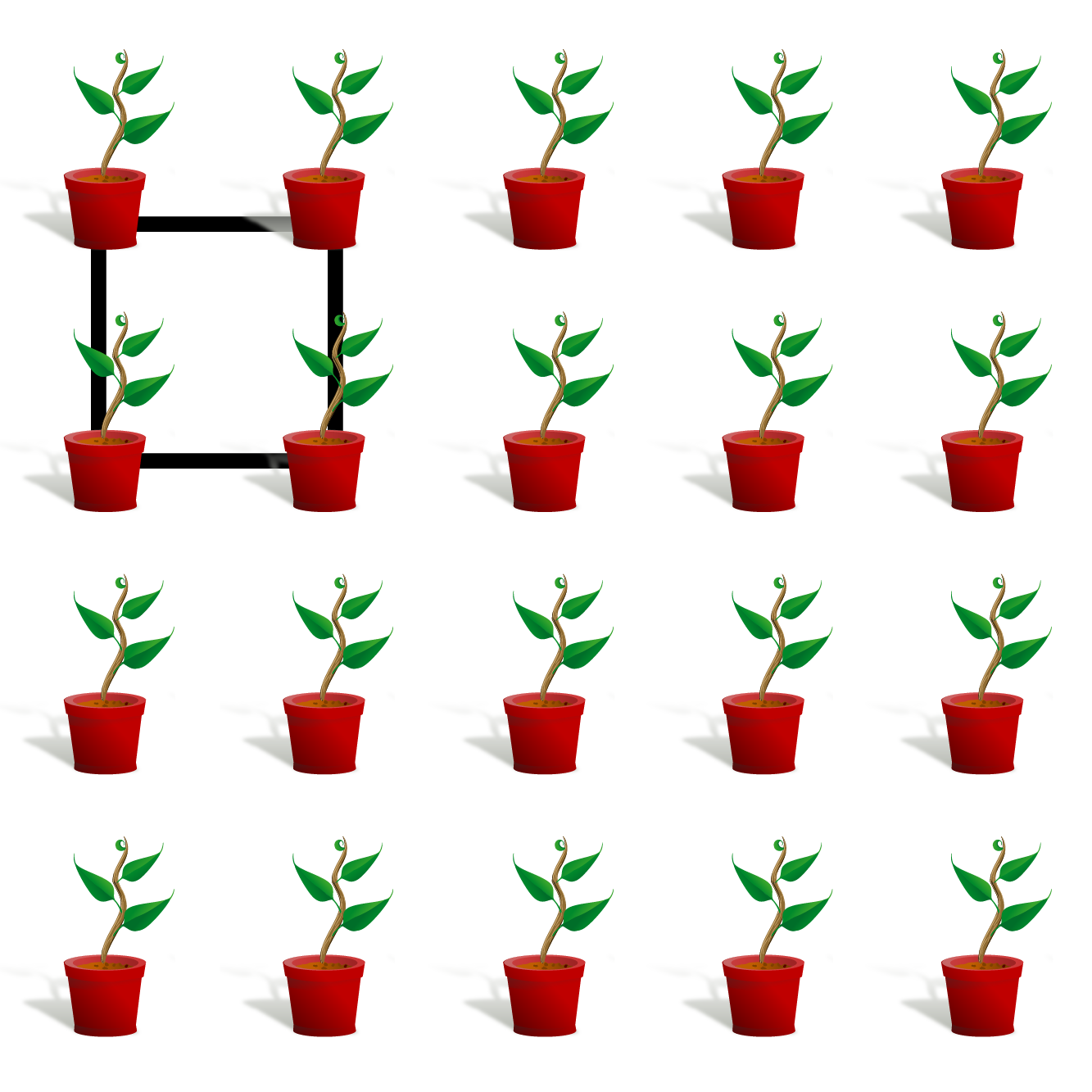
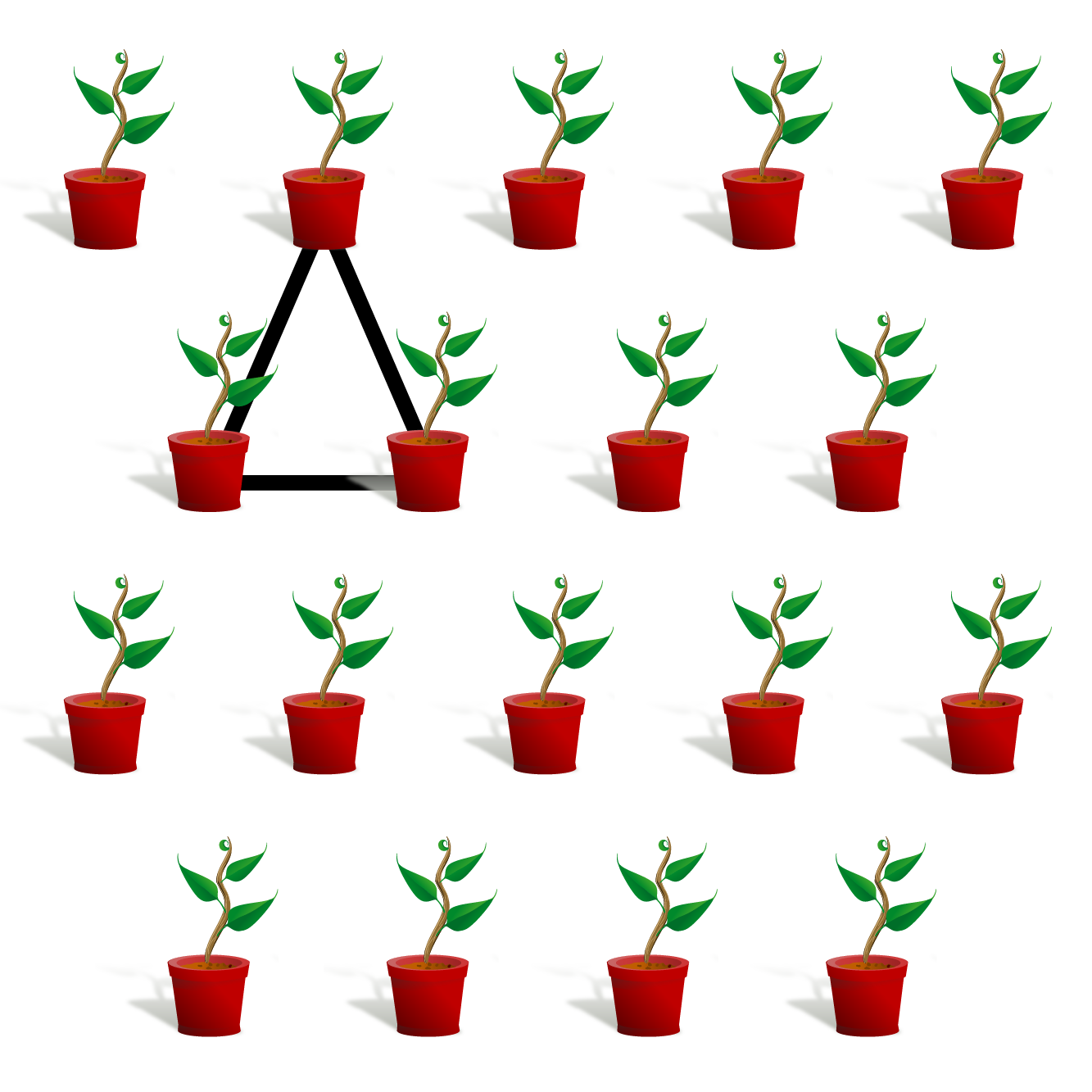
Spacing: Space plants approximately 8–10 feet apart for a screen or group; at that spacing the branches will meet and form a continuous informal hedge.
Maintenance: Remove root suckers promptly, especially any that rise from below the graft union, and keep a layer of mulch over the root zone to hold moisture.
Gardeners choose Diane Witch Hazel for flowers at the time of year when almost nothing else in the landscape is blooming. The copper-red color stands out against evergreens, snow and dormant lawns, and the fall leaves repeat those warm tones months later. It performs best in a sunny spot with steady moisture, planted where people pass by during the coldest months and can see the flowers up close.
Landscape Solutions:
- Winter flowers bring color to entries, walkways and window views when most shrubs are bare.
- Deer resistance makes it a dependable flowering shrub for yards where deer browse other plantings.
- Road salt tolerance suits beds along driveways, sidewalks and streets that receive winter salt.
- Its broad, spreading form serves as a tall informal screen or hedge along a property line.
- Its use for erosion control makes it a practical shrub for planting on slopes and banks.