



Desdemona Leopard Plant
Ligularia dentata ‘Desdemona’Desdemona Leopard Plant, Ligularia dentata ‘Desdemona’, is a bold, clump-forming perennial grown as much for its foliage as for its flowers. Its leathery, rounded, heart-shaped leaves reach up to a foot across, with toothed edges and long, dark purple stalks. New leaves emerge purplish red and mature to brownish green on top, while the undersides stay deep purple. The leafy clump reaches about 2–3 feet tall and 2–3 feet wide.
From midsummer into late summer, sturdy branching stems rise above the leaves to about 3 feet, carrying loose clusters of orange-yellow daisy flowers 2–3 inches across with brown centers. The stems do not need staking, and both flowers and leaves are useful for cutting. Butterflies visit the blooms. The large foliage brings coarse texture to pond and stream edges, bog gardens, rain gardens and shaded borders, and it pairs well with Siberian iris, large hostas and ferns.
Desdemona Leopard Plant needs soil that stays moist at all times, and it handles wet ground where many perennials fail. It grows best in humus-rich clay or loam in partial shade or shade. In hot, humid summers like Maryland’s, afternoon shade is essential; even with enough water, the leaves may droop on hot afternoons and recover overnight. Sites on the north side of a house, under high trees or beside water suit it best.
Care Instructions:
Planting: Plant in spring or early fall in a spot with morning sun and afternoon shade, or in light shade, where the soil stays consistently moist.
Soil: Prefers deep, fertile, humus-rich soil that never dries out; work in compost before planting, and use heavy clay or wet ground where other perennials struggle.
Watering: Keep the soil constantly moist and water deeply during hot, dry weather; leaves that droop by midday signal a need for more water or more shade.
Fertilizing: Top-dress with compost each spring, or apply a balanced slow-release fertilizer as new leaves emerge.
Pruning: Cut flower stems back after blooming if seed heads are not wanted, and remove the foliage once frost kills it in fall.
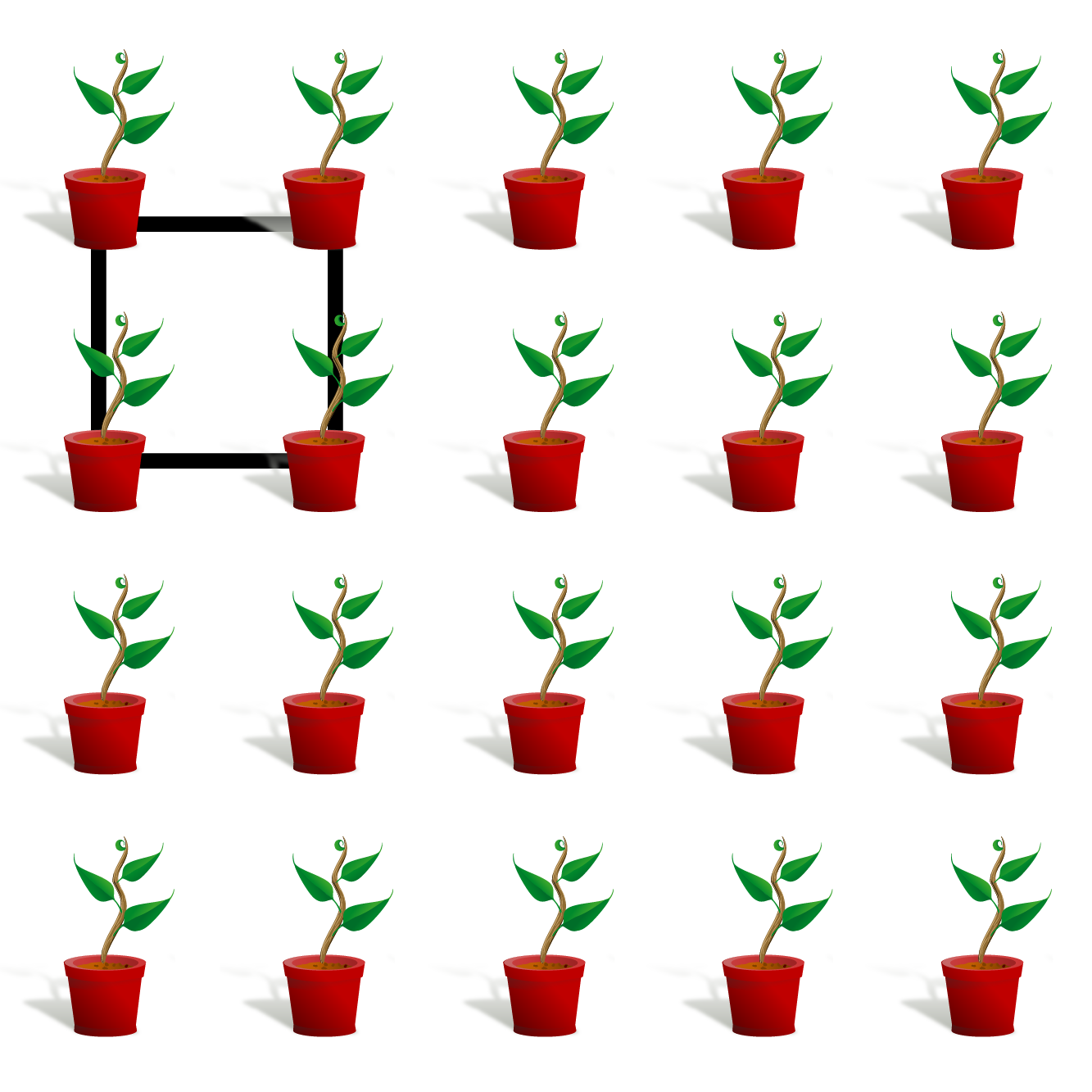
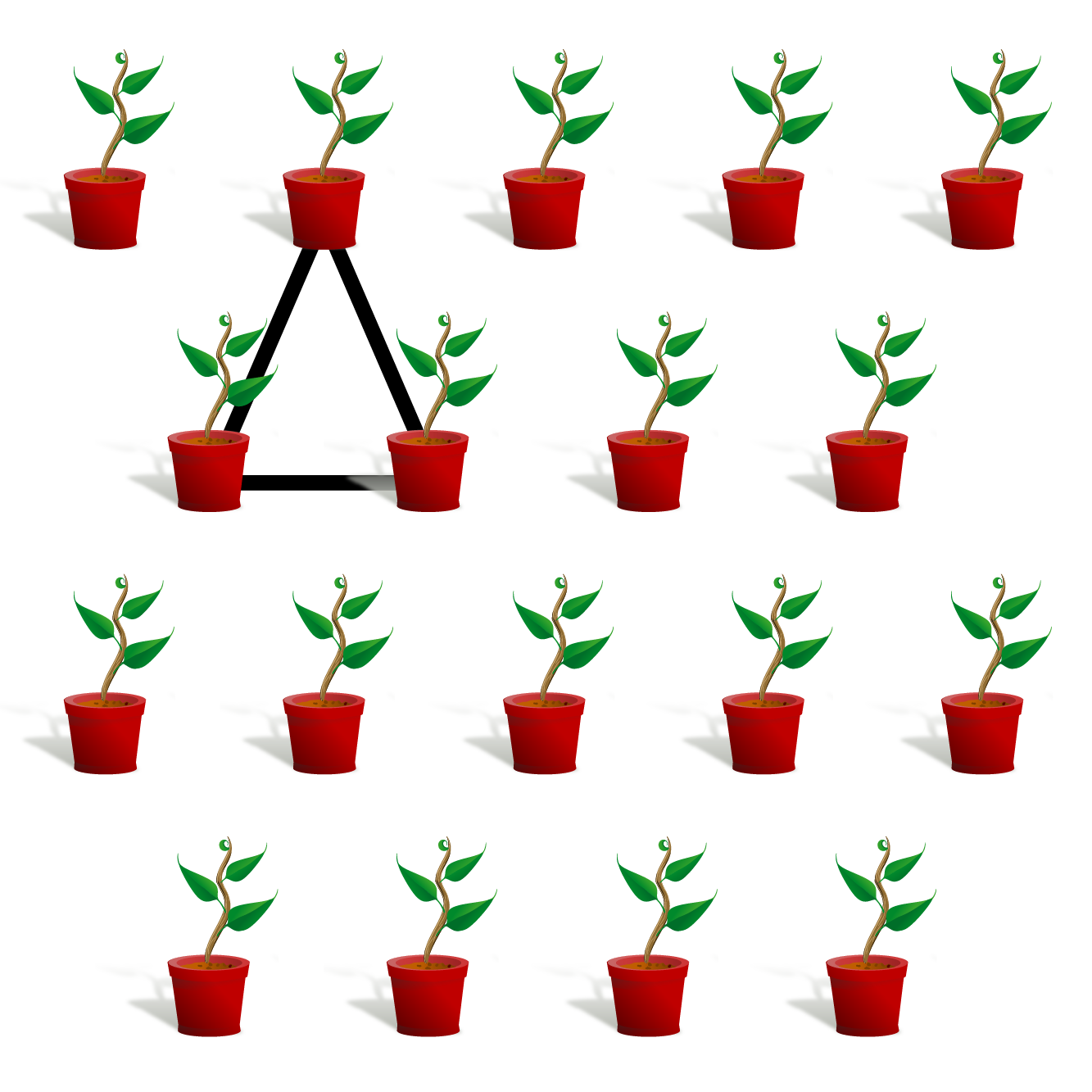
Spacing: Space plants approximately 2–3 feet apart; at the closer spacing the large leaves will meet and form a continuous mass.
Maintenance: Check the leaves for slugs and snails, keep the soil moist through summer, and divide crowded clumps in spring every 3–4 years.
Gardeners choose Desdemona Leopard Plant for its dramatic purple-backed leaves and late-season orange flowers in damp, shaded places where few perennials thrive. It performs best in moist woodland gardens, along ponds and streams, and in low spots that stay wet after rain. Planted in groups, it creates a bold sweep of foliage that contrasts with fine-textured ferns and sedges, and a single plant makes a striking accent in a large, well-watered container.
Landscape Solutions:
- Tolerance of wet soil makes it a strong choice for rain gardens, bog gardens and low spots that stay soggy after storms.
- Large, purple-backed leaves add bold texture to shaded beds on the north side of a house or under high trees.
- Orange-yellow flowers in mid to late summer bring color to shade gardens after most spring bloomers have finished.
- A massed planting along a pond or stream edge covers bare, damp banks with dense foliage.
- Its long-stemmed flowers and large leaves are both useful in cut arrangements.