



Dark Eyes Geranium
Geranium ‘Dark Eyes’ PP33,947Dark Eyes Geranium is a hardy perennial cranesbill grown for its dark foliage and boldly marked flowers. The deeply divided, lobed leaves emerge bronze-purple in spring and mature to a dark greyed green suffused with bronze, holding their deepest color in sun. Plants form a loose, spreading mound about 18–20 inches tall and 18–24 inches wide, with the flower clusters held just above the leaves.
From late spring through summer, loose clusters of vivid magenta flowers open across the plant. Each bloom has a nearly black eye, and dark veins run from the center out across the petals, which gives the plant its name. The flowers provide pollen and nectar for bees and butterflies. In beds and borders, the dark leaves set off silver, chartreuse and blue foliage, while the spreading stems weave between roses, shrubs and taller perennials.
Dark Eyes grows best in full sun to part sun, where the leaves color most deeply. It adapts to clay, loam and sandy soils across a wide pH range, as long as the site drains well and water does not collect around the crown in winter. Once established, it tolerates dry soil and is seldom browsed by deer. A hybrid of meadow cranesbill and Armenian cranesbill, it is hardy in Zones 5–9 and needs only a little seasonal care.
Care Instructions:
Planting: Plant in spring or early fall in a sunny spot, setting the crown at soil level and working compost into heavy clay or very sandy soil.
Soil: Grows in clay, loam or sandy soil with an acid, neutral or alkaline pH; good drainage matters more than soil type, so avoid ground that stays waterlogged.
Watering: Water weekly through the first growing season; once established, plants handle dry spells, though a deep soaking during long droughts keeps the foliage fresh.
Fertilizing: Feed once in spring with a slow-release fertilizer as new growth begins; plants in average garden soil need nothing more.
Pruning: After the first flush of flowers fades, cut the flowered stems and old leaves back to encourage fresh foliage and a second round of blooms.
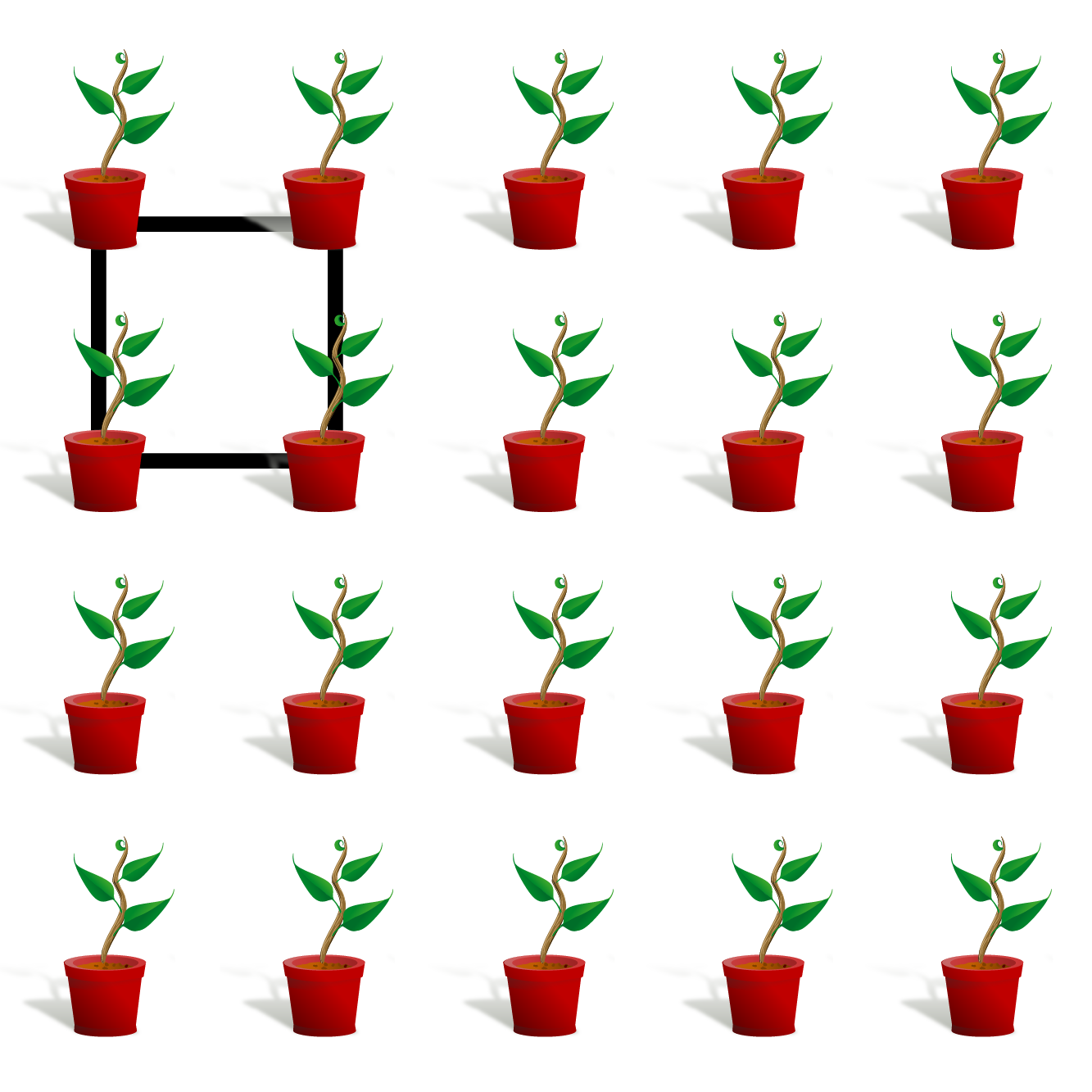
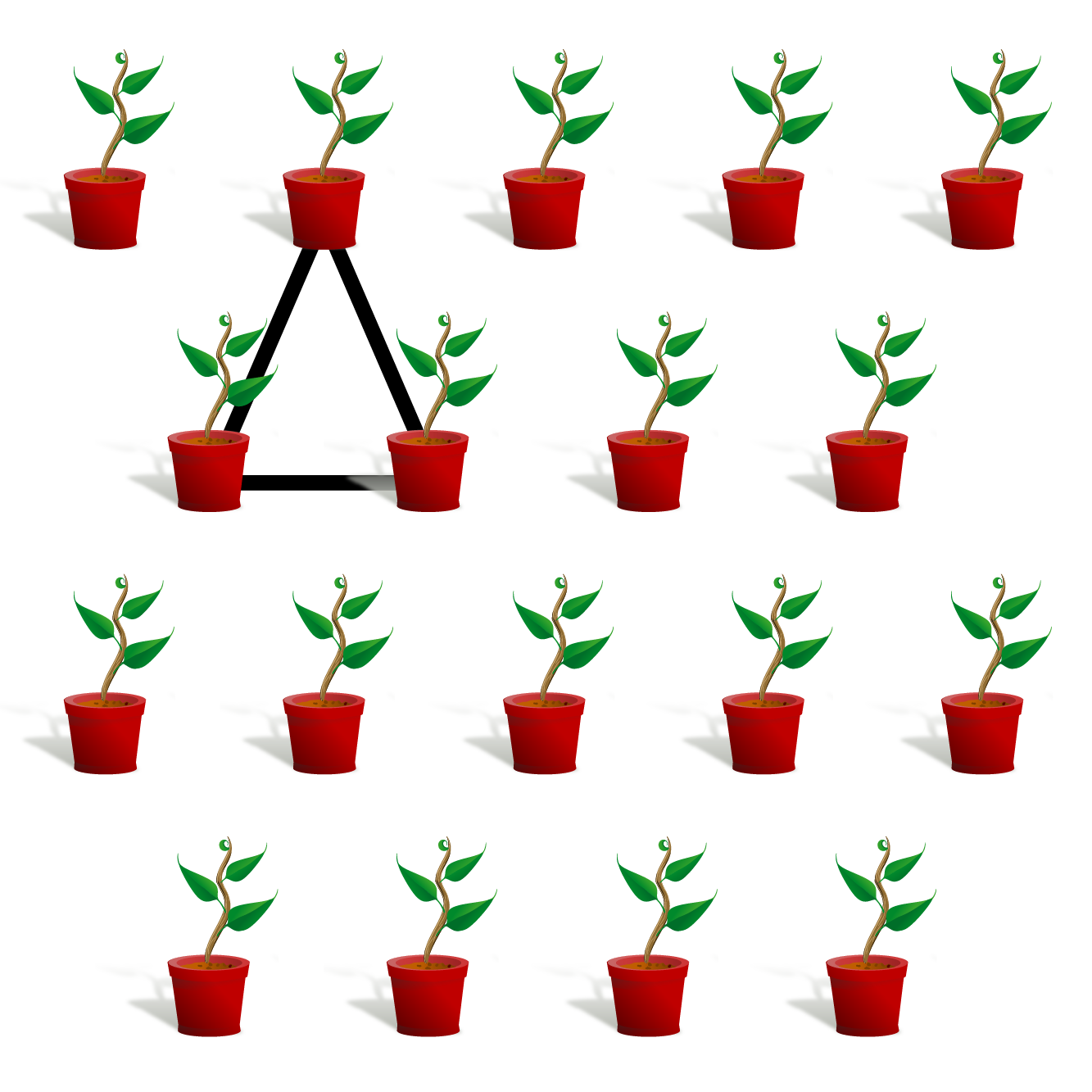
Spacing: Space plants approximately 16–20 inches apart; the spreading mounds will meet and knit into a continuous low cover.
Maintenance: Clear away collapsed foliage in late fall or early spring, watch for slugs on new growth, and divide crowded clumps in spring every few years.
Gardeners choose Dark Eyes Geranium for the contrast between its dark leaves and its bright, dark-centered flowers, a combination that lasts for months rather than weeks. Its spreading habit fills gaps at the front of a border and beneath shrubs without growing tall enough to hide neighboring plants. It performs best in a sunny, well-drained bed or a large container, where the foliage colors fully and a midsummer trim brings on more flowers.
Landscape Solutions:
- Bronze-purple foliage gives a dark accent at the front of sunny borders and contrasts with silver, gold and chartreuse plants.
- Its spreading stems cover bare soil beneath roses and shrubs, working as a low groundcover around their bases.
- Tolerance of dry soil once established makes it useful in beds that are watered only occasionally.
- Deer seldom browse it, which helps in gardens where deer damage other perennials.
- Magenta flowers from late spring into summer supply nectar and pollen for bees and butterflies.