


Cottonwood
Populus deltoidesCottonwood, Populus deltoides, is the large eastern cottonwood native to river bottoms and stream banks across Maryland and much of the United States. Its glossy, triangular leaves are 3–6 inches long with coarse teeth and flattened stems that let them flutter and rustle in the slightest breeze. Young trees grow upright and pyramidal, then open into a broad, vase-shaped crown 75–100 feet tall and 35–60 feet wide.
Small catkins hang from bare branches in early spring, red on male trees and greenish on female trees. Female trees release seeds wrapped in white, cottony fluff in early summer, the source of the common name. Leaves turn yellow in fall, and the smooth gray-green bark becomes deeply furrowed with age. The tree hosts caterpillars of the eastern tiger swallowtail and red-spotted purple butterflies and gives songbirds food and shelter.
Cottonwood needs full sun and grows fastest in moist, deep, loamy soil. It tolerates occasional flooding, wet ground, clay, short droughts and road salt, and accepts soil from acidic to slightly alkaline. Its strengths come with tradeoffs: the wood is soft and brittle, so ice and wind storms can break limbs, and the shallow, wide-reaching roots can lift paving and enter sewer lines. Siting matters more than routine care.
Care Instructions:
Planting: Plant in spring or early fall in full sun, well away from the house, driveways, septic fields and sewer lines, with room for a crown up to 60 feet wide.
Soil: Grows best in moist, deep loam or silty soil and adapts to clay and wet, low ground with a pH from acidic to slightly alkaline.
Watering: Water deeply once or twice a week through the first growing season; established trees handle wet spells and short droughts.
Fertilizing: Fertilizer is rarely needed for this fast grower; a light spring feeding in poor soil is enough.
Pruning: Prune in late winter while the tree is young to keep a single strong leader and remove narrow, weak branch angles that tend to split.
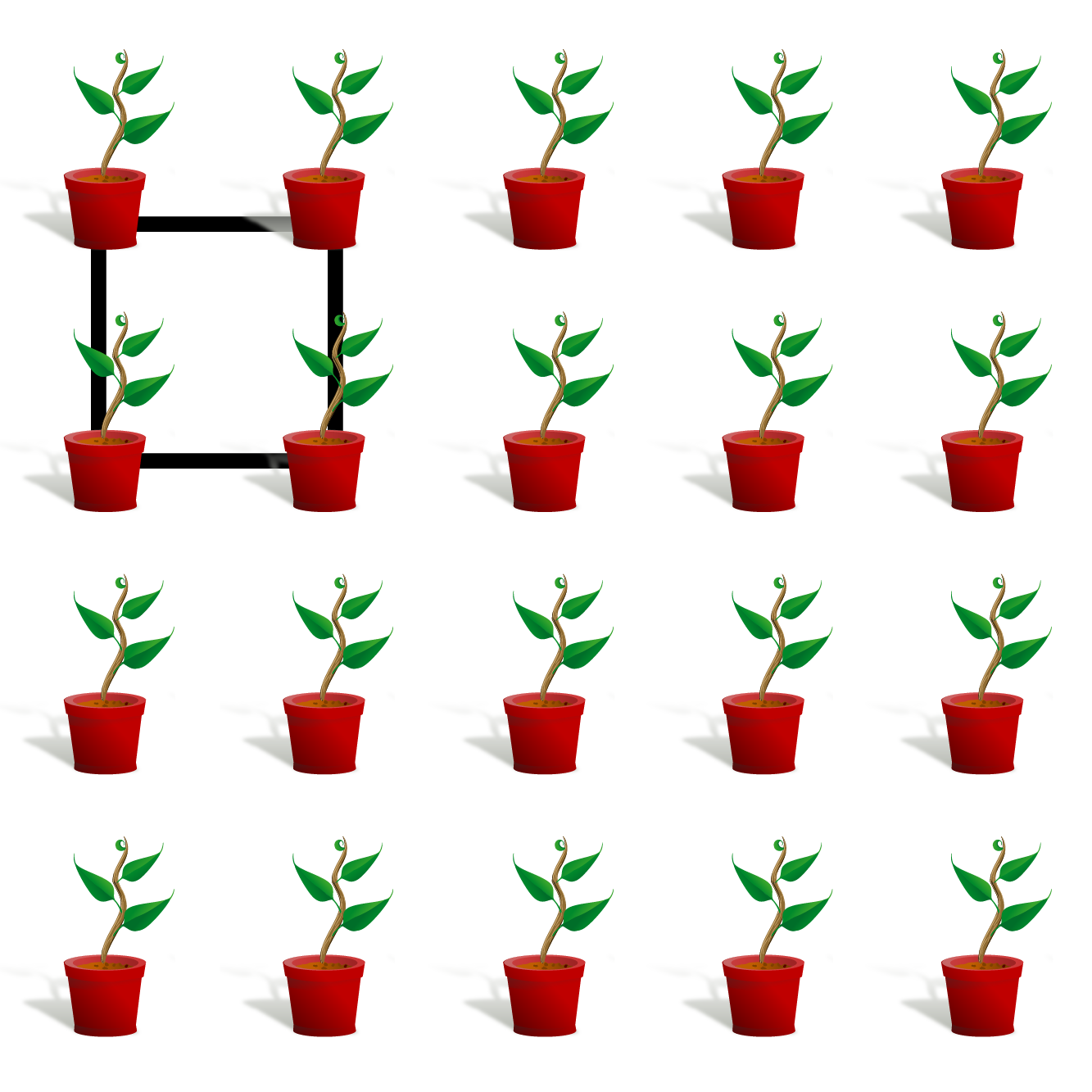
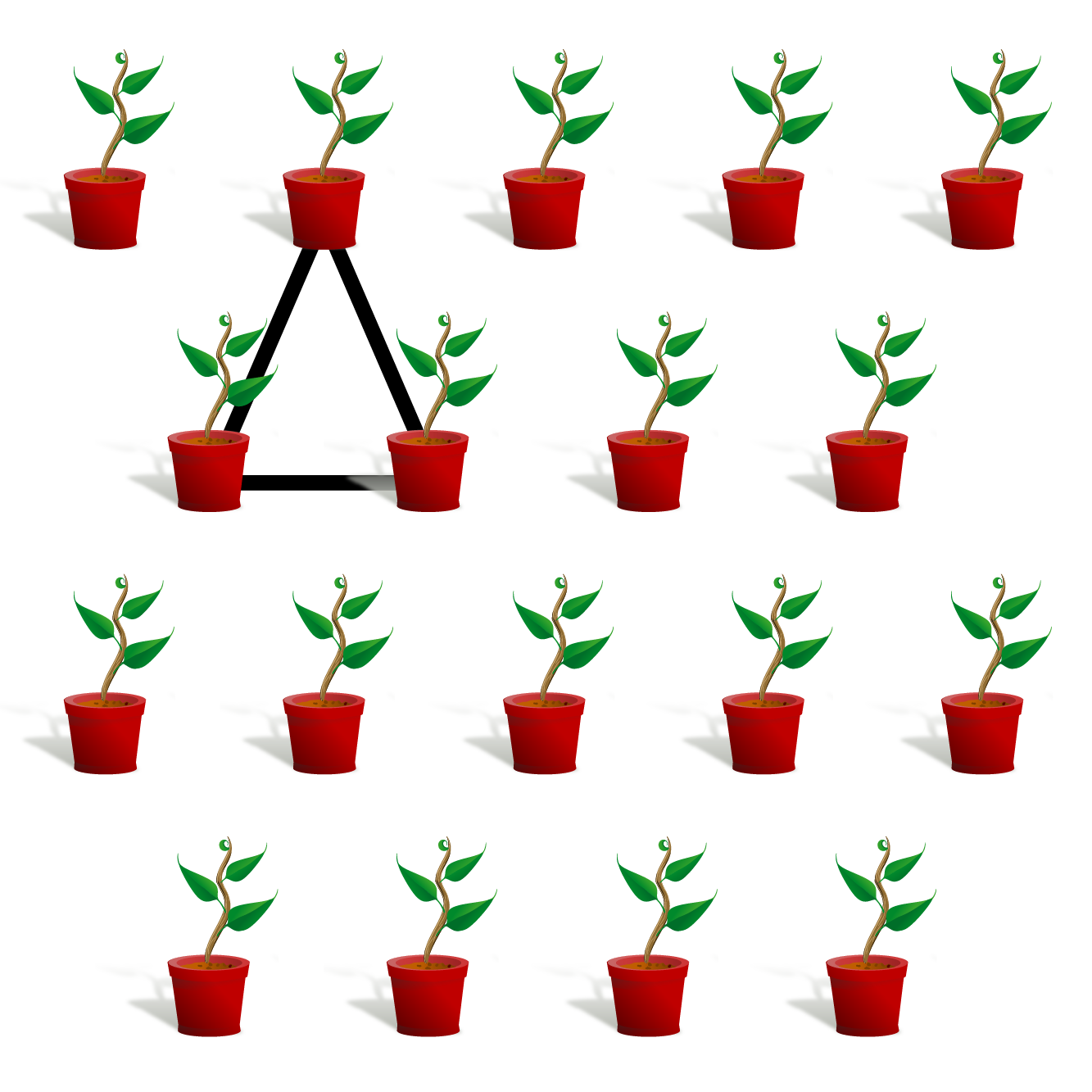
Spacing: Space trees approximately 40–60 feet apart; at the closer end the broad crowns will meet and form a continuous canopy.
Maintenance: Remove root sprouts and seedlings as they appear, rake up fallen twigs and leaves, and have large trees checked for broken limbs after ice storms.
Gardeners choose Cottonwood when they want a native shade tree quickly, often gaining several feet of height a year, on a site where few other large trees will grow. It is a practical choice for wet bottomland, pond and stream banks, and open rural acreage. It performs best in full sun on large properties, far from buildings and pipes, where its height, fluttering leaves and wildlife value can be enjoyed.
Landscape Solutions:
- Very fast growth provides shade on open acreage, pastures and recreation areas years sooner than slower native trees.
- Tolerance of occasional flooding and wet soil makes it useful in low spots and along ponds and streams where other trees decline.
- Its spreading roots help hold stream banks and slopes against erosion.
- Leaves feed eastern tiger swallowtail and red-spotted purple caterpillars, adding butterfly habitat to native plantings.
- Road salt tolerance suits it to large open sites near rural roads that receive winter de-icing salt.