


Columnar European Hornbeam
Carpinus betulus 'Fastigiata', Fastigiate European HornbeamColumnar European Hornbeam is a stately deciduous tree known for its narrow, upright habit and dense, formal appearance. Its dark green, oval leaves have finely toothed edges and create a full canopy during the growing season before turning yellow in fall. Small spring catkins provide subtle seasonal interest, while the smooth gray bark develops an attractive, muscular texture with age. The cultivar’s strong vertical structure gives it a distinctly architectural presence in the landscape.
Growing approximately 30 to 40 feet tall and 15 to 20 feet wide, Columnar European Hornbeam offers a more compact footprint than many traditional shade trees. Its upright habit makes it especially useful for framing entrances, lining driveways, defining property boundaries, or creating formal screens. With age, the crown may broaden slightly while retaining its characteristic vertical form.
Columnar European Hornbeam performs best in full sun to partial shade and adapts to a variety of well-drained soils, including clay and loam. Consistent moisture is beneficial during establishment and extended periods of dry weather, although established trees have some tolerance for drought. Pruning is generally limited to removing damaged, dead, or crossing branches and maintaining the desired shape. Providing adequate space at planting allows the tree to develop its characteristic upright form while reducing the need for corrective pruning.
Care Instructions:
Planting: Plant in full sun to partial shade with room for mature growth.
Soil: Grow in well-drained clay or loam soil.
Watering: Water regularly during establishment and dry periods.
Fertilizing: Fertilize as needed based on soil conditions.
Pruning: Prune to remove damaged branches and maintain form.
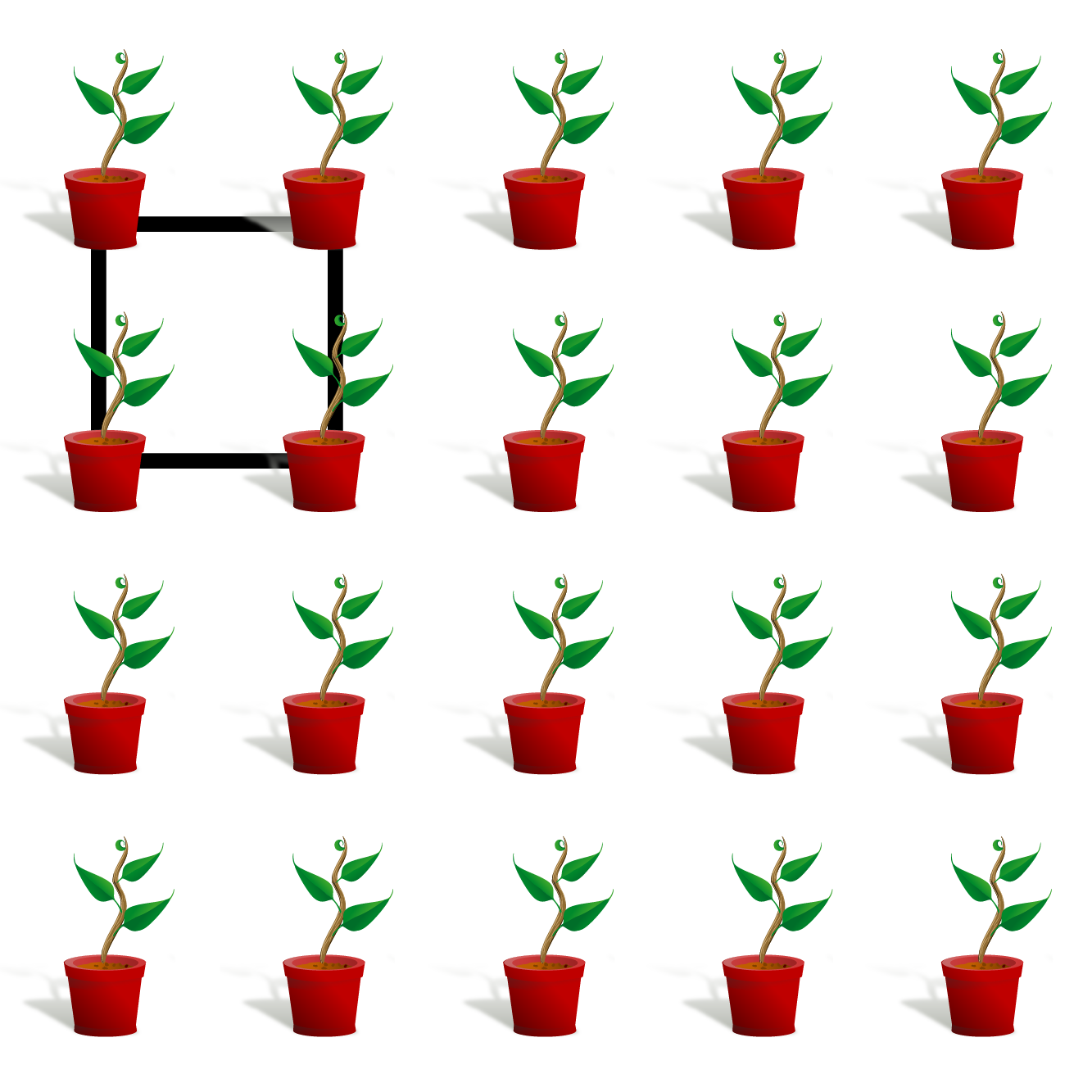
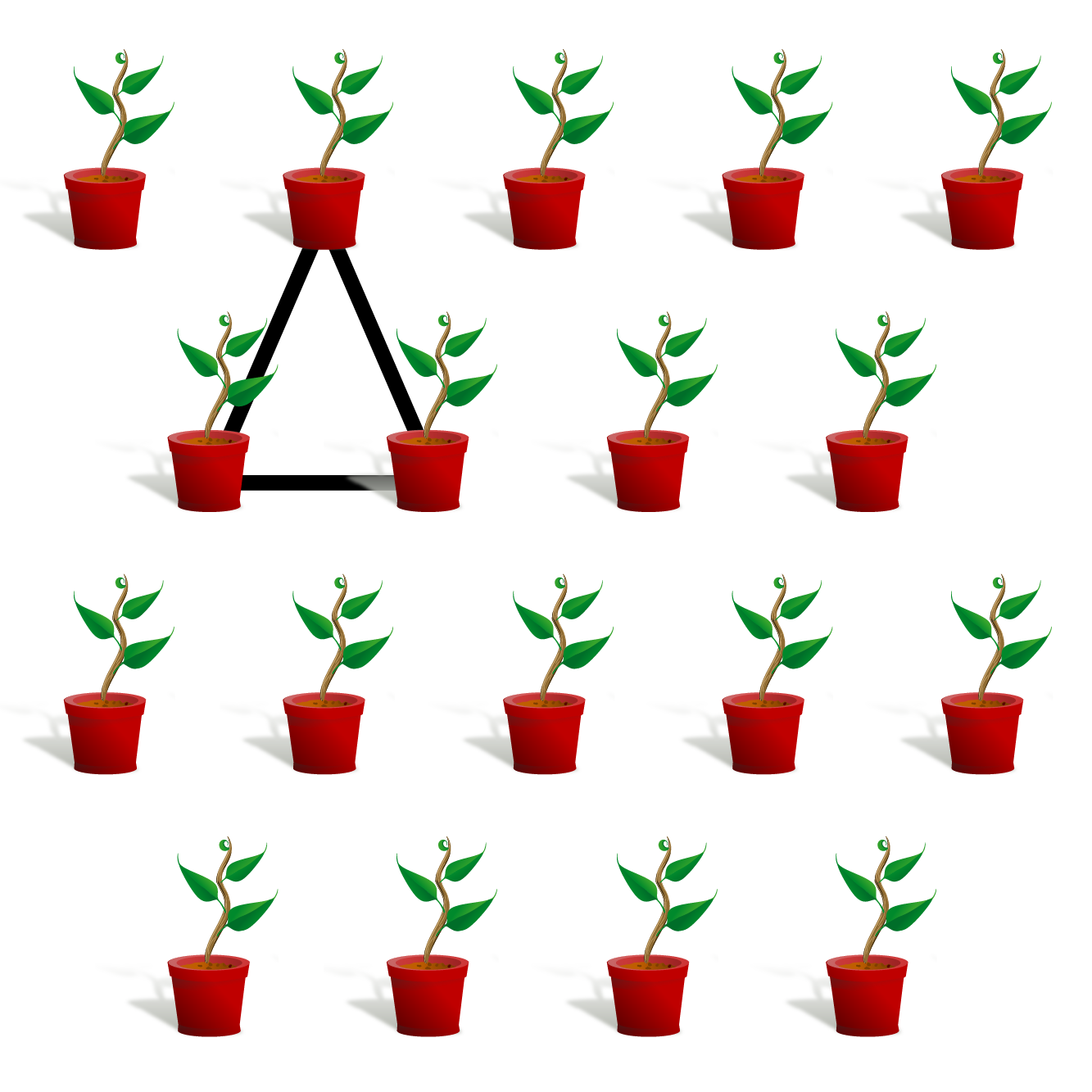
Spacing: Space 15′ – 20′ (ft) apart.
Maintenance: Provide consistent moisture during establishment and monitor plant health.
Columnar European Hornbeam provides elegant structure and dependable seasonal interest in formal and residential landscapes. Its narrow, upright silhouette makes it particularly valuable where vertical emphasis is desired without the broad spread of a traditional shade tree. Dense summer foliage offers a lush appearance, while yellow fall color and textured gray bark extend its ornamental appeal into the cooler months. Whether used as a specimen, screening plant, or architectural accent, this refined cultivar brings a strong sense of order and sophistication to the landscape.