



Carissa Holly
Ilex cornuta ‘Carissa’Carissa Holly is a compact selection of Chinese holly, Ilex cornuta, that forms a dense, rounded evergreen mound about 3–4 feet tall and 4–6 feet wide. Its glossy, leathery, dark green leaves are 2–4 inches long and carry a single small spine at the tip instead of the sharp, many-pointed edges of most hollies. A thin clear rim around each leaf catches the light, giving the foliage a soft shimmer up close.
Small, fragrant, dull-white flowers open in late spring and draw bees, though they are easy to overlook among the leaves. Berries are rare on this female plant, so its value comes from foliage that stays dark green and glossy through every season, including winter. It is widely used for low shrub masses around buildings and parking areas, as a foundation planting, and as a low hedge, where the dense leaves make a solid backdrop for colorful perennials and annuals.
Carissa Holly grows best in full sun to partial shade; in deeper shade it stays healthy, but its branching becomes more open. It adapts to clay, loam and sandy soils, preferably slightly acidic, as long as water does not stand around the roots. Once established, it handles heat and drought well, tolerates some salt, and is seldom browsed by deer. Its main needs are good drainage, steady watering in the first season and occasional checks for pests.
Care Instructions:
Planting: Plant in spring or early fall in a permanent spot with sun to partial shade, since mature plants resent root disturbance; a site sheltered from harsh winter wind helps young plants settle in.
Soil: Prefers well-drained, slightly acidic soil enriched with organic matter; alkaline soil can cause yellowing leaves.
Watering: Water deeply once or twice a week through the first growing season; after that, water only during extended dry spells.
Fertilizing: Apply a fertilizer for acid-loving shrubs in late winter or early spring to keep the leaves dark green and support steady growth.
Pruning: Rarely needs pruning; light shaping can be done almost any time of year, keeping in mind that flowers form on new growth.
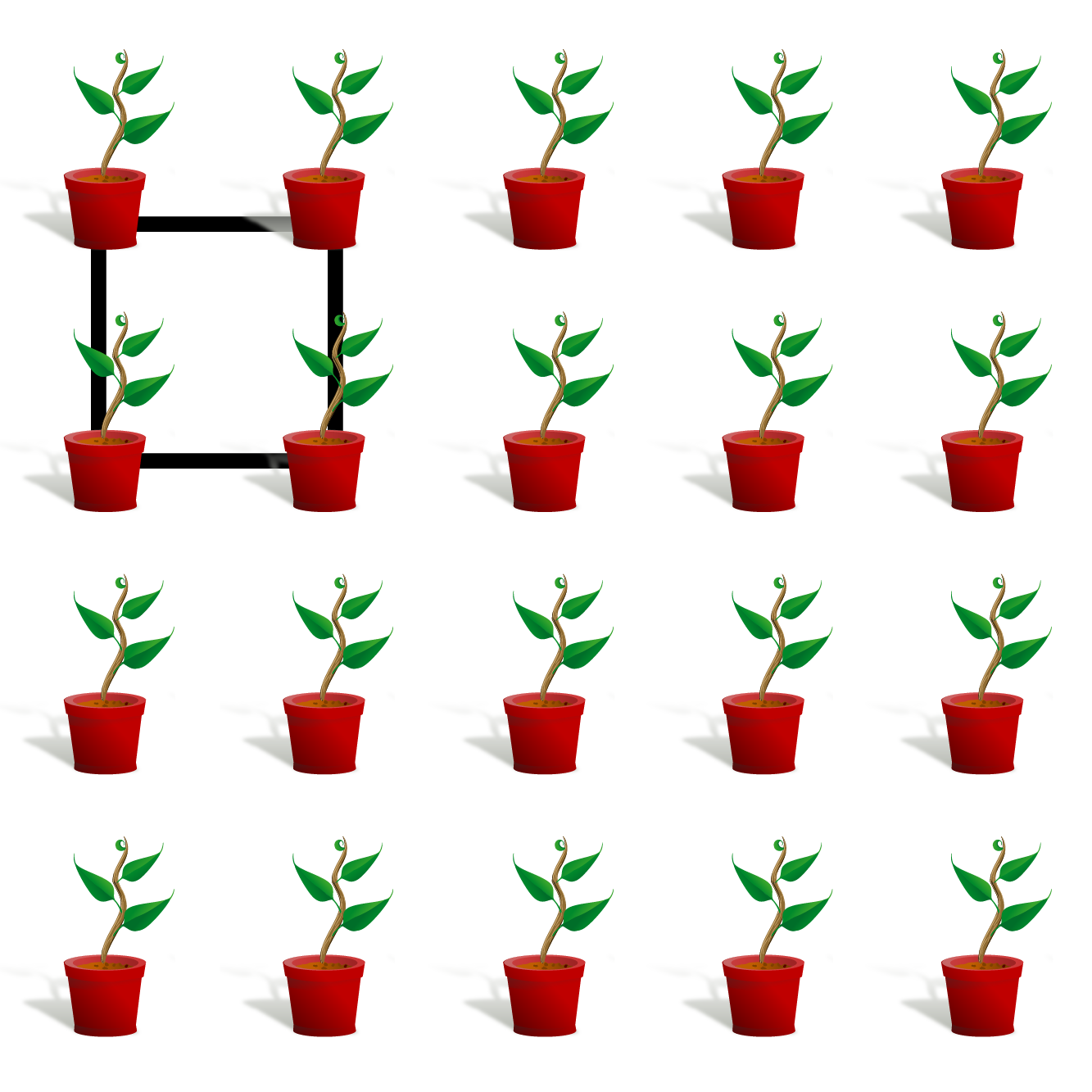
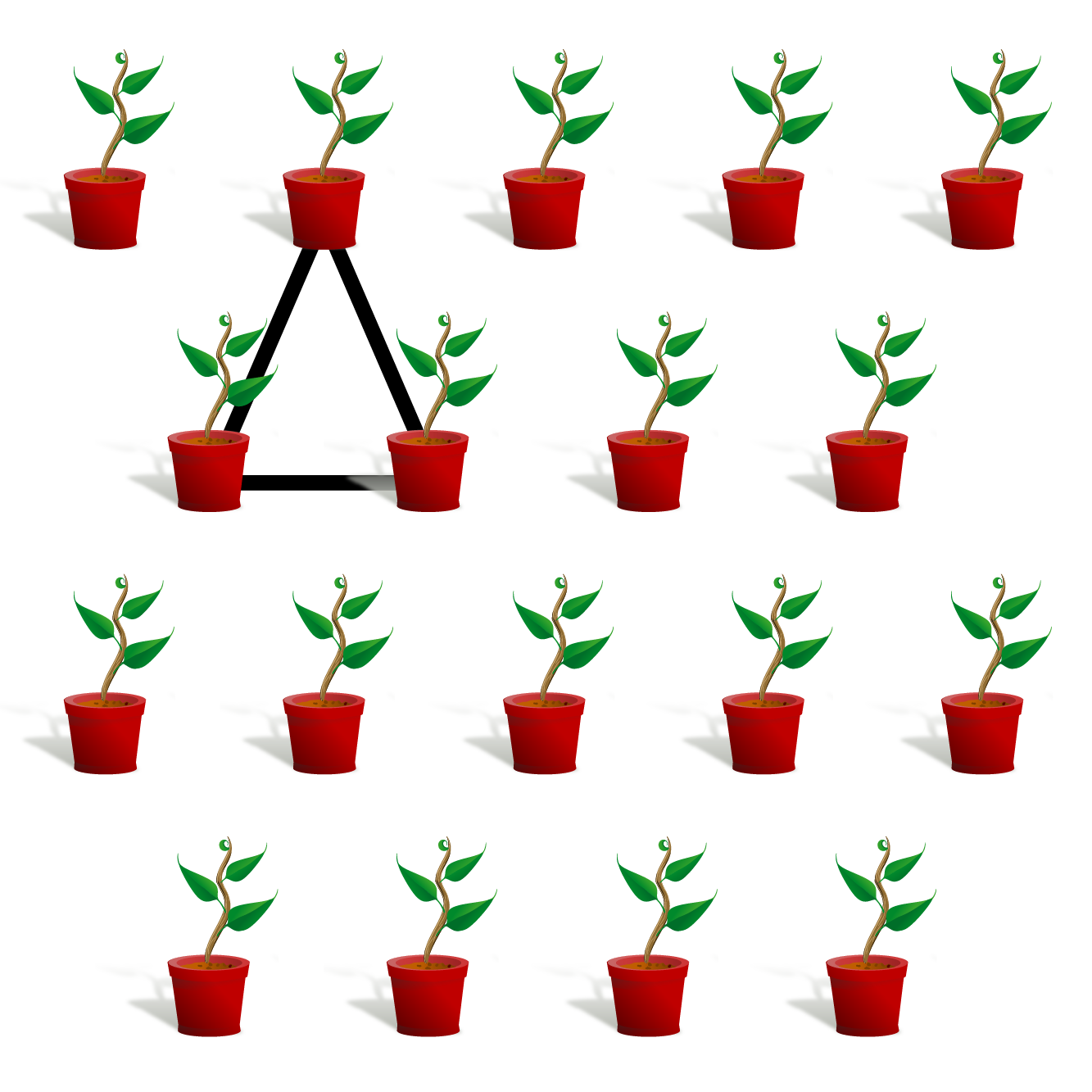
Spacing: Space plants approximately 3–4 feet apart; the mounds will grow into each other and form a continuous low hedge or mass.
Maintenance: Check stems and leaf undersides for scale and aphids, and cut out any shoots that revert to the very spiny leaves of ‘Rotunda’ holly.
Gardeners choose Carissa Holly when they want the polished look of holly in a smaller shrub that is easy to handle. Its nearly spineless leaves make it practical beside walkways, entries and windows, where prickly plants would be a nuisance. It performs best in sunny or lightly shaded beds with good drainage, planted in groups where its even shape creates a tidy, year-round green framework for the rest of the garden.
Landscape Solutions:
- Its low, dense mound forms a uniform evergreen mass around foundations, parking areas and commercial plantings.
- Leaves with only a single tip spine make it a comfortable holly to plant along walks and entries where people brush past.
- Heat and drought tolerance once established help it hold up in sunny, dry beds that stress many evergreens.
- Deer seldom browse it, which helps keep foundation plantings intact where deer pressure is heavy.
- Its salt tolerance makes it a practical choice for beds along driveways and walkways.