



Capistrano Rhododendron
Rhododendron ‘Capistrano’Capistrano Rhododendron is a hybrid evergreen shrub bred by Dr. David Leach of North Madison, Ohio, and valued as one of the few cold-hardy rhododendrons with yellow flowers. Its elliptic, deep green leaves reach about 4 inches long and stay on the plant for two to three years, giving full coverage through winter. The dense, mounding plant grows slowly to about 4–5 feet tall and 5–6 feet wide.
In late spring, usually May into early June, greenish-yellow buds open into dome-shaped trusses of about 15 frilly, funnel-shaped flowers, each about 2 inches across, in soft lemon yellow. The blooms draw bees, butterflies and hummingbirds. After flowering, the evergreen leaves carry the plant through summer, fall and winter. It works as a specimen, in foundation plantings and woodland gardens, in mass plantings, or as an informal hedge or screen.
Capistrano grows best in partial shade, with morning sun and protection from hot afternoon sun, which can scorch the leaves. It needs acidic, moist, well-drained soil rich in organic matter. Good drainage matters most: rhododendron roots rot in waterlogged ground, so heavy clay should be amended and the plant set slightly high. A sheltered site out of drying winter wind keeps the foliage in good condition, and a few simple steps keep it healthy.
Care Instructions:
Planting: Plant in spring or early fall in a site with morning sun and afternoon shade, setting the top of the root ball slightly above the surrounding soil.
Soil: Prefers acidic, organically rich, moist but well-drained soil; mix in compost or peat moss at planting and avoid alkaline sites, which cause yellowing leaves.
Watering: Water deeply each week through the first season and during dry spells afterward, keeping the soil evenly moist but never soggy.
Fertilizing: Feed lightly in early spring with a fertilizer made for acid-loving plants, avoiding heavy applications.
Pruning: Prune only right after flowering so next year’s flower buds are not removed, and snap off spent trusses to keep the plant tidy.
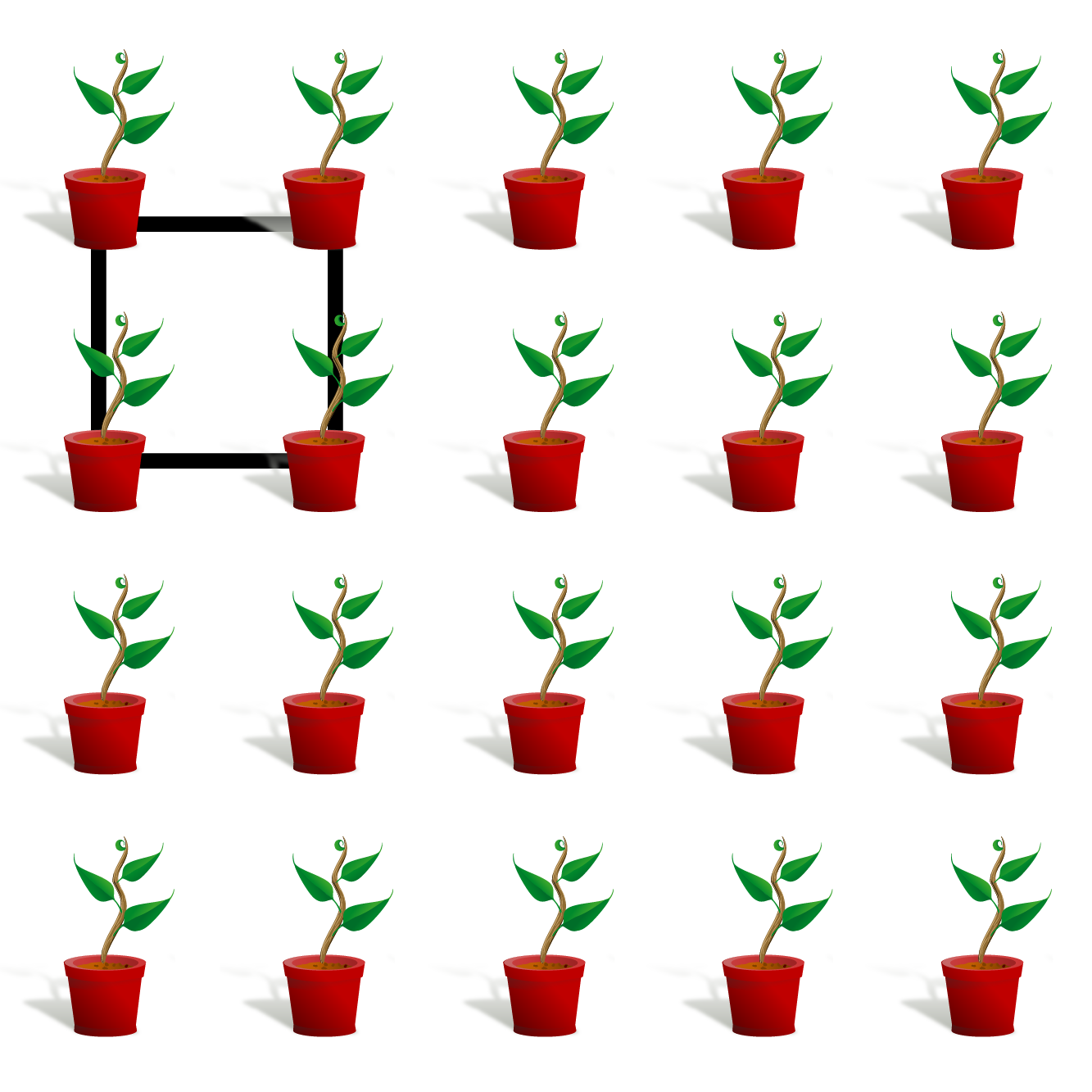
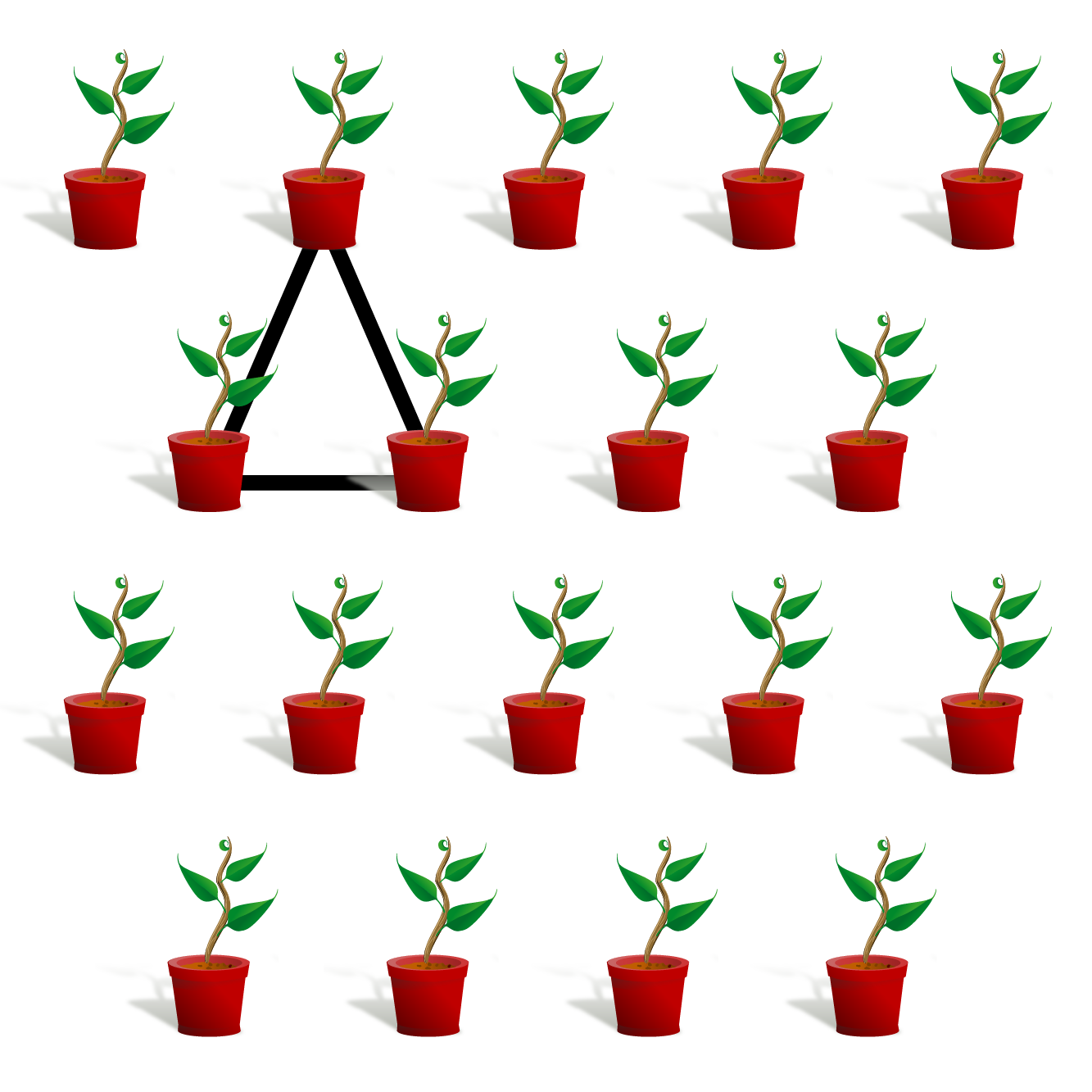
Spacing: Space plants approximately 5–6 feet apart so each mound develops its full width, with neighboring plants just touching at maturity.
Maintenance: Keep a 2–3 inch layer of mulch over the roots, thicker in exposed sites for winter, and check leaf undersides in summer for lace bugs.
Gardeners choose Capistrano Rhododendron for its uncommon flower color in a plant hardy enough for cold winters. Its pale yellow trusses brighten shaded beds where pink, purple and white rhododendrons are the usual choices, and its compact, dense form fits foundation plantings that larger rhododendrons would outgrow. It performs best in sheltered, partly shaded sites with acidic, well-drained soil.
Landscape Solutions:
- Lemon-yellow spring flowers add a color rarely found among cold-hardy rhododendrons to shaded beds.
- Dense evergreen foliage gives foundation plantings year-round structure on north and east sides of a house.
- Its compact, mounding size suits beds that larger rhododendrons would quickly outgrow.
- Planted in a row, it forms an informal flowering hedge or screen in partial shade.
- Its acid-soil and shade preferences make it a natural fit for woodland gardens beneath tall trees.