


Blackgum
Nyssa sylvaticaBlackgum is a native deciduous tree known for its dark, glossy leaves and some of the most dependable red fall color of any eastern tree. The leathery, oval leaves measure 3–6 inches long and are pale green underneath. Young trees are pyramidal, with slender branches held almost at right angles to a straight trunk, and they develop an irregular, more open crown with age. Growth is slow, and mature trees typically reach 40–50 feet tall and 20–30 feet wide.
In fall the leaves turn scarlet, orange, yellow and purple, often early in the season. Small greenish flowers open in late spring and are not showy, but bees work them heavily, and they are the nectar source for tupelo honey. Trees are largely male or female, and female trees near a male bear small blue-black fruit in September and October that thrushes, wild turkeys and other wildlife eat. Thick bark breaks into dark, blocky plates that add texture in winter.
Blackgum grows best in full sun to partial sun in moist, acidic soil and adapts to clay, loam or sand. Once established it tolerates heat, drought, compacted soil, occasional flooding and moderate salt. It will not grow well in alkaline soil and is sensitive to air pollution. A long taproot makes it difficult to move later, so it should be planted in its permanent spot from the start.
Care Instructions:
Planting: Plant in spring, when the sensitive roots recover best, in a permanent, sunny site with room for a 20–30 foot canopy.
Soil: Prefers moist, acidic soil with a pH of 6.5 or lower; test the soil first, since alkaline soil causes yellow leaves and slow decline.
Watering: Water deeply once a week through the first two growing seasons; established trees handle both dry spells and periods of standing water.
Fertilizing: Fertilize only when a soil test shows a need; regular watering in the early years does more to speed its slow growth.
Pruning: Prune in fall if needed, removing crossing or damaged branches and keeping a single leader on young trees.
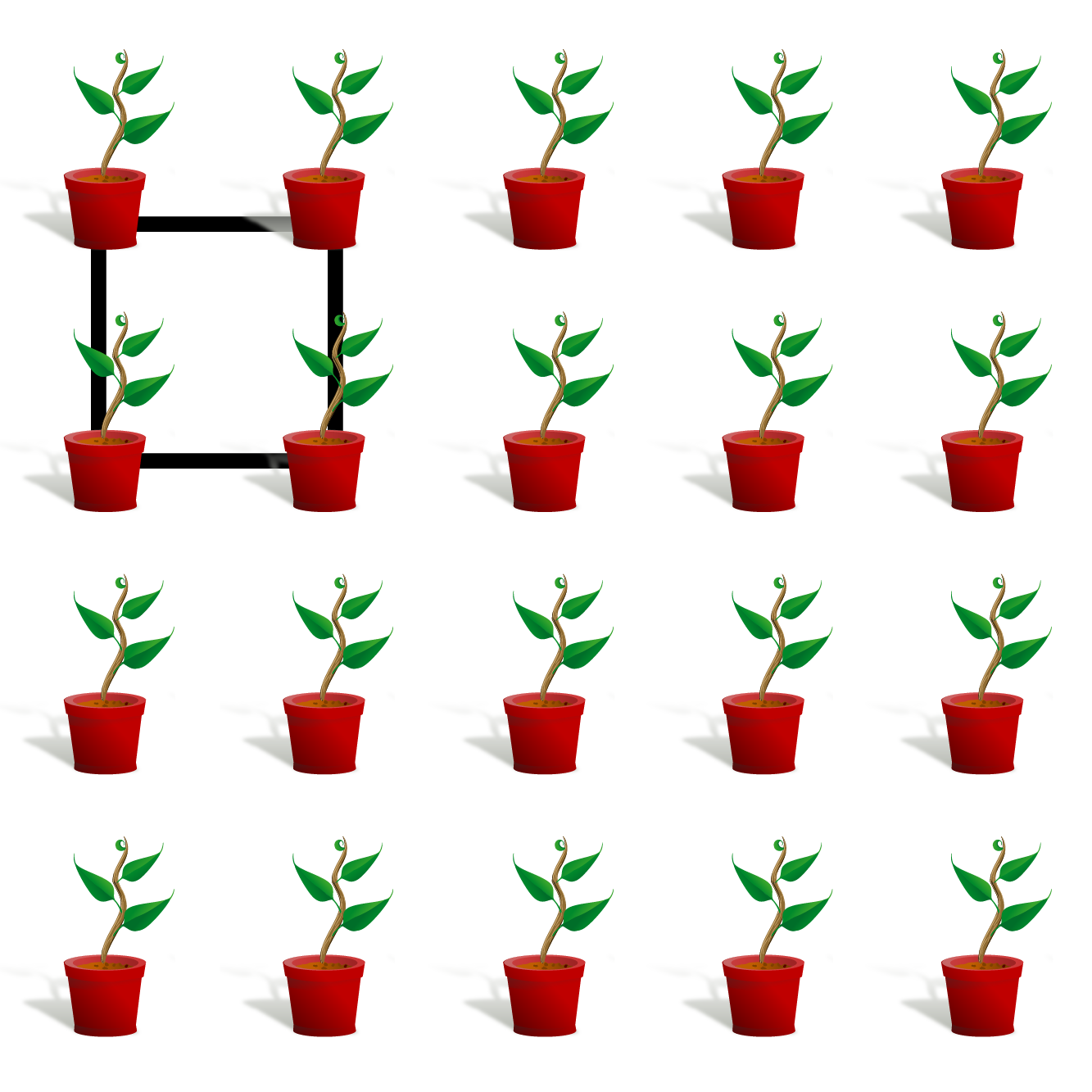
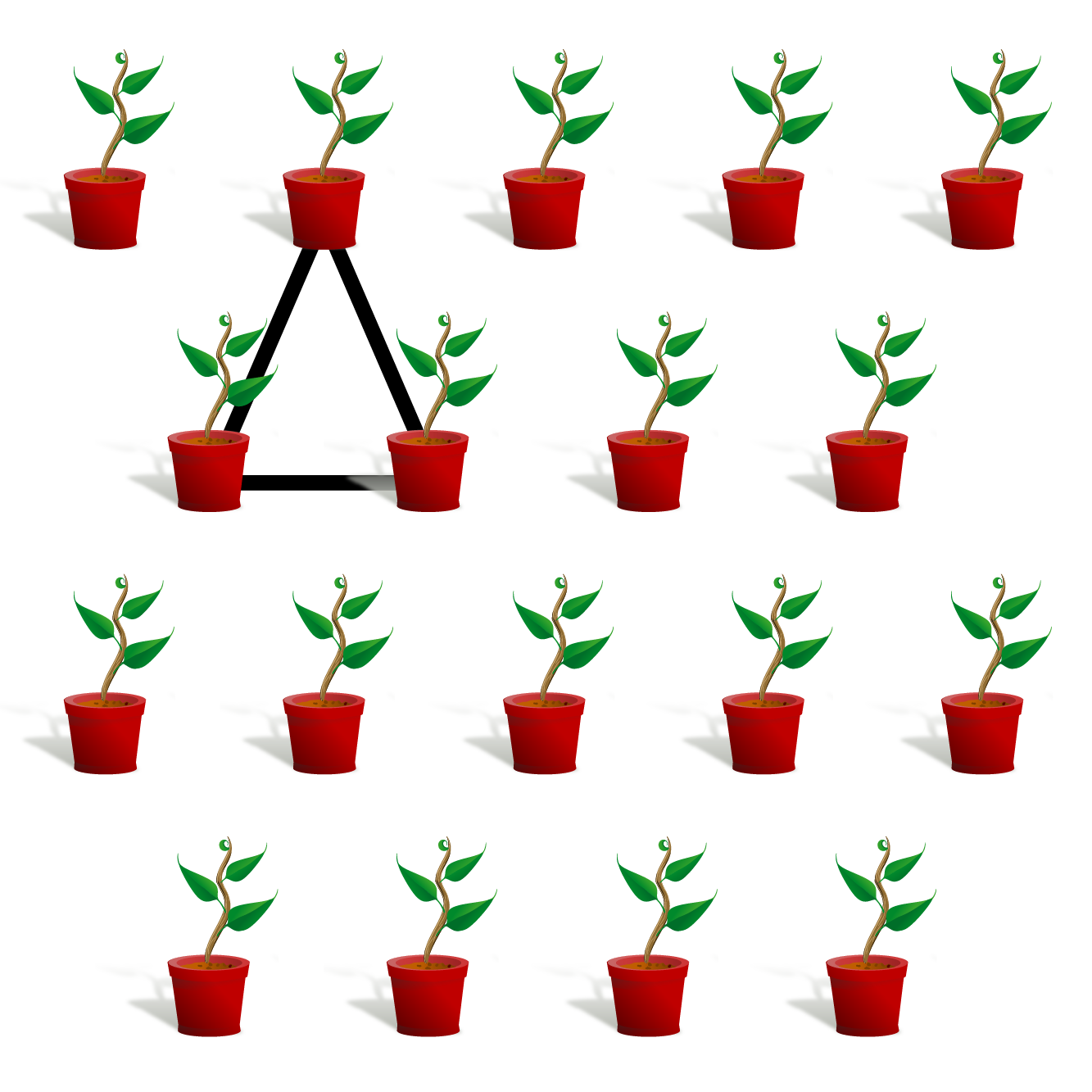
Spacing: Space trees approximately 20–30 feet apart; at the closer end of that range, neighboring canopies will meet as the trees mature.
Maintenance: Keep mulch pulled back from the trunk, watch for leaf spot and scale, and expect some black spotting on summer leaves that rarely harms the tree.
Gardeners choose Blackgum for brilliant fall color on a long-lived tree native to Maryland, with glossy summer leaves and striking winter bark and branching. Its value to bees and fall-migrating songbirds makes it a strong choice for native and wildlife plantings. It performs best as a specimen, lawn or street tree in acidic soil, including low spots that stay wet for part of the year.
Landscape Solutions:
- Tolerance of both wet and dry soil makes it useful in low areas and rain gardens where many trees struggle.
- Reliable scarlet fall color provides a bright focal point in a lawn or along a property line.
- Moderate salt and compaction tolerance suits it to street plantings and sites near driveways that receive winter road salt.
- Spring flowers feed honeybees and native bees, and fruit on female trees feeds migrating songbirds in fall.
- A moderate 20–30 foot spread gives shade to a medium-sized yard without the bulk of a large oak or maple.