



Austrian Pine
Pinus nigraAustrian Pine, Pinus nigra, is a sturdy evergreen from central and southern Europe, grown for its dense, dark green crown. Its stiff, sharply pointed needles are 3–6 inches long and held in pairs, giving the tree a coarse, full texture. Young trees grow as dense, broad pyramids with stout, spreading branches on a straight trunk. With age the lower limbs drop and the crown rounds into a dome, reaching 40–60 feet tall and 20–40 feet wide.
The needles stay dark green through winter, making it a steady backdrop when deciduous trees are bare. Small yellow pollen cones appear in late spring, followed by oval brown cones 2–3 inches long that ripen in fall and point outward from the branches. The bark becomes dark gray to nearly black with deep furrows and flat ridges. Songbirds and small mammals use the dense branches for cover, and the tree serves as a specimen, screen or windbreak.
Austrian Pine needs full sun and adapts to clay, loam and sand from acidic to alkaline, as long as the soil drains. Once established, it tolerates drought, poor dry soils, urban pollution and salt spray, which suits it to sites near roads treated with winter de-icing salt. It is, however, prone to Diplodia tip blight, a fungal disease that is worst on stressed trees, so steady care in the first years matters.
Care Instructions:
Planting: Plant in spring or early fall in full sun, in well-drained soil with room for a crown up to 40 feet wide, and set the root ball no deeper than it grew.
Soil: Adapts to clay, loam or sandy soil with a pH from acidic to alkaline, but avoid soggy, poorly drained ground.
Watering: Water deeply and regularly through the first growing season, then water during extended dry spells, since drought stress raises the risk of tip blight.
Fertilizing: Apply fertilizer in early spring only if growth is weak, and never give high-nitrogen fertilizer to a tree showing blight symptoms.
Pruning: To keep the tree denser, shorten the new candles by about half in spring while they are still soft; prune only in dry weather.
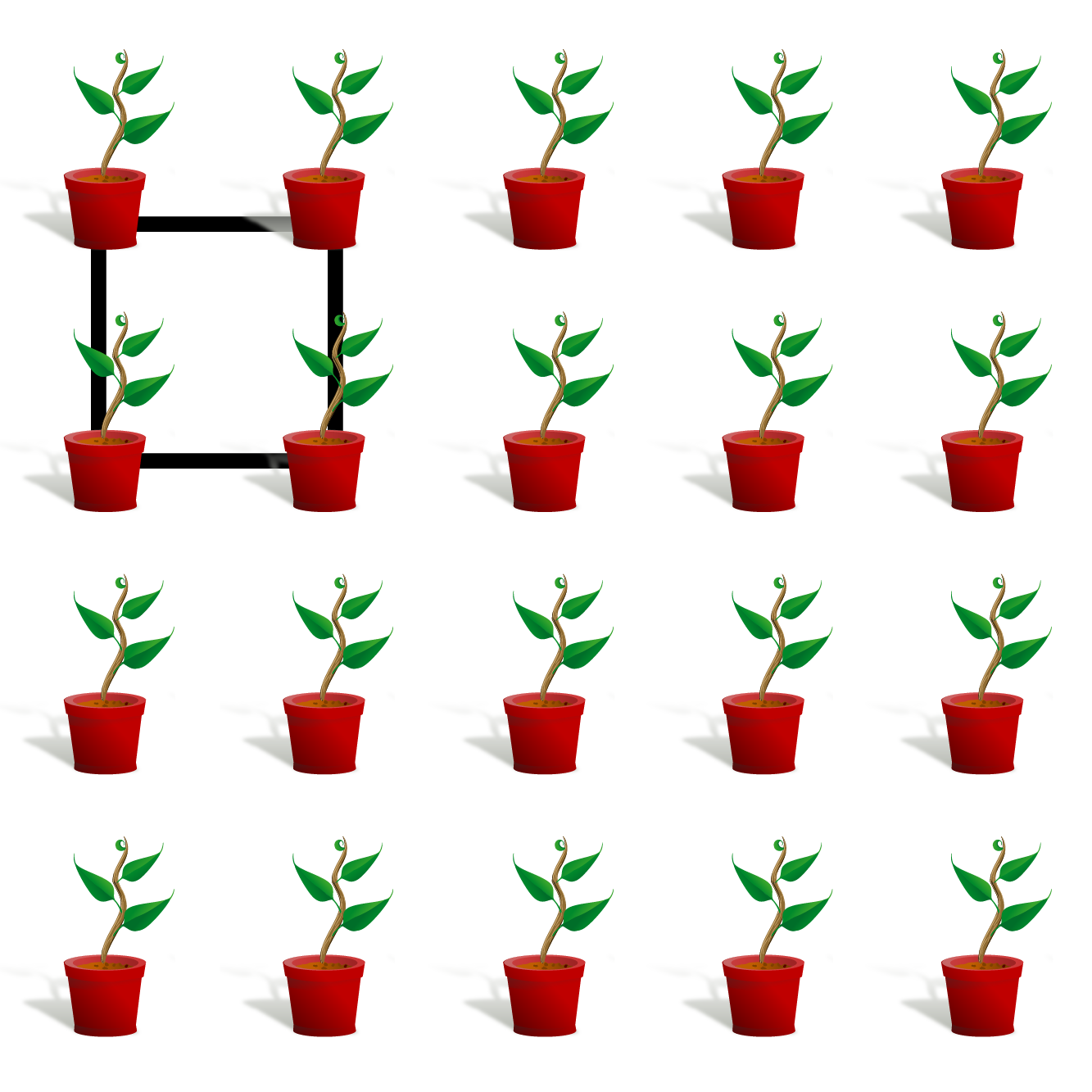
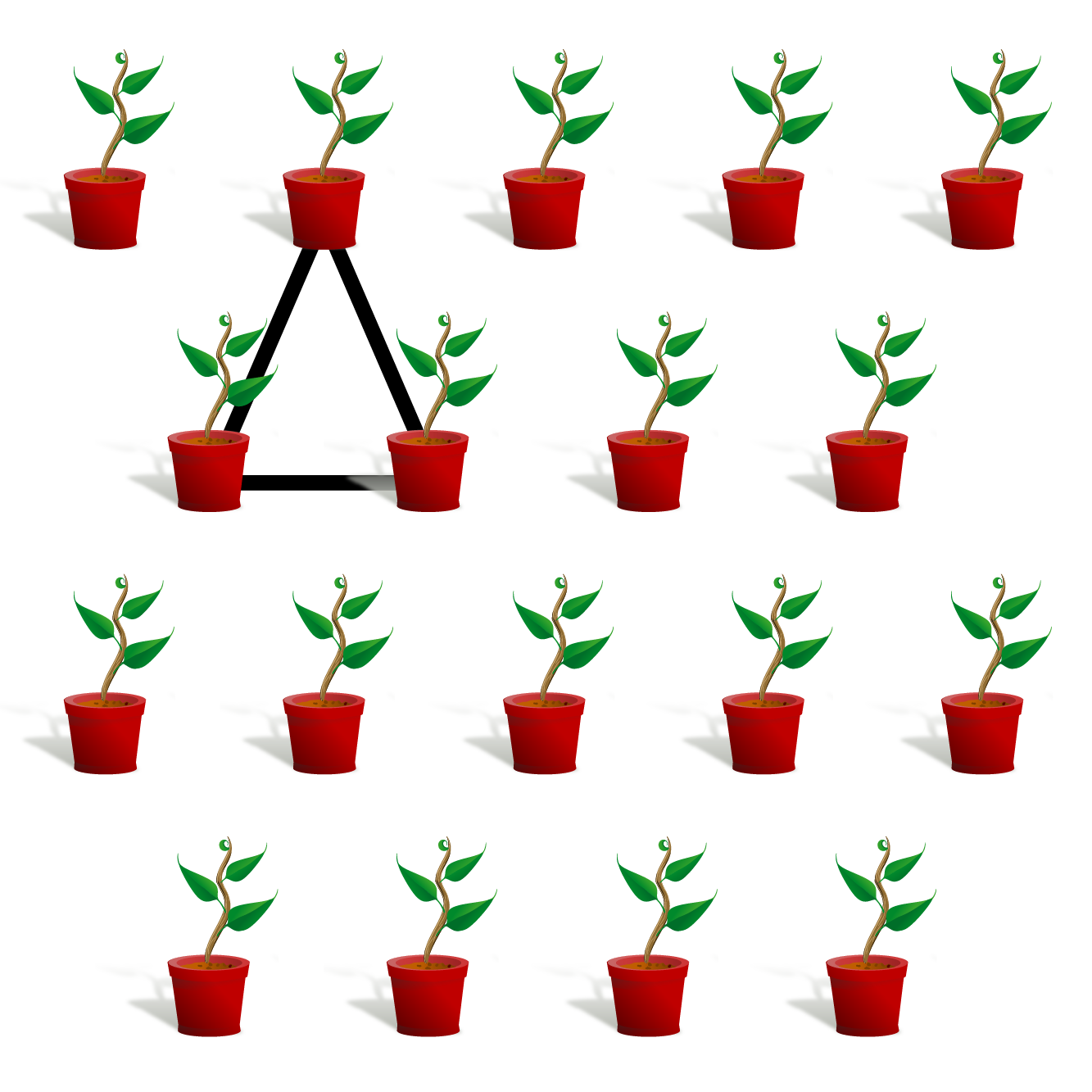
Spacing: Space trees approximately 20–30 feet apart for a screen or windbreak; the branches will meet and form a continuous evergreen wall.
Maintenance: Mulch the root zone and check each spring for stunted, straw-colored new shoots on lower branches, a sign of tip blight; remove infected shoots in dry weather and clean pruners with bleach.
Gardeners choose Austrian Pine for fast, year-round screening on sites where many evergreens struggle, such as dry, salty or compacted ground. Its dark color and heavy texture contrast well with lighter green conifers and flowering trees. It performs best in full sun on open properties with good drainage, where it gets room to spread and enough water in dry summers to stay vigorous.
Landscape Solutions:
- Dense, dark green branches create a year-round privacy screen or windbreak along property lines.
- Salt spray tolerance makes it useful near roads, driveways and walks that receive winter de-icing salt.
- Tolerance of dry, poor and clay soils suits it to difficult urban and roadside sites.
- Deer resistance helps it hold up in rural and suburban yards where browsing damages other evergreens.
- Its broad pyramidal form makes a strong specimen tree on large lawns and open properties.