


Anna Apple
Malus domestica ‘Anna’Anna Apple is a low-chill apple variety developed for warmer climates, making it a useful choice for gardeners who want to grow their own fruit where many traditional apple varieties may struggle to receive enough winter chill. It produces medium to large apples with green to yellow-green skin covered by an attractive red blush or striping. The flesh is crisp, juicy, and sweet with a mild tartness, making the fruit especially enjoyable when eaten fresh.
Fragrant white flowers with soft pink coloring appear very early in spring, attracting bees and other pollinators before developing into a heavy crop of apples. One of Anna’s standout characteristics is its exceptionally early harvest. Fruit can ripen as early as late spring or early summer, depending on growing conditions, making it one of the first apples available from the home orchard. The fruit is useful for fresh eating as well as cooking and baking.
Anna was developed specifically for areas with relatively mild winters and requires only about 200 chill hours, considerably less than many traditional apple cultivars. This low chill requirement makes it particularly well-suited to warmer growing regions, while its hardiness range also allows it to be grown in much of the Mid-Atlantic. The tree performs best in full sun with fertile, well-drained soil and consistent moisture during the growing season.
Care Instructions:
Planting: Plant in full sun with good air circulation and sufficient space for the mature tree size determined by its rootstock. Avoid low areas where cold air and excess moisture collect.
Soil: Use fertile, well-drained soil. Anna tolerates clay, loam, and sandy soils but performs best when the root zone drains well and contains adequate organic matter.
Watering: Provide consistent moisture during establishment, flowering, and fruit development. Water deeply during prolonged periods of heat or drought while avoiding constantly saturated soil.
Fertilizing: Apply a balanced fruit-tree fertilizer in early spring based on soil conditions and tree growth. Avoid excessive nitrogen, which can encourage leafy growth at the expense of fruit production.
Pruning: Prune in late winter while the tree is dormant to remove dead, damaged, crossing, or poorly positioned branches and maintain an open canopy. Thin developing fruit clusters to improve fruit size and reduce excessive crop loads.
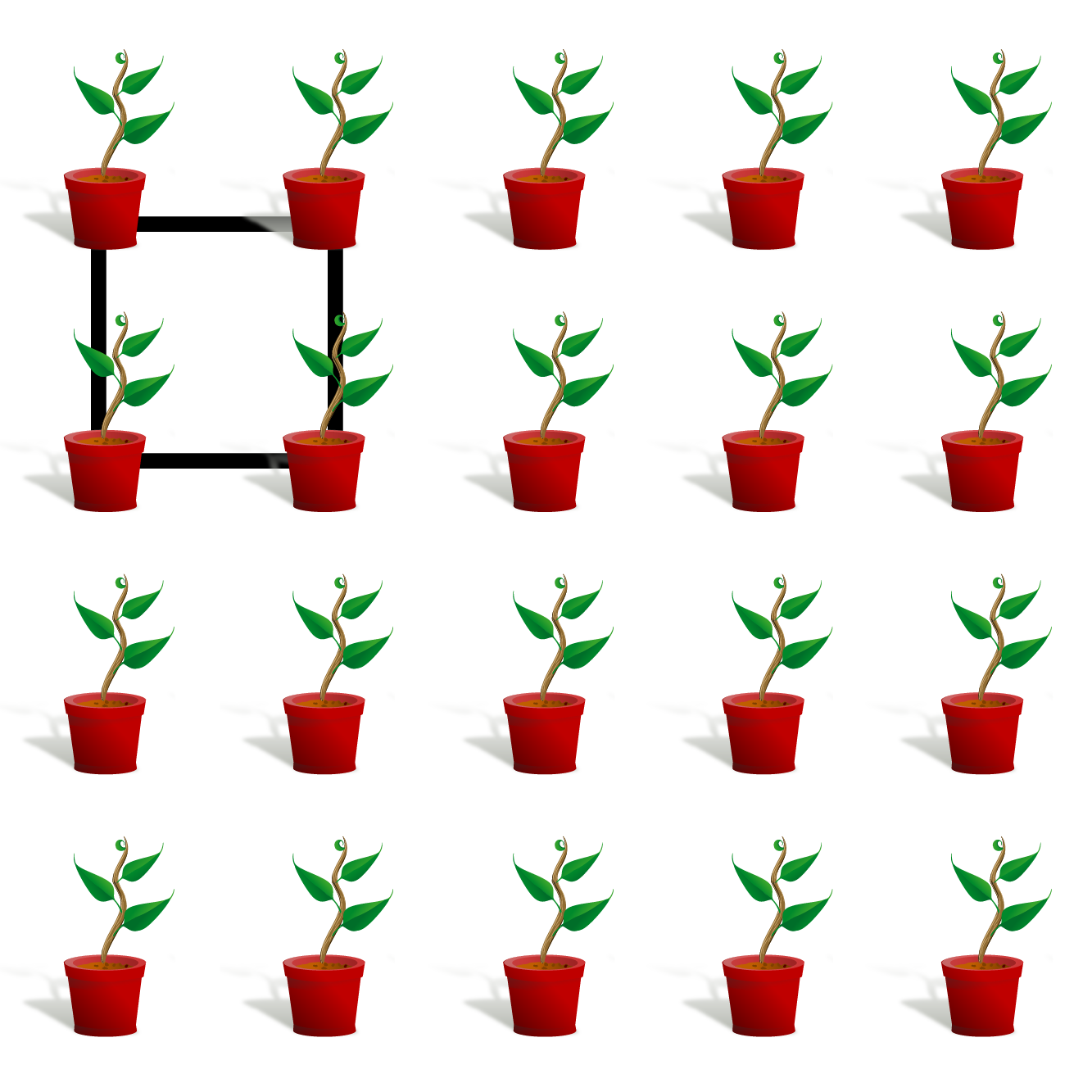
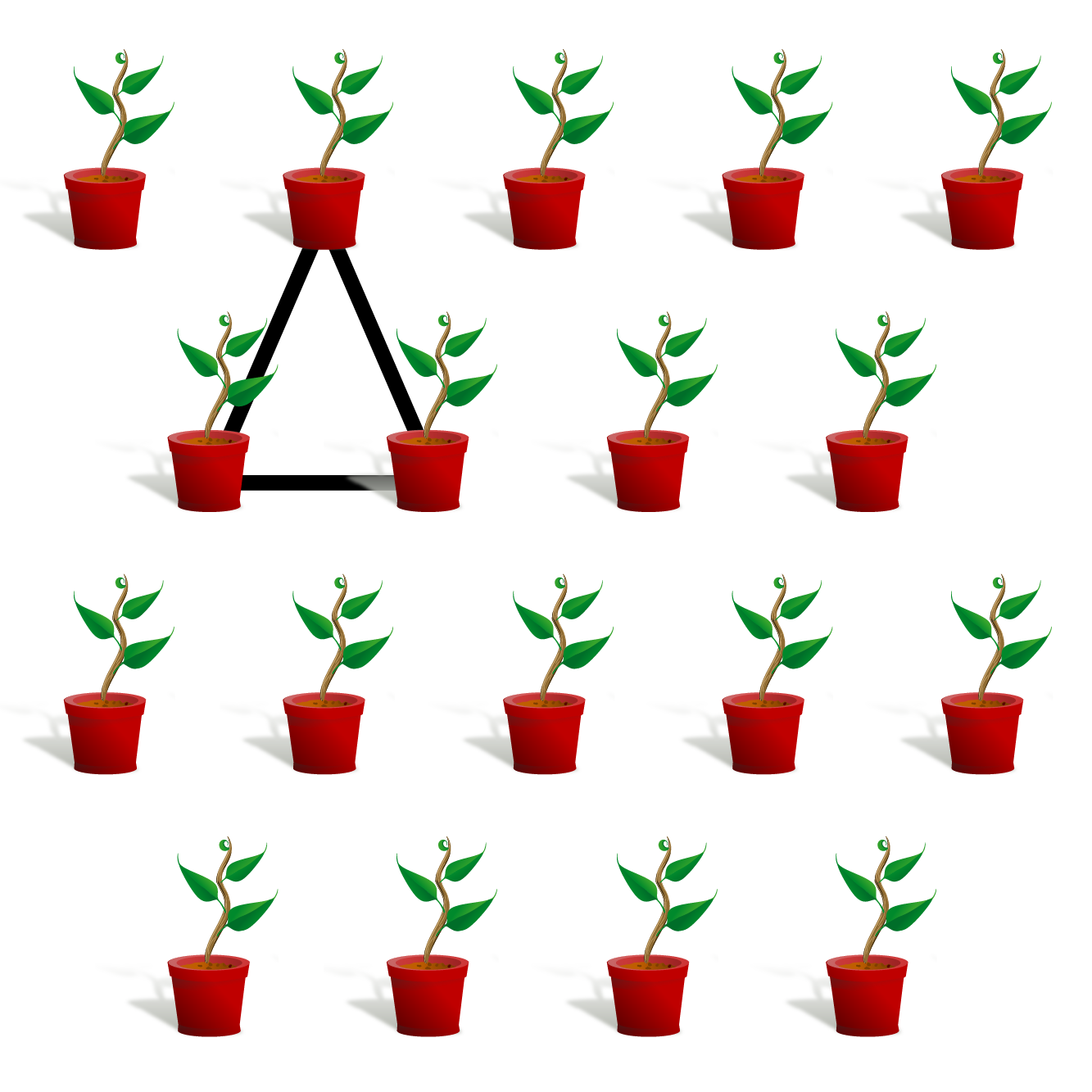
Spacing: Space trees according to their rootstock and mature size. Semi-dwarf trees generally require approximately 12 to 15 feet between plants.
Maintenance: Remove fallen fruit and leaves, monitor for common apple pests and diseases, and thin developing fruit after fruit set. Maintain mulch around the root zone while keeping it away from the trunk.
Pollinator: Plant with a compatible early-blooming apple such as Dorsett Golden, Ein Shemer, Gala, or Golden Delicious for reliable cross-pollination and improved fruit production.
For the most reliable fruit production, Anna should be planted with a compatible apple cultivar that blooms at the same time. Dorsett Golden is a commonly recommended pollination partner because its very early bloom period overlaps well with Anna. A compatible pollinator helps improve fruit set and crop size, particularly when only one or two apple trees are being grown. With proper pollination and regular fruit thinning, Anna can provide an abundant harvest well before many other backyard apple varieties are ready.