



Alley Cat Redbud
Cercis canadensis ‘Alley Cat’Alley Cat Redbud is a variegated selection of the native eastern redbud, Cercis canadensis, found as a seedling by plantsman Allen Bush in an alley near his garden. Its large, heart-shaped leaves are speckled and splashed with creamy white over dark green, a pattern rarely seen in redbuds. New leaves emerge with soft pink and copper tints before the white markings develop. This upright tree reaches about 20–30 feet tall and 25–35 feet wide.
In early to mid spring, before the leaves appear, clusters of rich pink flowers line the bare branches. Bees gather nectar and pollen from these early blooms, and the leaves host several native moths, including the Io moth. Flat brown seed pods follow and may hang on through winter, and songbirds such as Northern Cardinals eat the seeds. In fall the leaves turn yellow before dropping. It works as a lawn specimen, beside a patio, or along a woodland edge.
This redbud grows in full sun to part shade. Flowering is heaviest in full sun, while some afternoon shade helps in hot summers. It adapts to clay, loam, or sandy loam across a wide pH range but needs good drainage and does not tolerate wet, poorly aerated ground. Deer generally leave it alone. Like other eastern redbuds, it is a relatively short-lived tree, often 20–30 years, and it is sensitive to lawn herbicides. A few steps keep it healthy.
Care Instructions:
Planting: Plant in spring or early fall in full sun to part shade, away from low spots where water collects; redbuds dislike root disturbance, so choose a permanent site.
Soil: Grows in clay, loam, or sandy loam from acidic to slightly alkaline, as long as the soil drains well after rain.
Watering: Water deeply once or twice a week through the first growing season, then during extended dry spells; a 2–3 inch layer of mulch keeps the roots moist and cool.
Fertilizing: Apply a slow-release tree fertilizer in early spring if growth is weak or leaves look pale; established trees in average soil seldom need regular feeding.
Pruning: Prune in late spring, right after flowering, to remove dead, crossing, or low branches and to train young trees to a few strong, well-spaced limbs.
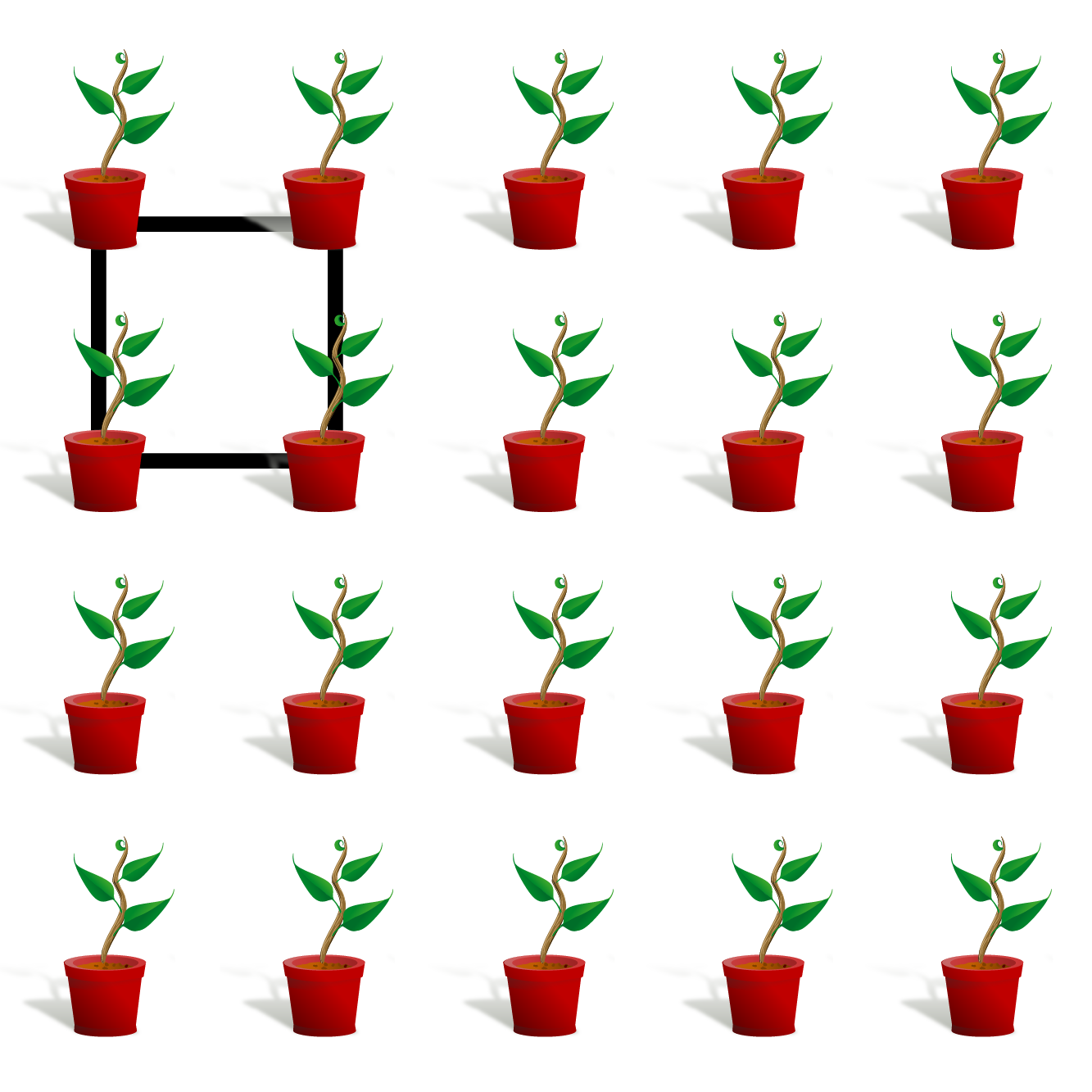
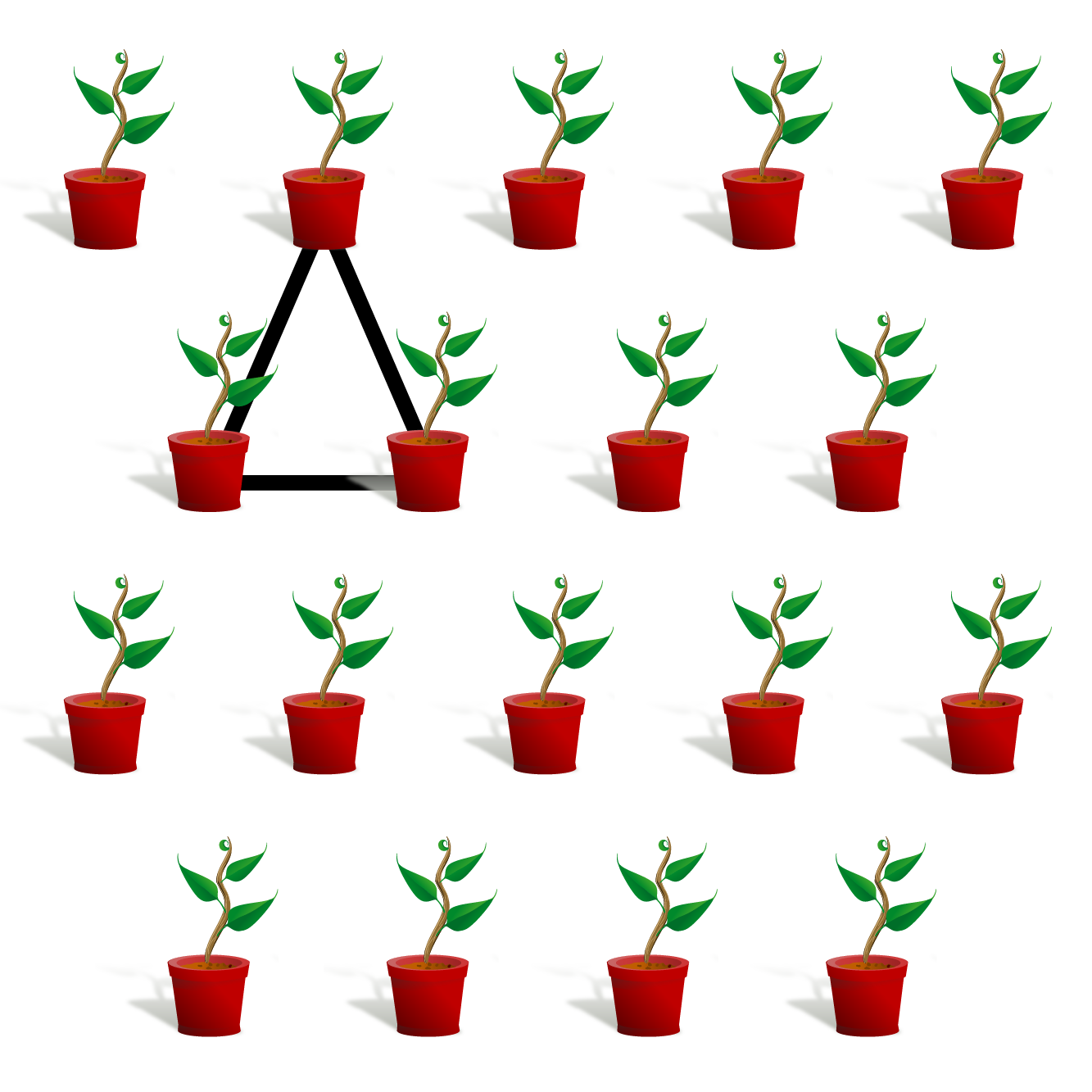
Spacing: Space trees approximately 20–30 feet apart; at that spacing the canopies of mature trees will meet and form a continuous band of spring color.
Maintenance: Keep weed-and-feed products and string trimmers away from the trunk and root zone, and prune out any branches that die back from canker or wilt.
Gardeners choose Alley Cat Redbud for a native tree with two distinct displays: pink flowers on bare wood in spring, then speckled white-and-green leaves that stay ornamental from late spring into fall. It performs best as a featured tree in a front yard, lawn, or patio planting with well-drained soil, where the pale foliage can be seen up close and stands out against darker evergreens and shrubs.
Landscape Solutions:
- Its early spring flowers provide nectar and pollen for bees when few other trees are in bloom.
- White-speckled leaves brighten plantings next to dark evergreens or in lightly shaded corners of the yard through summer.
- Deer resistance makes it a dependable flowering tree for yards where deer browse other plantings.
- Tolerance of clay soil suits suburban lots where heavy soil limits tree choices.
- Moderate size fits front yards and patio areas where a large shade tree would crowd the space.