



Admiration Barberry
Berberis thunbergii ‘Admiration’Admiration Barberry is a dwarf deciduous shrub grown for its brightly colored foliage. Each small, rounded leaf is orange-red to deep red with a thin, bright yellow edge, and the leaves crowd along short, thorny stems to form a dense, rounded mound. It grows slowly to about 1–2 feet tall and wide, so it fits at the front of a bed without needing frequent trimming to stay in bounds.
Color begins as soon as the leaves open in spring and holds through the heat of summer. In fall the foliage deepens to scarlet before dropping for winter. The plant is valued for its leaves rather than its flowers. Its compact size suits edging along walks, low groupings at the front of foundation beds, rock gardens and mixed containers, where the red-and-gold leaves contrast with blue, silver or dark green neighbors.
Admiration colors best in full sun; it tolerates light shade, but the red tones are richest with more sun. It adapts to clay, loam, sandy and chalky soils across a wide pH range, provided water drains away freely, and it should not sit in wet ground. Once established it handles heat and dry spells, and deer seldom browse it because of its spines. Care centers on good drainage, mulch and an occasional light trim.
Care Instructions:
Planting: Plant in spring or early fall in a sunny, well-drained spot, setting the top of the root ball level with the surrounding soil.
Soil: Grows in clay, loam, sandy or chalky soil from acidic to alkaline, but should not be planted where water collects after rain.
Watering: Water deeply once or twice a week through the first growing season, then only during extended heat or drought.
Fertilizing: Apply a slow-release fertilizer for trees and shrubs in early spring at the label rate; heavy feeding is not needed on a plant this slow-growing.
Pruning: Little pruning is needed; trim lightly in early summer to tidy the mound or sharpen an edge, wearing gloves against the spines.
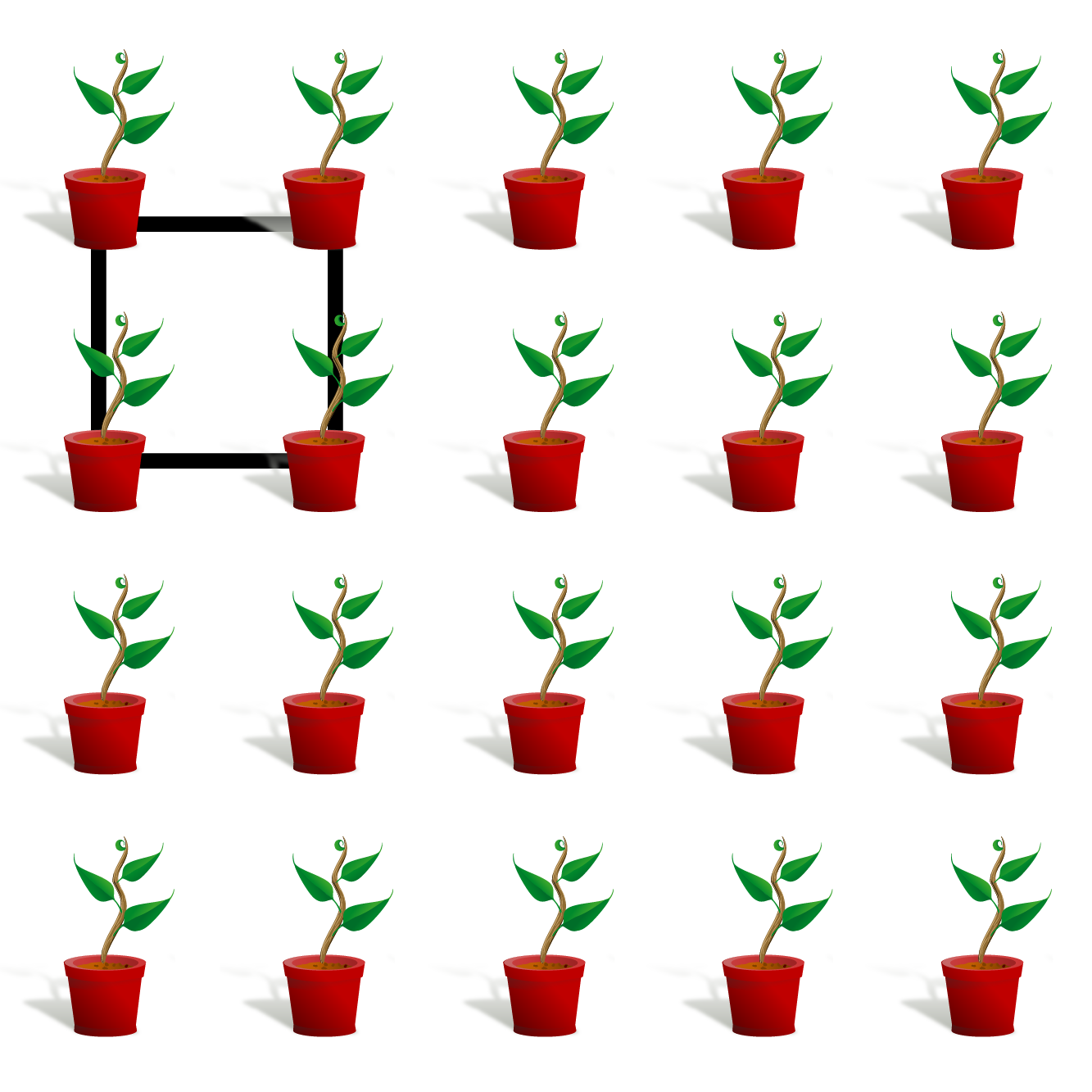
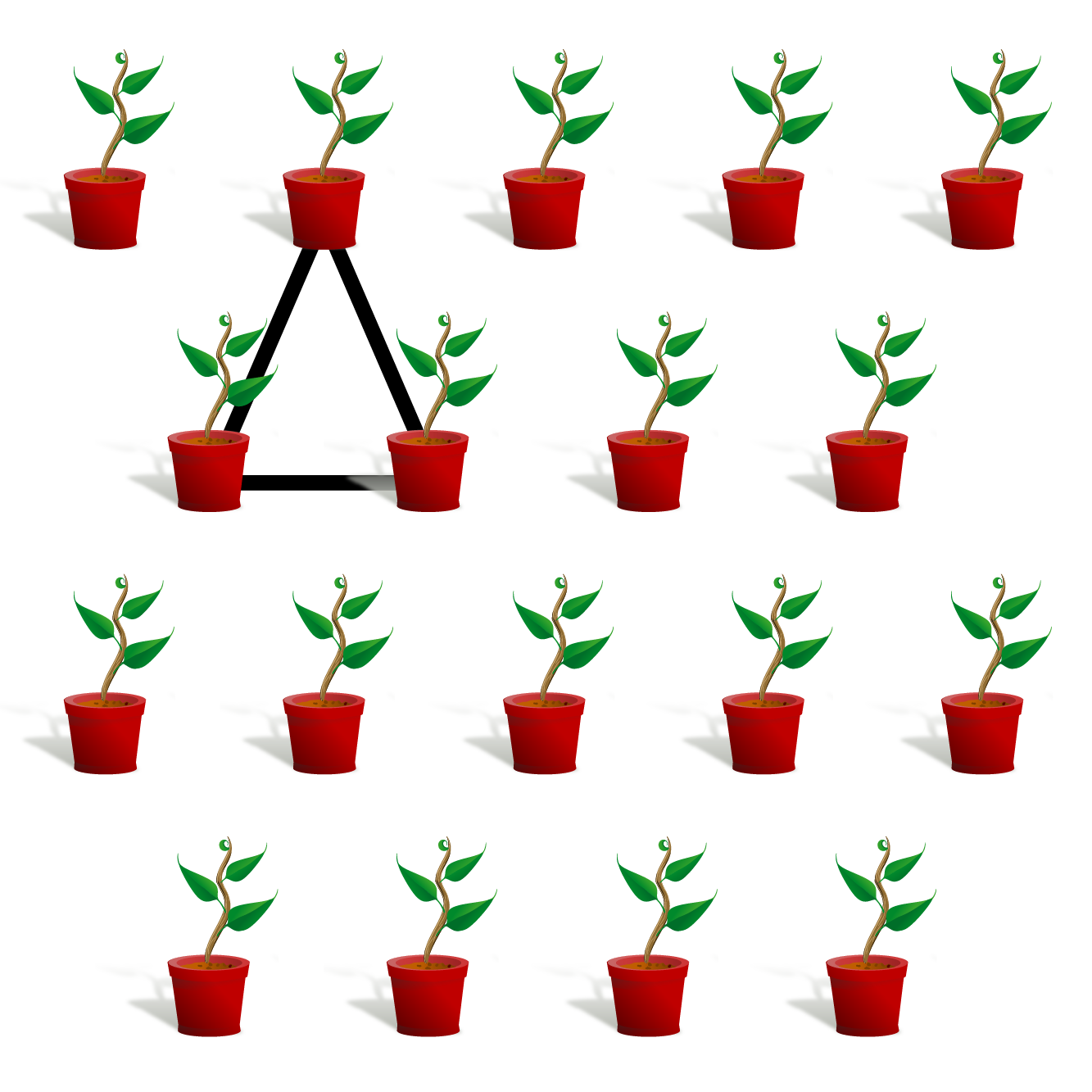
Spacing: Space plants approximately 18–24 inches apart; at 18 inches the mounds will meet to form a continuous low edge, while at 24 inches each will stand as a separate mound.
Maintenance: Keep 2 inches of mulch over the root zone, clear fallen leaves from inside the thorny base in fall, and pull any barberry seedlings that appear nearby.
Gardeners choose Admiration when they want strong red and gold color in a very small space. Because it stays low and dense with little pruning, it performs best as a front-of-border accent, a short edging along a sunny path, or a bright note in a container on a hot patio. A small group in a sunny foundation bed gives steady color from spring until the leaves fall.
Landscape Solutions:
- Its 1–2 foot size fits the front of foundation beds and narrow strips where larger shrubs would block windows or spill onto paths.
- Red leaves edged in yellow hold their color through summer heat, giving season-long color in sunny beds without relying on flowers.
- Deer seldom browse the spiny stems, making it useful in yards where deer damage other low shrubs.
- Planted in a row along a walk or driveway, the dense mounds form a low, colorful edge that needs only light trimming.
- Its compact, slow growth suits mixed containers, where it stays in scale with trailing and mounding companions for several seasons.