


Deer are one of the most common challenges Maryland gardeners face. They wander through suburban yards, nibble their way through carefully planted beds, and can undo months of hard work in a single evening. The truth is, no plant is completely deer-proof, and when food is scarce enough, deer will sample almost anything. The good news is that you can create a deer-resistant landscape by combining smart plant choices with thoughtful garden design. Here’s what you need to know to keep your garden beautiful while minimizing deer damage.
Why Deer Visit Your Yard
Deer are drawn to landscapes that offer easy access to food, water, and shelter, and suburban neighborhoods often provide exactly that. Wide-open lawns, ornamental plantings, and a lack of natural predators make many home landscapes ideal habitats. Deer feeding habits also shift with the seasons:
- Spring: Tender new growth is especially appealing.
- Summer: Flowers and vegetable gardens become prime targets.
- Fall: Woody plants and acorns make up a larger part of their diet.
- Winter: Evergreen foliage and bark help sustain them when other food is scarce.
Understanding these patterns can help you anticipate when your garden is most at risk and plan your protection accordingly.
What Makes Plants Less Appealing?
While no plant is entirely off-limits to a hungry deer, certain characteristics make plants less appetizing overall. Deer tend to avoid:
- Fragrant foliage
- Fuzzy or rough-textured leaves
- Thick or leathery foliage
- Thorny stems
- Strong herbal scents
- Plants that are toxic to deer
Keep in mind that deer preferences can vary depending on your location and how much other food is available. A plant that goes untouched in one yard might get nibbled in another, especially during a particularly dry season.
Choosing Deer-Resistant Plants
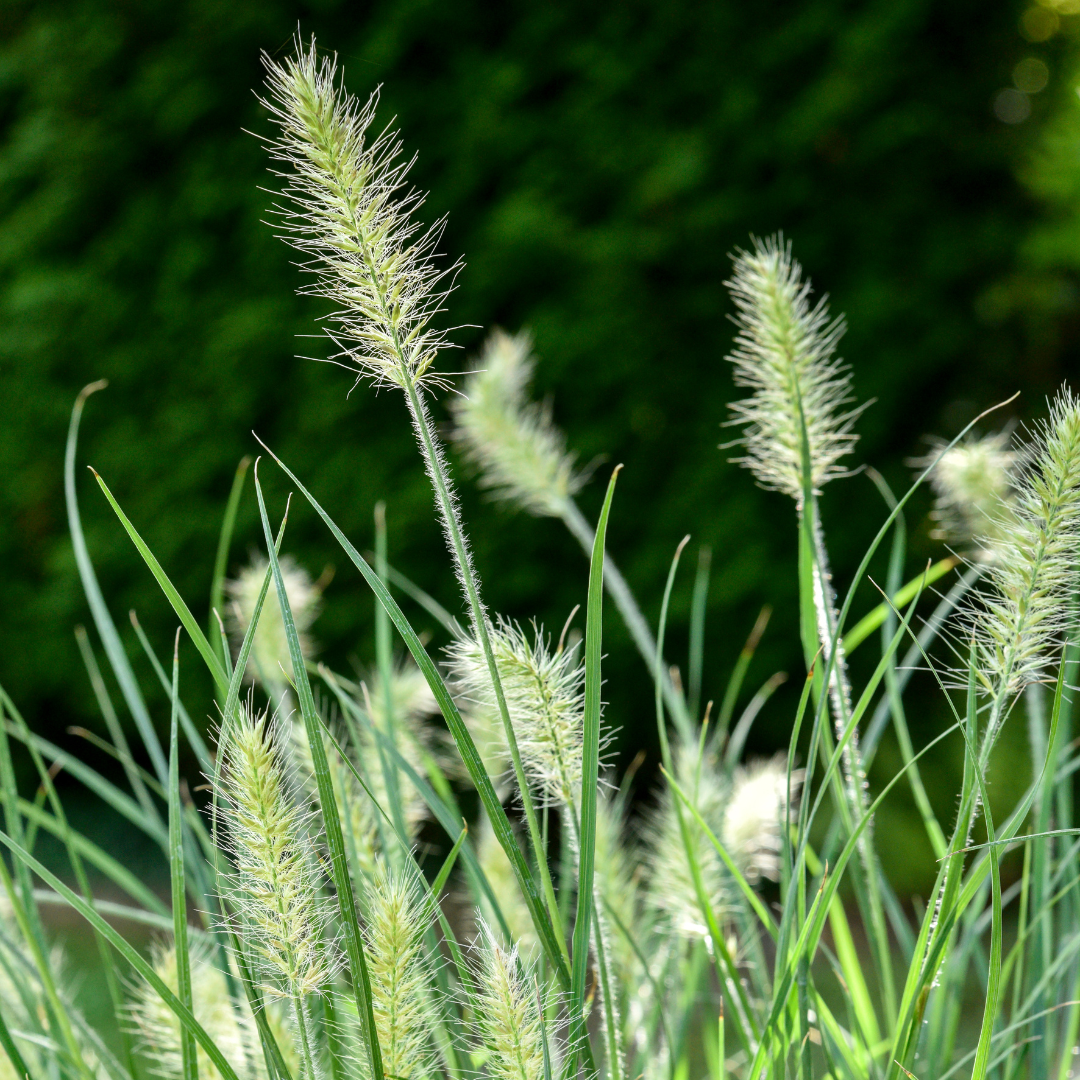
Filling your garden with plants deer tend to avoid is one of the most effective long-term strategies. Browse our collections of deer-resistant perennials, shrubs, and ornamental grasses, or stop by and let our experts help you find the right fit for your garden.
Design Your Landscape with Deer in Mind
How you design your landscape matters just as much as plant selection. Here are some design tips for creating a deer-resistant landscape:
Place vulnerable plants near the house. Deer are less likely to browse close to areas with frequent human activity, so tuck your most tempting plants nearer to entryways, patios, and windows.
Layer plants. Surround susceptible varieties with more deer-resistant plants, and use aromatic species as a natural border around beds.
Group plants together. Mass plantings create a fuller, more established look, which can also make occasional browsing far less noticeable.
Mix plant textures. Combining fragrant, coarse, and ornamental foliage throughout your beds helps confuse and deter deer as they move through your yard.
Create a deer area. If you have the space, consider dedicating one out-of-the-way section of your yard to plants deer enjoy. Giving them an easy option elsewhere can help draw their attention away from the rest of your landscape.

Additional Deer Deterrents
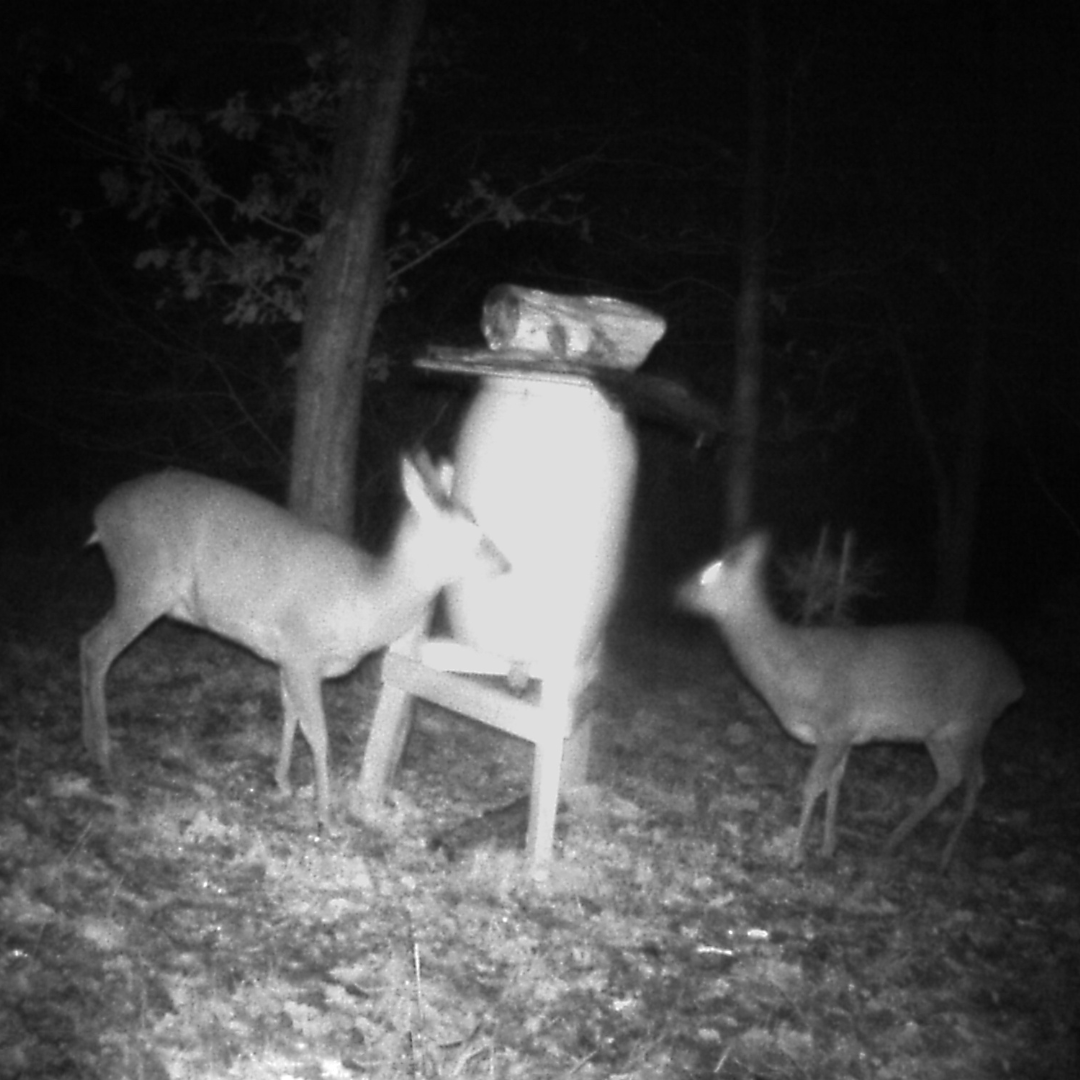
- Physical barriers. Deer fencing, decorative fencing, and netting around vegetable gardens remain some of the most reliable ways to keep deer out entirely.
- Repellents. Scent and taste repellents work by making plants smell or taste unappealing to deer. For best results, rotate products regularly and reapply after rain or according to label directions, since deer can grow accustomed to a single repellent over time. Find our pest control options on our website or in-store.
- Motion-activated devices. Sprinklers, lights, and noise devices can startle deer away from your garden. Keep in mind that effectiveness often decreases over time as deer become used to them, so it helps to combine these tools with other strategies.
Maintain a Healthy Landscape
A healthy garden is often more resilient, especially against deer. Water your plants during periods of drought, apply mulch to retain soil moisture, and fertilize as needed to keep plants healthy. Prune away any damaged growth, and don’t hesitate to replace heavily browsed plants with more deer-resistant selections if they continue to struggle season after season.
Putting It All Together
Successful deer management comes from layering multiple strategies rather than relying on any single solution. By choosing deer-resistant plants, protecting your most vulnerable specimens, and adapting your landscape design over time, you can strike the right balance. With a little planning, it’s entirely possible to enjoy a beautiful, thriving garden while keeping deer damage to a minimum year-round. If you’d like personalized recommendations for your yard, our team at Patuxent Nursery is always happy to help you find the right plants for a more deer-resistant landscape.
Leave a Comment
You must be logged in to post a comment.