
Yoshino Flowering Cherry
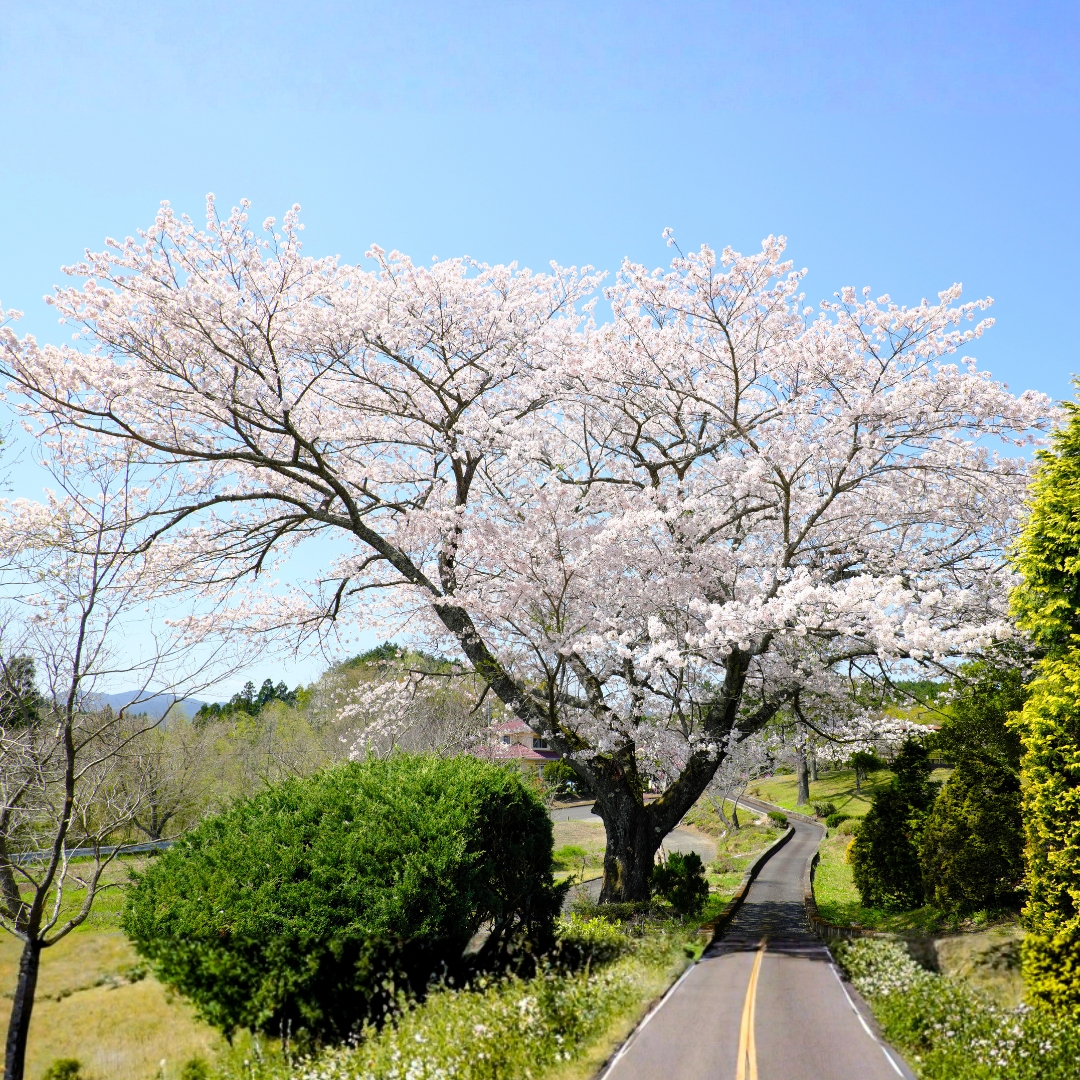
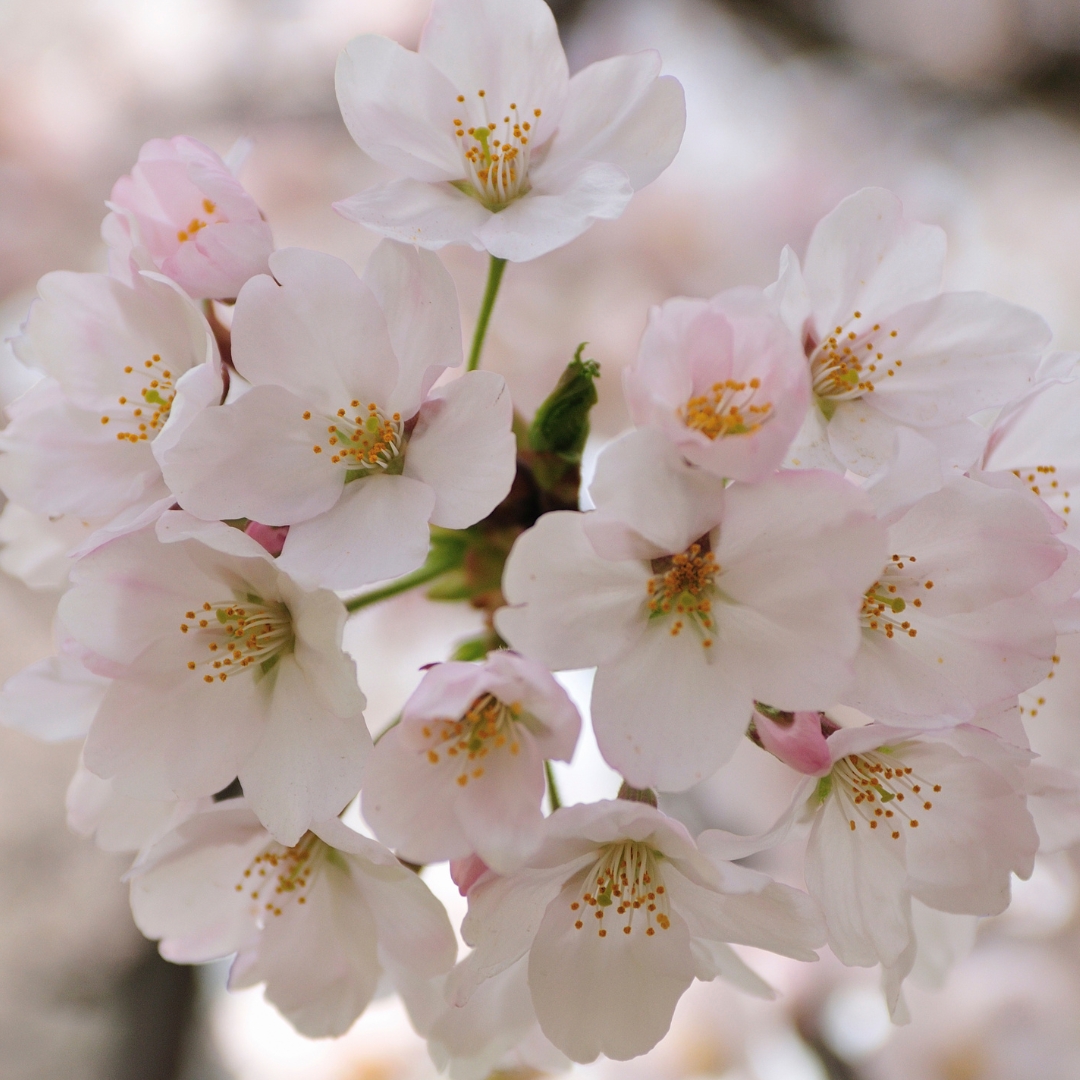
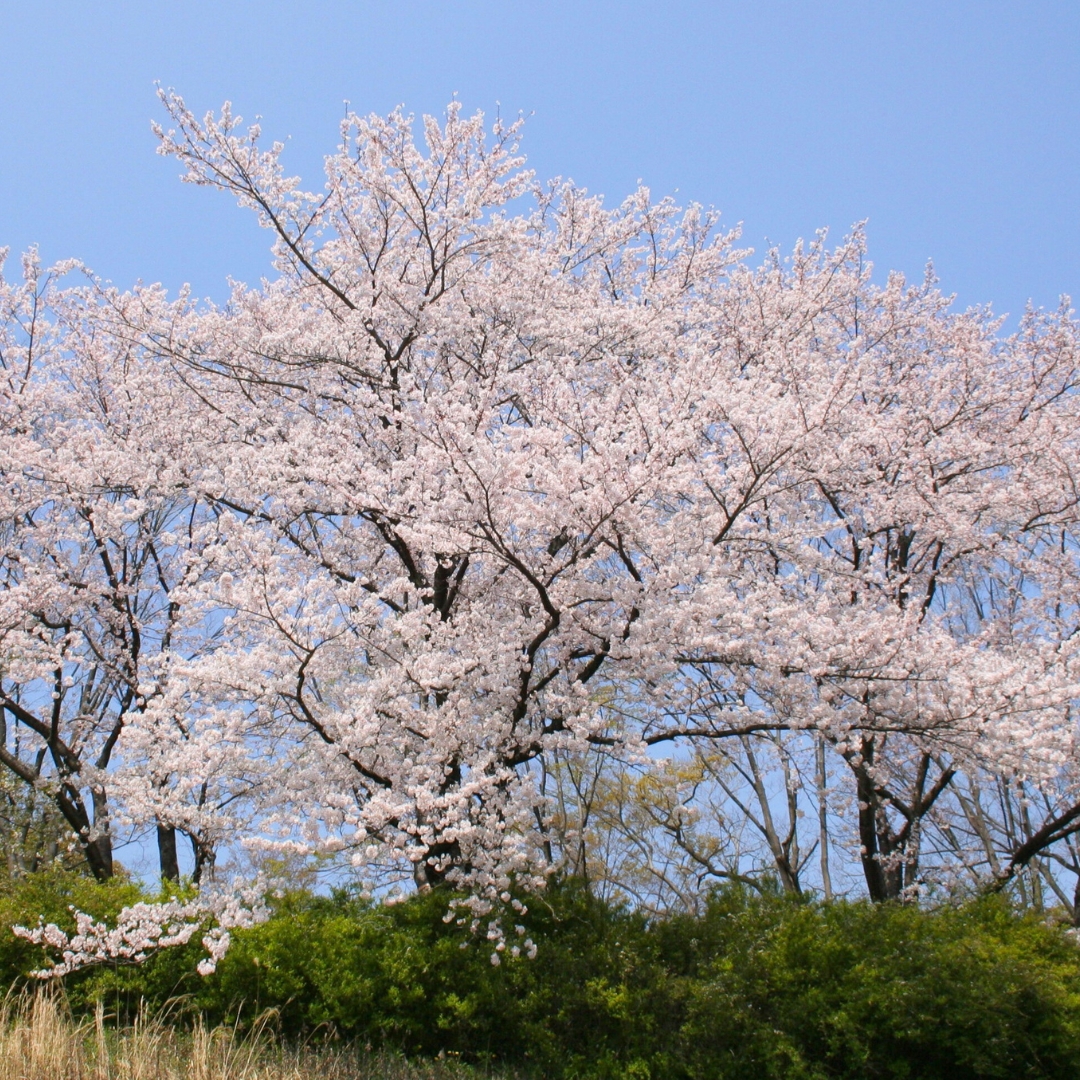
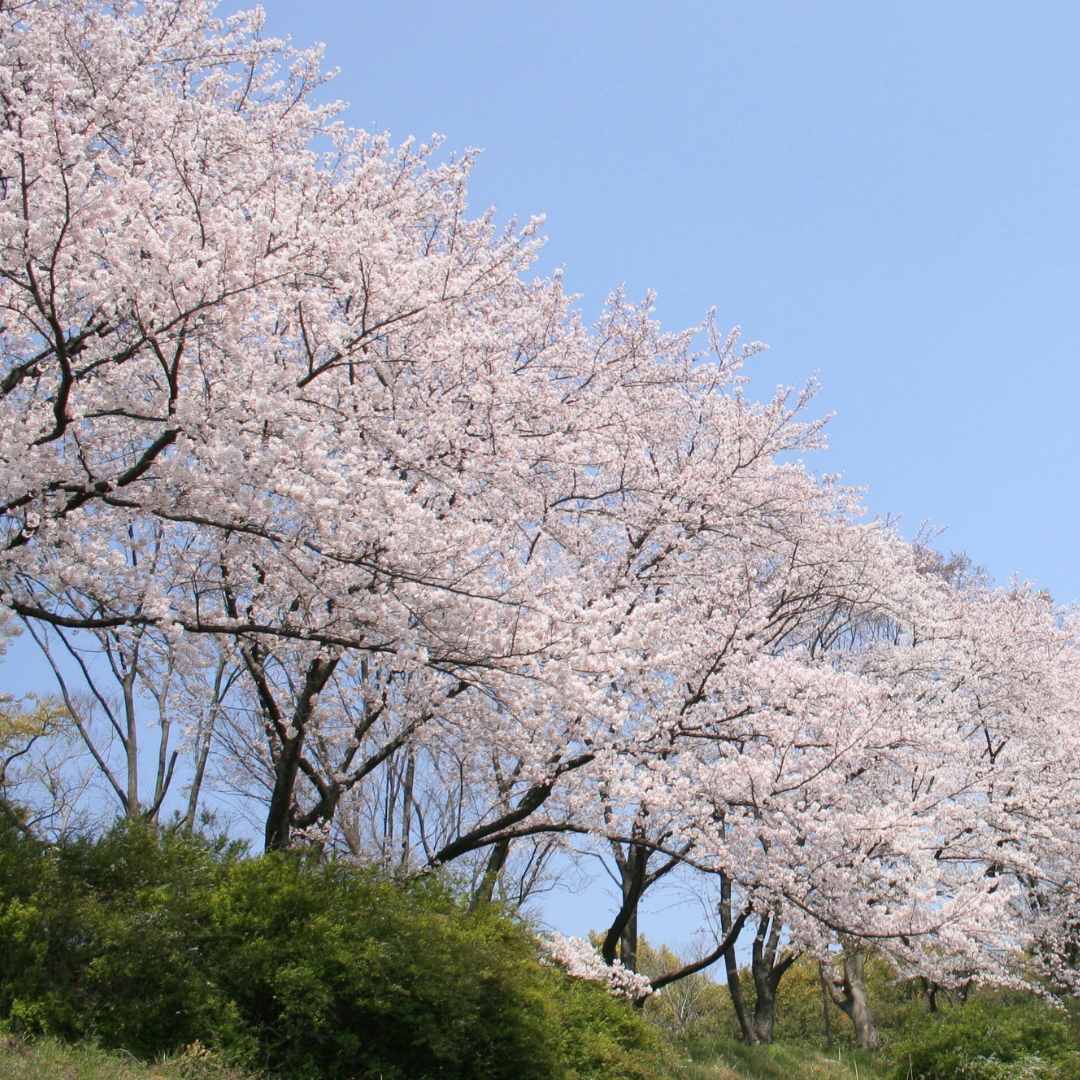
Prunus × yedoensisYoshino Flowering Cherry is one of the most iconic and widely planted ornamental cherry trees in the world, celebrated for its breathtaking early spring bloom and graceful, spreading canopy. Best known for lining the Tidal Basin in Washington, D.C., this elegant tree creates a spectacular seasonal display when masses of soft white to pale pink blossoms blanket its branches before the foliage fully emerges.
In early spring, Yoshino Cherry bursts into bloom with abundant clusters of lightly fragrant flowers that open in soft blush tones and mature to nearly pure white. The blossoms appear along bare branches, creating a cloud-like effect that signals the arrival of spring. This heavy bloom period typically lasts one to two weeks, depending on weather conditions, and attracts bees and other early pollinators seeking nectar.
As flowering fades, fresh green leaves emerge, forming a broad, rounded canopy that provides light shade throughout the summer months. The foliage remains an attractive medium green through the growing season before transitioning to warm shades of yellow and bronze in fall. Even in winter, the tree’s smooth gray bark and refined branching structure offer architectural interest.
Yoshino Flowering Cherry typically matures to 30–40 feet tall with a similar spread, developing a wide, gracefully arching crown. Its moderate growth rate and elegant form make it a superb specimen tree for lawns, parks, large beds, and street plantings. It thrives in full sun and well-drained soil, performing best when given good air circulation and consistent moisture during establishment.
Care Instructions:
Planting: Choose a location with full sun exposure (at least 6+ hours of direct sunlight daily) for best flowering performance.
Soil: Prefers well-drained, fertile soil. Avoid heavy, poorly drained sites.
Watering: Water deeply and regularly during the first growing season to establish roots. Once established, provide supplemental watering during prolonged dry periods.
Fertilizing: Apply a balanced, slow-release fertilizer in early spring before new growth begins.
Mulching: Apply a 2–3″ layer of organic mulch around the root zone to retain moisture and regulate soil temperature. Keep mulch several inches away from the trunk.
Pruning: Prune after flowering to remove dead, damaged, or crossing branches and to maintain structure. Avoid heavy pruning.
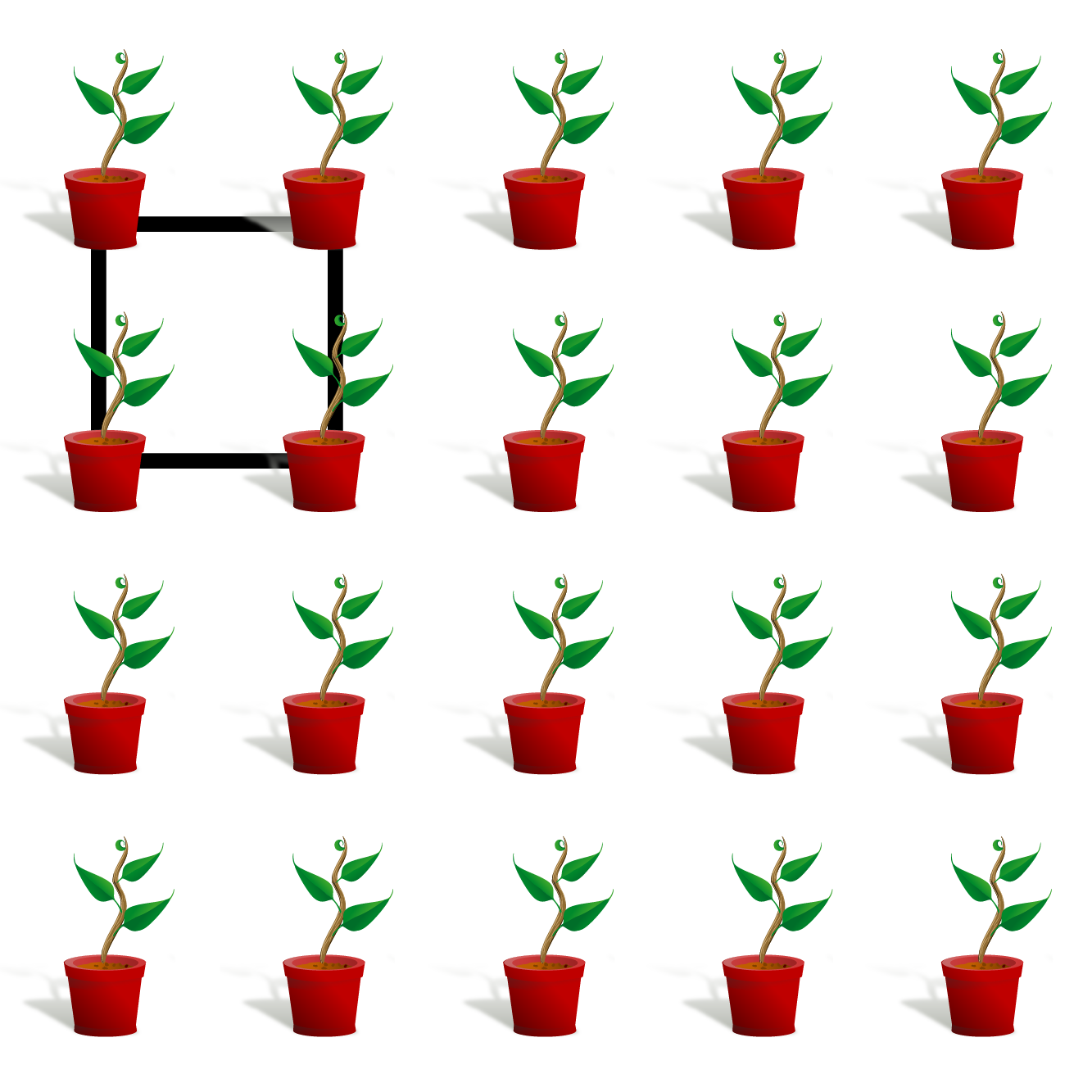
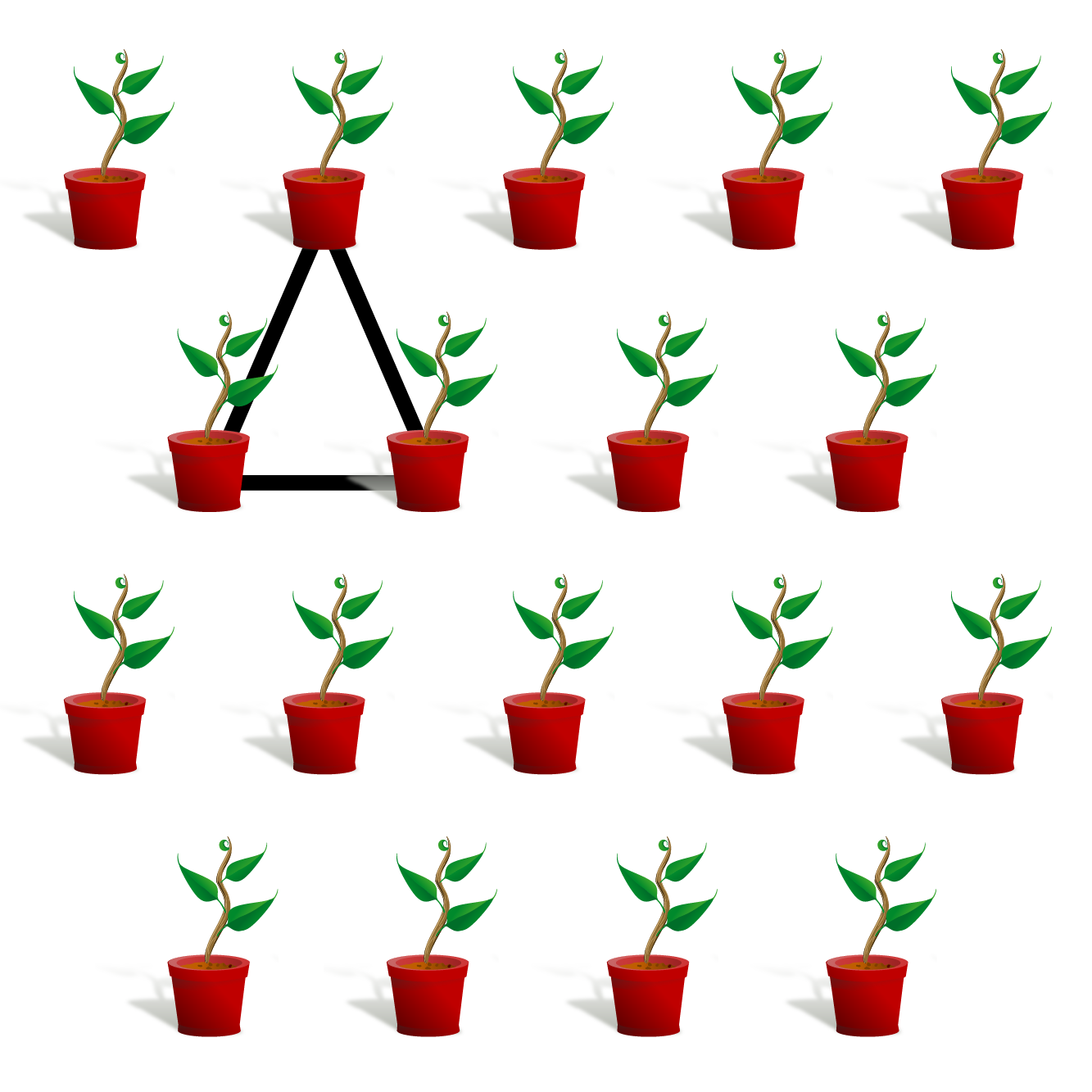
Spacing: Space trees 30–40 ft apart to accommodate mature canopy spread and promote airflow.
Maintenance: Monitor for common ornamental cherry pests and fungal leaf issues and maintain good watering practices.
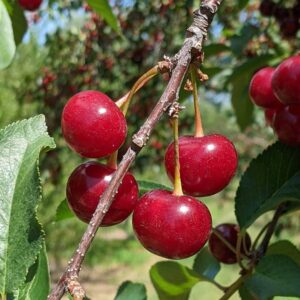
Adapted to USDA Hardiness Zones 5–8, Yoshino Cherry is moderately tolerant of heat and cold but benefits from proper siting to avoid waterlogged soils. While it may produce small ornamental fruit, it is primarily valued for its extraordinary floral display and timeless landscape presence. With unmatched spring beauty and classic appeal, Yoshino Flowering Cherry remains one of the most cherished ornamental trees for residential and civic landscapes alike.
Size: Unless the product is labeled “B&B,” it comes in a container rather than ball-and-burlap. Sizes listed with ‘Cal.’ indicate the caliper of the trunk.