

Top Hat Blueberry
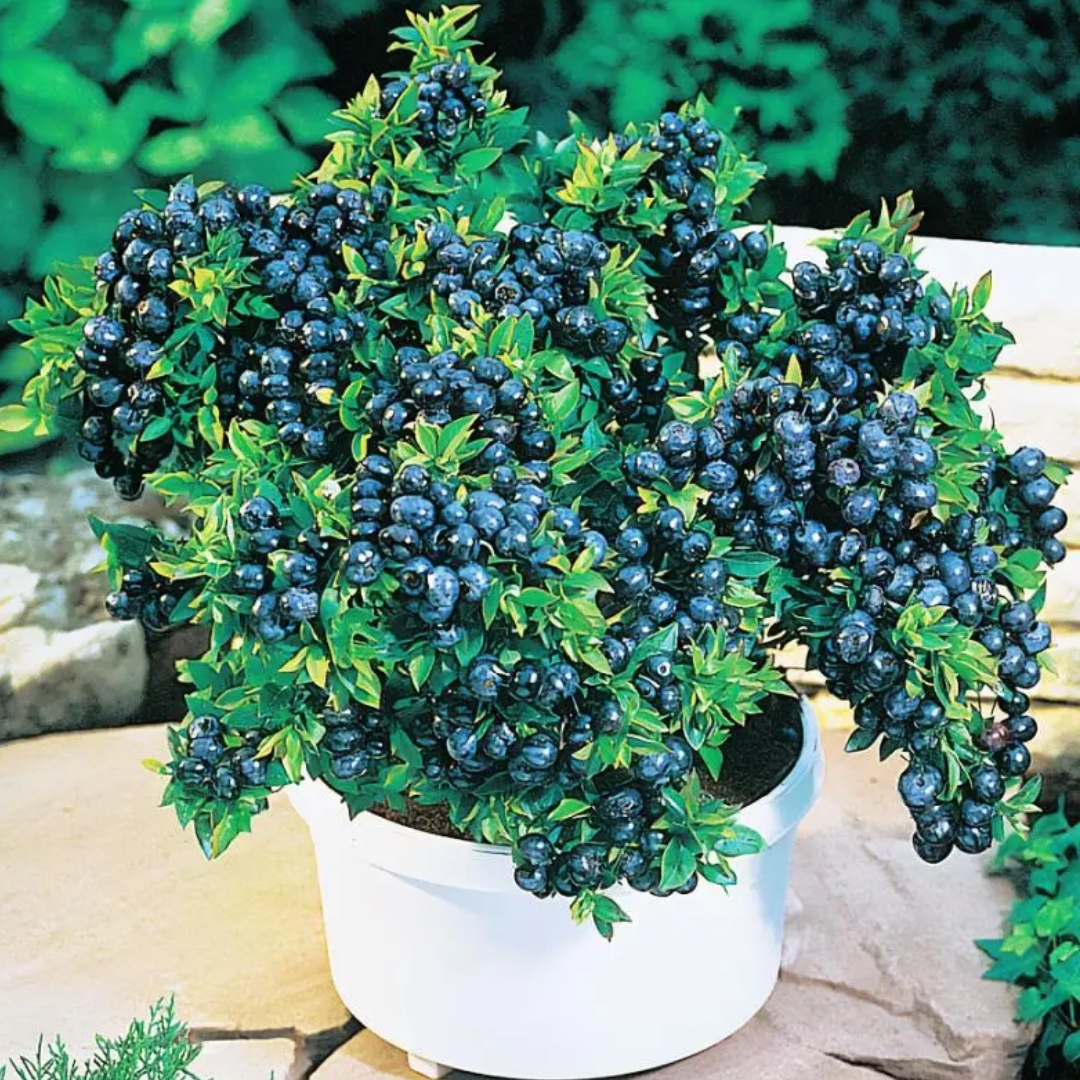
Vaccinium corymbosum ‘Top Hat’Top Hat Blueberry is an outstanding compact, highbush blueberry cultivar that delivers both ornamental appeal and delicious harvests in a small-space package. Specially selected for home gardeners with limited garden room, patio spaces, or container plantings, Top Hat® combines the classic flavor and nutrition of blueberries with a naturally tidy and manageable size.
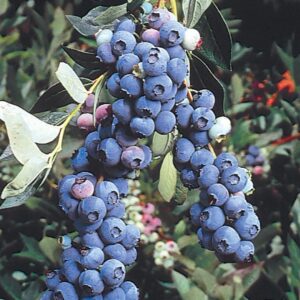
One of the defining features of Top Hat® is its excellent early-season berry production, typically ripe in mid-summer. The firm, medium-sized berries are flavorful and versatile, ideal for fresh eating, smoothies, baking, preserves, and freezing. Unlike larger blueberry shrubs, its compact growth means you can enjoy a productive harvest without needing extensive space.
In spring, Top Hat® produces abundant clusters of classic white bell-shaped flowers that attract honey bees and other beneficial pollinators to your garden as blossoms set into fruit later in the season. Its foliage is typically a healthy, glossy green that may develop attractive fall color, adding ornamental interest even after fruiting is complete. With a mature height and spread generally around 2–3 feet, this cultivar is well-suited to small gardens, edible borders, raised beds, or container culture.
Top Hat® Blueberry thrives across a wide range of climates consistent with highbush blueberries, usually USDA Hardiness Zones 4–7, making it a reliable choice for many regions, particularly in the Mid-Atlantic, Northeast, and northern states, where chill hours are adequate. Its combination of size, fruit quality, and ornamental value makes it an excellent choice for beginner and experienced growers alike.
Care Instructions:
Planting: Choose a location with full sun exposure. At least 6+ hours of direct sunlight daily for best berry production and plant health.
Soil: Plant in acidic, well-drained soil with a pH around 4.5–5.5. Blueberries require acidic conditions to thrive.
Watering: Water deeply and regularly during establishment and through dry periods; maintain evenly moist soil without waterlogging.
Fertilizing: Apply an acid-forming, slow-release fertilizer formulated for blueberries or other acid-loving plants in early spring before new growth begins.
Mulching: Spread a 2–3″ layer of organic mulch (e.g., pine bark, pine needles) around the base to conserve moisture, modulate soil temperature, and suppress weeds. Keep mulch a few inches away from stems.
Pruning: Prune annually in late winter or early spring while dormant. Remove dead wood and older canes to open the plant and encourage healthy new fruiting growth.
Spacing: Space plants 2.5–3.5 ft apart to allow room for mature size and airflow.
Maintenance: Monitor soil pH and moisture, mulch annually, and prune to maintain size and vigor.
Pollinator Required: No. This shrub is self-fertile and will set fruit independently. Planting another mid-season blueberry cultivar nearby (such as Bluecrop or Duke) can help increase yields.
Whether planted as part of a small edible garden, in a container for patio enjoyment, or in groupings throughout landscape beds, Top Hat® delivers an attractive, edible shrub with minimal space requirements and maximum flavor payoff.