

Spitzenburg Apple
Malus domestica ‘Esopus Spitzenburg’Spitzenburg Apple, also known historically as Esopus Spitzenburg, is one of America’s most revered heirloom apple cultivars, treasured by fruit connoisseurs for its rich flavor, remarkable texture, and heritage legacy. This classic apple was discovered near Esopus, New York, in the late 18th century and quickly gained prominence in early American orchards. It earned widespread acclaim throughout the 19th century and is often associated with early American gardening traditions. Today, apple enthusiasts continue to grow Spitzenburg for its distinctive balance of sweet and tart flavors and its suitability for both fresh eating and culinary uses.
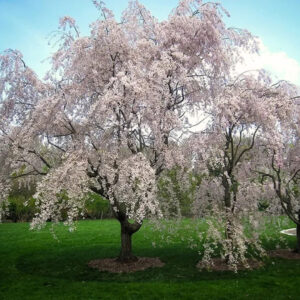
In spring, the Spitzenburg Apple tree is adorned with clusters of fragrant white blossoms that attract honey bees and other beneficial pollinators, promoting strong fruit set and creating a beautiful spring display. The blossoms transition to lush green foliage that persists throughout the growing season, providing shade, structure, and ornamental value in the garden. As the fruit develops, the foliage offers a vibrant backdrop to the emerging apples, enhancing the visual appeal of the tree.
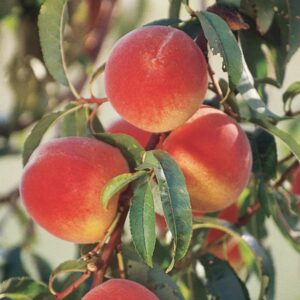
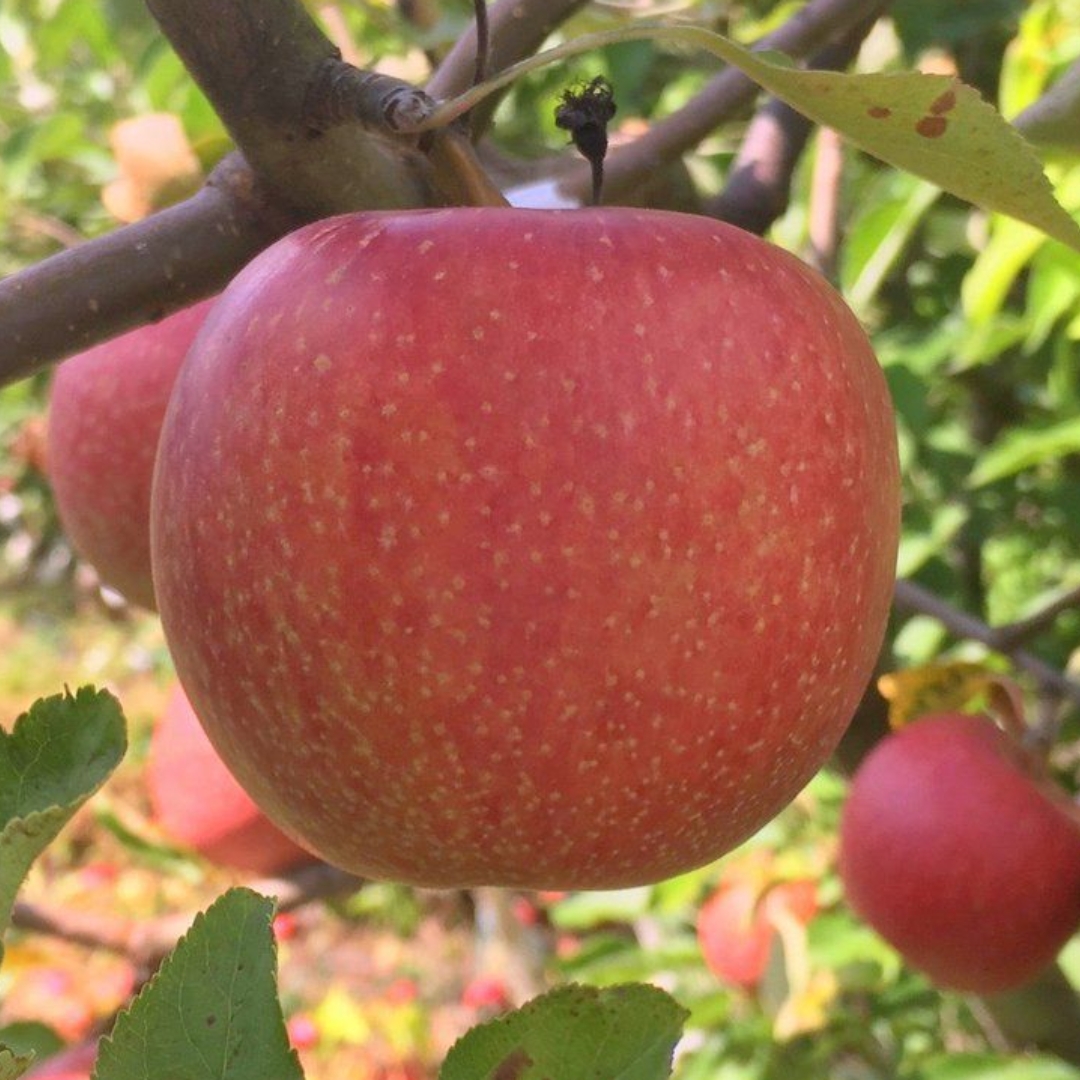
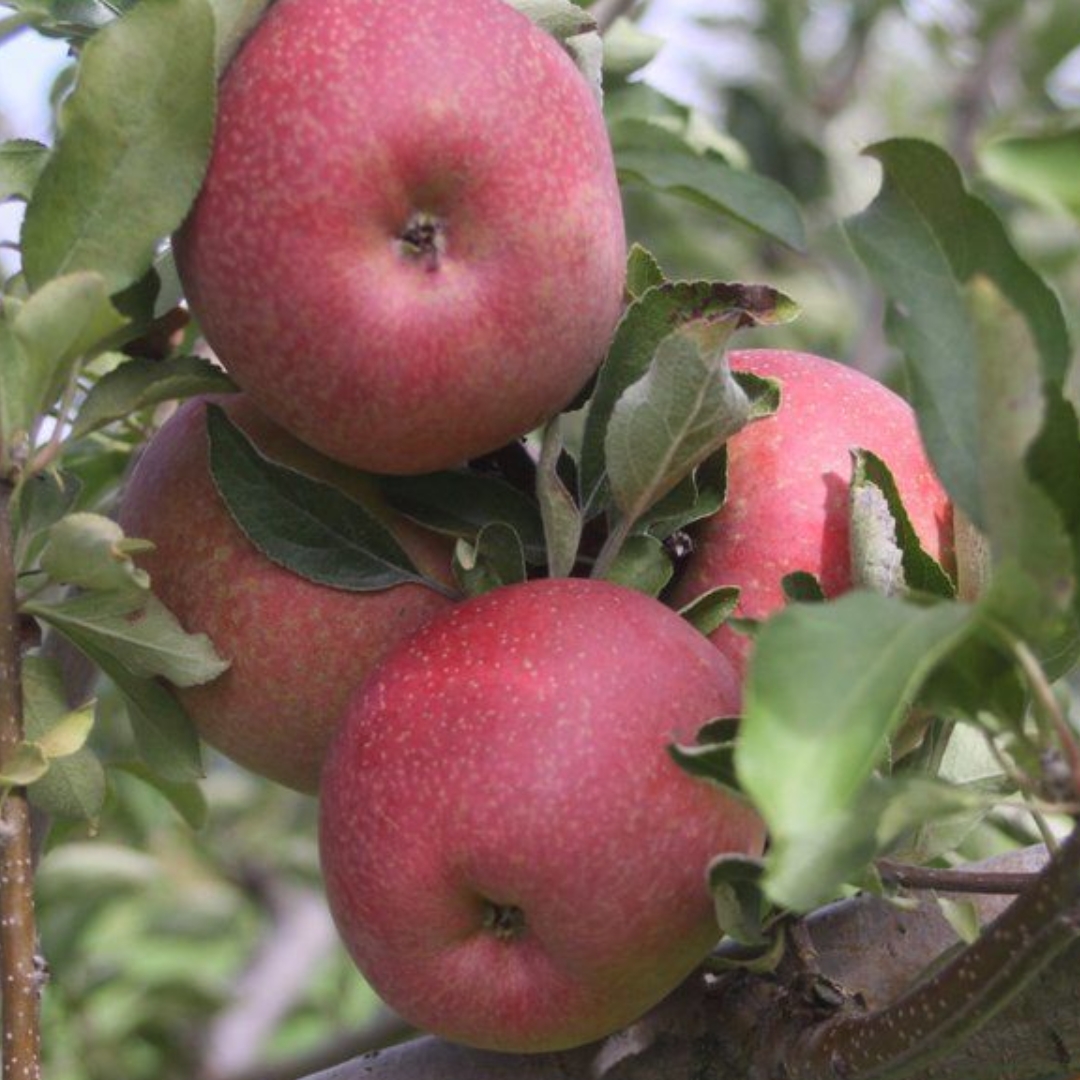
By early autumn, this heirloom apple tree produces medium- to large-sized fruit with a striking red and orange blush over a yellow background, often accented with russet freckles. The flesh is dense, crisp, and juicy with a complex flavor profile that can include citrus, honey, spice, and floral notes. The balance of sweet and tart has long made Spitzenburg a favorite dessert apple. Its rich, nuanced taste deepens with cool storage, and the fruit can keep well for several months when properly stored, making it a treasured addition to autumn and winter harvests.
Spitzenburg Apple trees typically develop a moderate upright spreading habit, often reaching heights of 15–20 feet with a similar spread at maturity. While the tree is vigorous and productive once established, it may take several seasons before reaching full fruiting potential. It thrives in full sun and fertile, well-drained soil and benefits from consistent watering, mulching, annual fertilization, and careful pruning to maintain structure and encourage healthy fruiting wood. Because this cultivar is not self-fertile, planting it near compatible apple varieties that bloom at similar times, such as Gala, Fuji, or Golden Delicious, will enhance pollination and increase fruit yields.
Care Instructions:
Planting: Choose a location with full sun, at least 6–8 hours of direct sunlight daily to support vigorous growth and fruit development.
Soil: Plant in enriched, well-drained soil. Amend heavy or poorly draining soils with organic matter to improve structure and fertility.
Watering: Water deeply and regularly during establishment and during dry spells while avoiding waterlogging.
Fertilizing: Apply a balanced, slow-release fertilizer in early spring before new growth begins. Supplement based on tree vigor and soil conditions.
Pruning: Prune in late winter or early spring while dormant to remove dead or crowded wood, maintain open canopy structure, and improve sunlight and airflow.
Thinning: Thin fruit after set in late spring to reduce overcrowding and encourage larger, higher-quality apples.
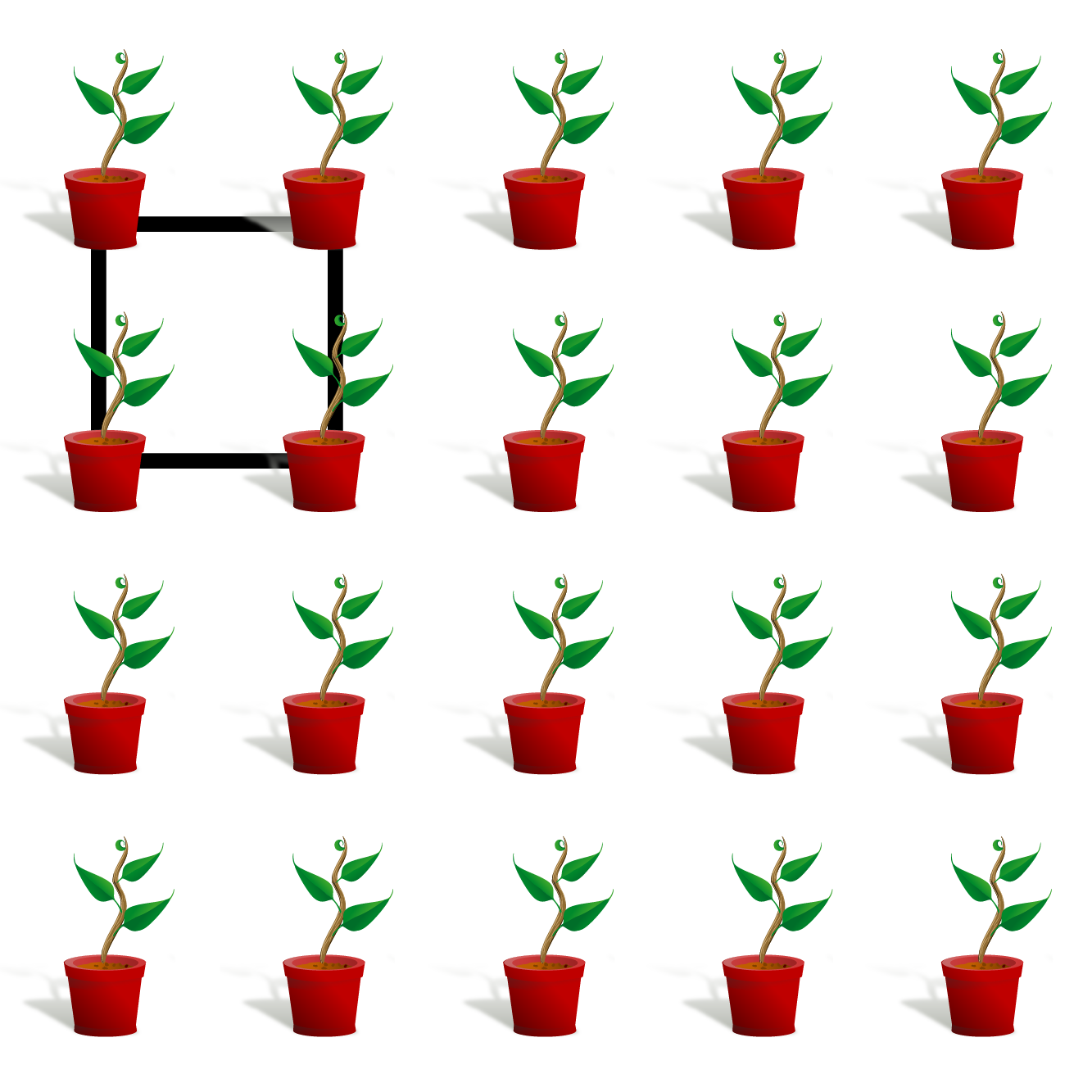
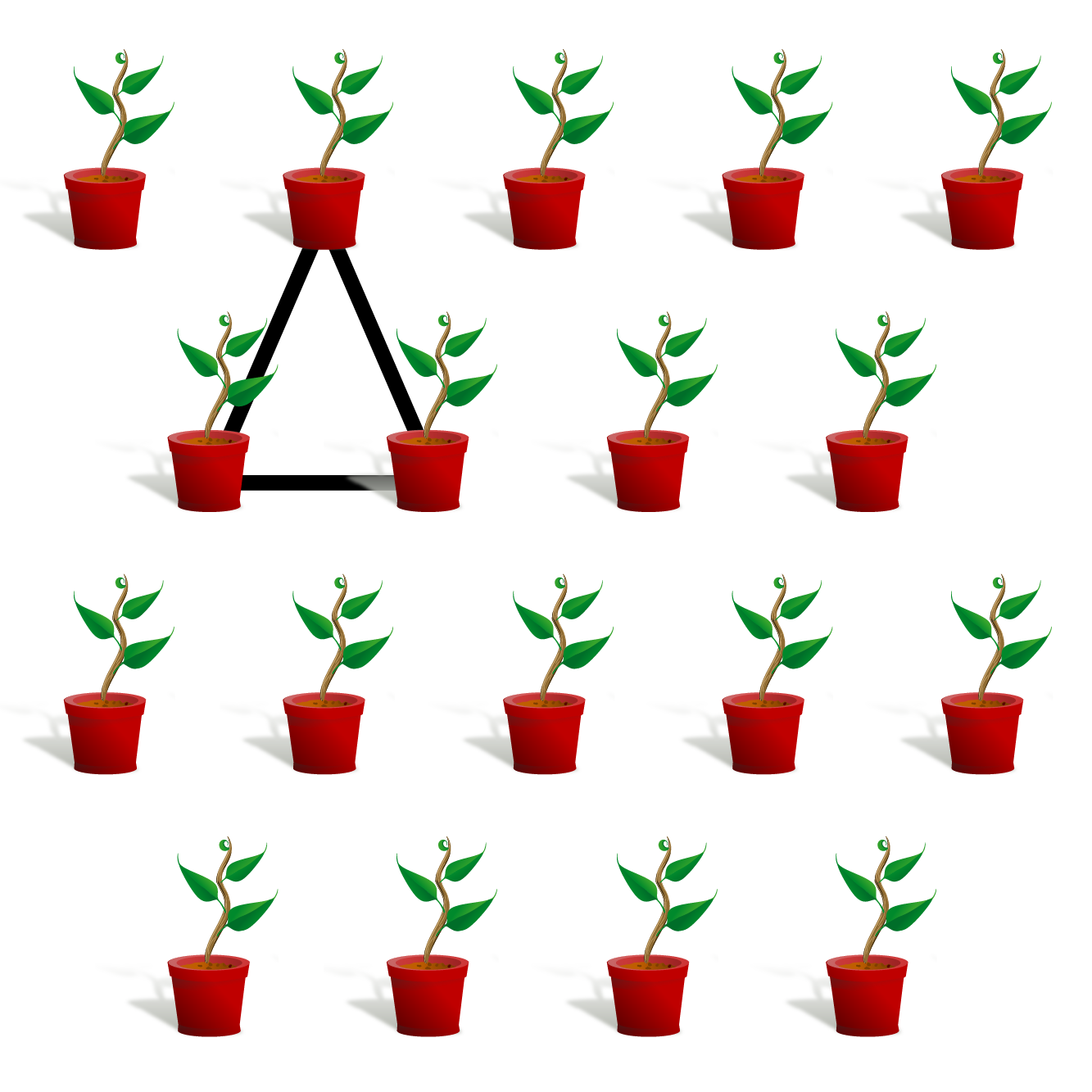
Spacing: Space trees 15–25 ft apart to allow room for mature canopy growth, good airflow, and ease of harvest.
Maintenance: Monitor soil moisture, mulch annually to conserve water and suppress weeds, and manage pests and diseases as needed.
Pollinator Required: Yes, this variety is not self-fertile. For best fruit set, plant with compatible apple varieties such as Gala, Fuji, or Golden Delicious.
Today, Spitzenburg Apple remains prized not only for its historic significance and exceptional flavor but also for its versatility in the kitchen. The fruit is delicious fresh, adds depth and complexity to pies, sauces, and desserts, and is also excellent for cider. This, making it a testament to its enduring legacy as one of the finest dessert apples ever developed. Growing this heirloom variety connects gardeners with centuries of orchard tradition while offering flavorful fruit and ornamental interest throughout the seasons.