

Spicebush
Lindera benzoinSpicebush is a graceful native woodland shrub treasured for its delicate early spring flowers, fragrant foliage, vibrant fall color, and especially for the critical role it plays in supporting wildlife. Native to eastern North America, this deciduous shrub naturally grows along forest edges, stream banks, and moist woodland habitats. In home landscapes, it offers both ornamental beauty and ecological value, making it one of the most beneficial native shrubs gardeners can plant.
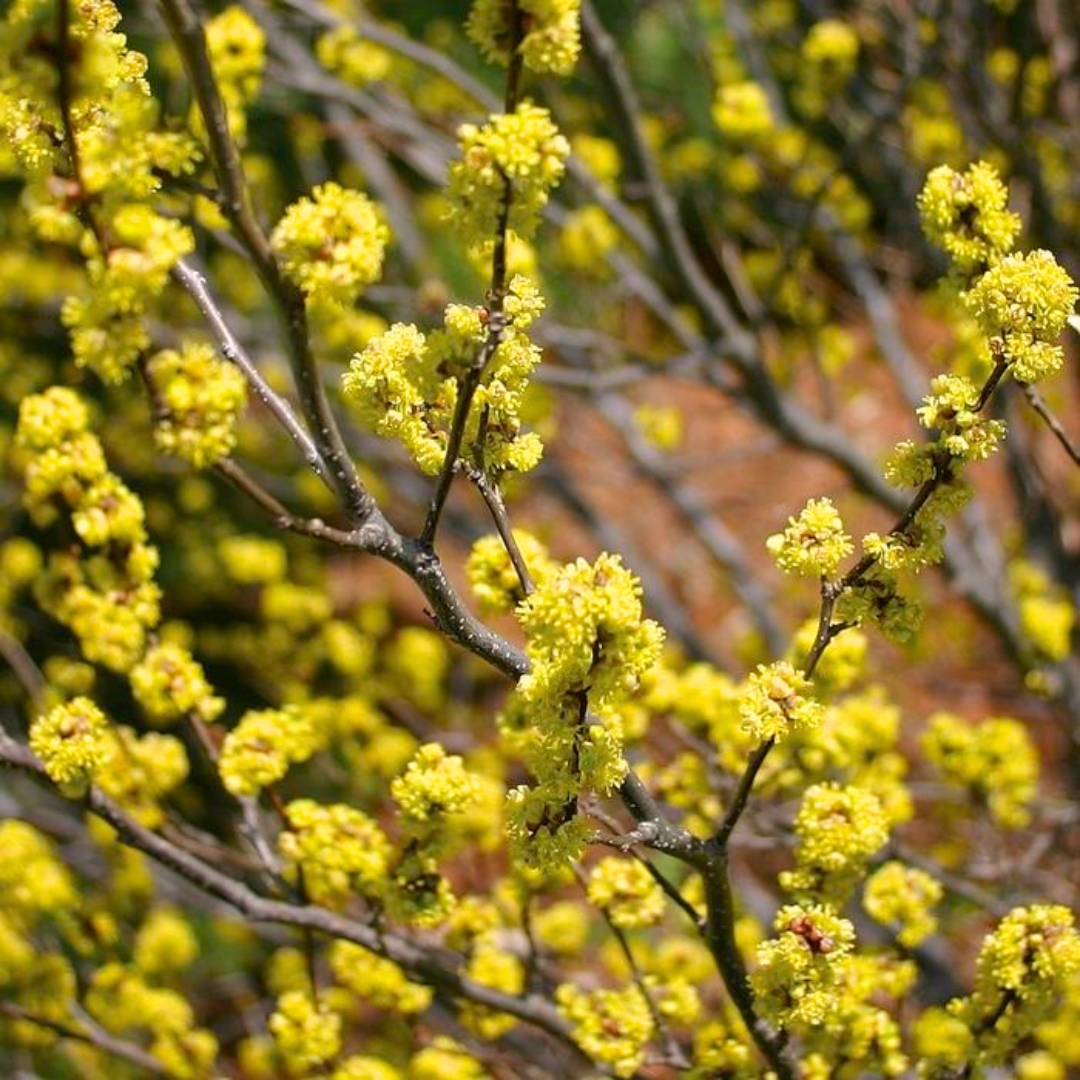
Once early spring arrives, before the leaves emerge, clusters of small golden-yellow flowers appear along the bare branches. Though individually tiny, the blooms are produced in abundance, creating a soft haze of yellow that brightens the garden at the end of winter. These early flowers are an important nectar source for emerging pollinators such as native honey bees and small butterflies when few other plants are blooming.
Perhaps the most remarkable feature of Spicebush is its essential relationship with the Spicebush Swallowtail Butterfly. Lindera benzoin serves as the primary host plant for this striking native butterfly species. Female swallowtails specifically seek out Spicebush plants to lay their eggs, and once the caterpillars hatch they rely on the leaves as their main food source. The distinctive green caterpillars, which resemble tiny caterpillars with large eye spots, feed on the foliage before eventually forming chrysalises and emerging as beautiful black-and-blue butterflies. Without host plants like Spicebush, these butterflies cannot complete their life cycle. Planting Spicebush in the landscape directly supports the survival and reproduction of the Spicebush Swallowtail and helps strengthen local butterfly populations.
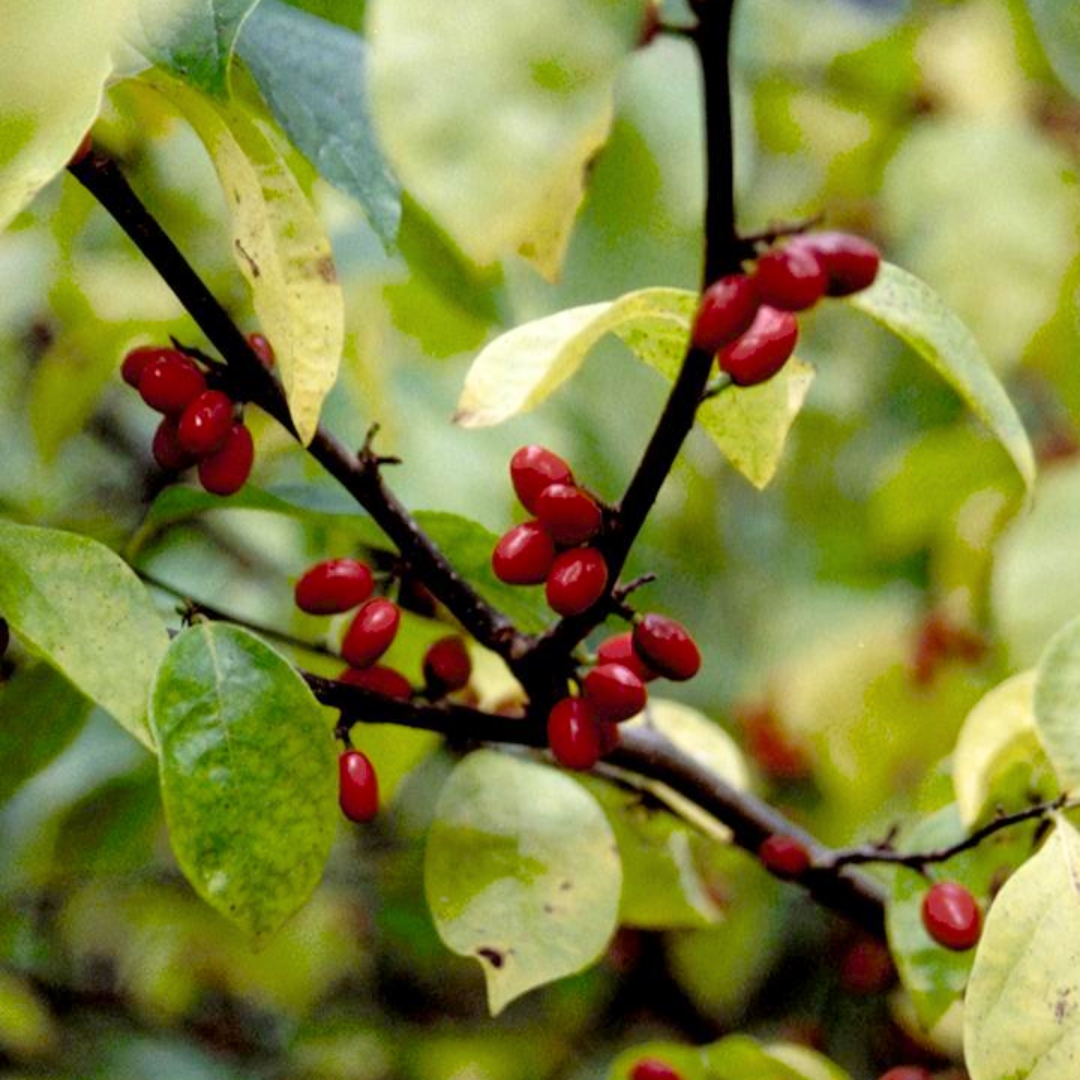
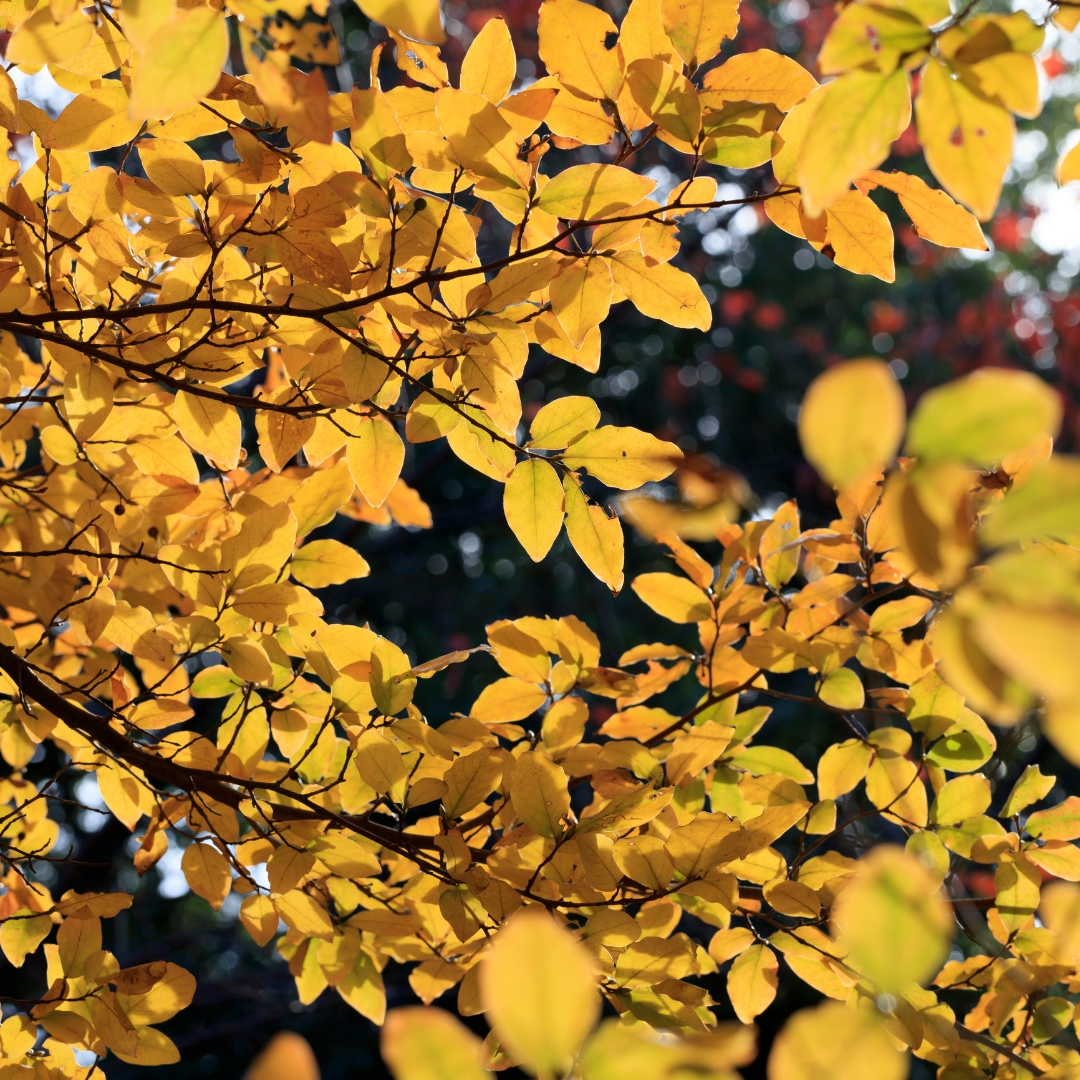
As the season progresses, the shrub develops lush oval green leaves that release a pleasant spicy fragrance when crushed. The aromatic foliage gives the plant its common name and adds another sensory dimension to the garden. In autumn, the foliage transforms into brilliant golden-yellow tones that illuminate woodland plantings. Female plants produce clusters of bright red berries in late summer and fall, which are highly attractive to birds and provide an additional food source for wildlife.
Care Instructions:
Planting: Choose a part sun to part shade location, ideally in woodland-style settings or areas with filtered light.
Soil: Prefers moist, rich, well-drained soil but adapts to a variety of soil conditions.
Watering: Water regularly during establishment and during extended dry periods.
Fertilizing: Fertilizer is generally not required in fertile soils. You can apply a balanced fertilizer in early spring if desired.
Pruning: Minimal pruning needed. Remove damaged or crossing branches after flowering if shaping is required.
Spacing: Space plants 8–12 ft apart to allow for natural growth.
Maintenance: Low once established.
Pollinator: Spicebush plants are dioecious, meaning male and female flowers occur on separate plants. Both are required for fruit production.
Spicebush forms a naturally rounded, multi-stemmed shrub that typically grows 6 to 12 feet tall and wide. It thrives in partial shade and moist, well-drained soils, making it ideal for woodland gardens, native plant landscapes, shaded borders, and naturalized areas. Because of its beauty, adaptability, and tremendous ecological importance, this native shrub is one of the most valuable additions to pollinator and wildlife-friendly gardens.
Note: Male and female Spicebush plants look nearly identical when not in bloom, so, for that reason, we are unable to determine their gender at the time of sale. We cannot guarantee whether the plant you receive will be male or female. Planting multiple Spicebush shrubs increases the likelihood of having both genders present for fruit production.