

Raspberry Shortcake
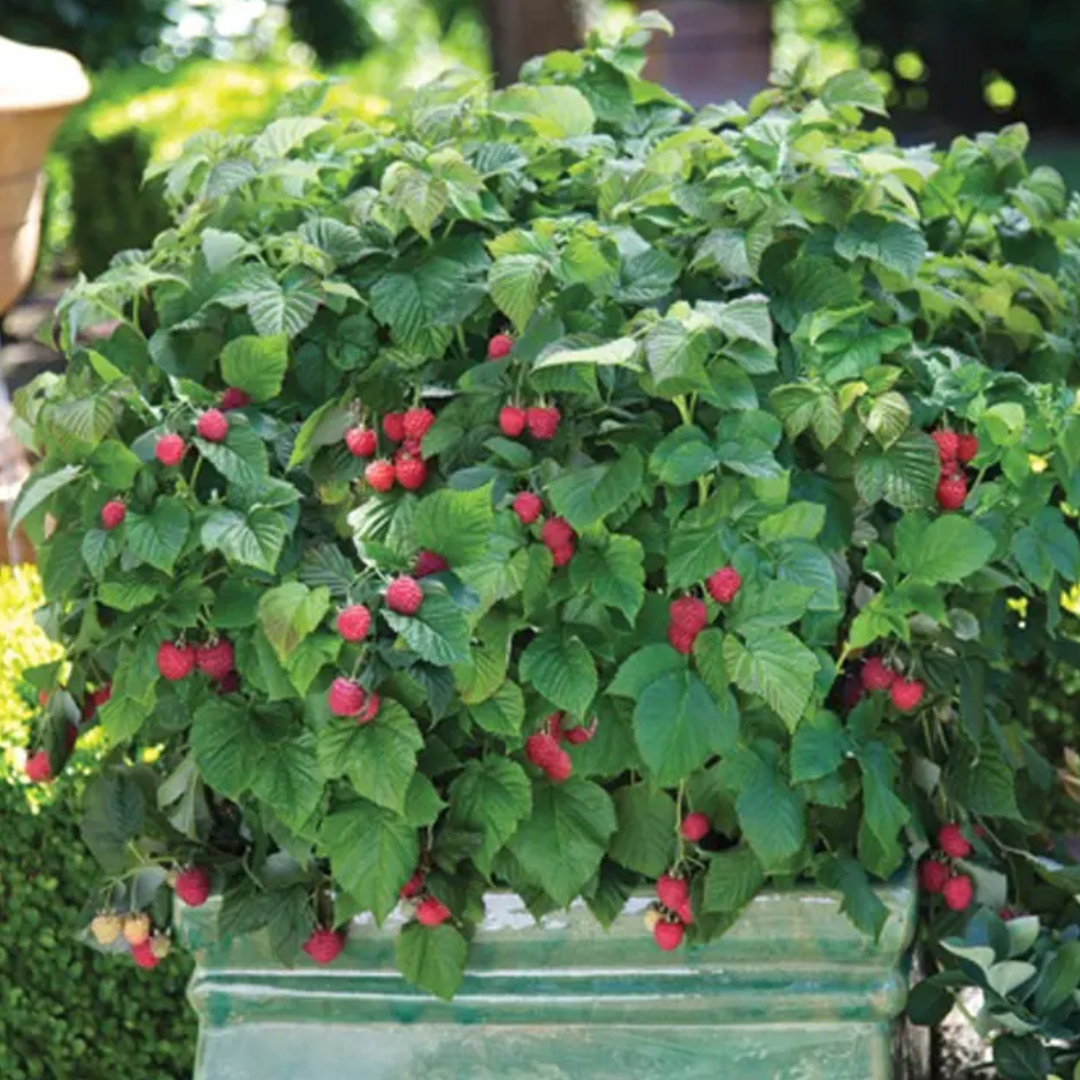
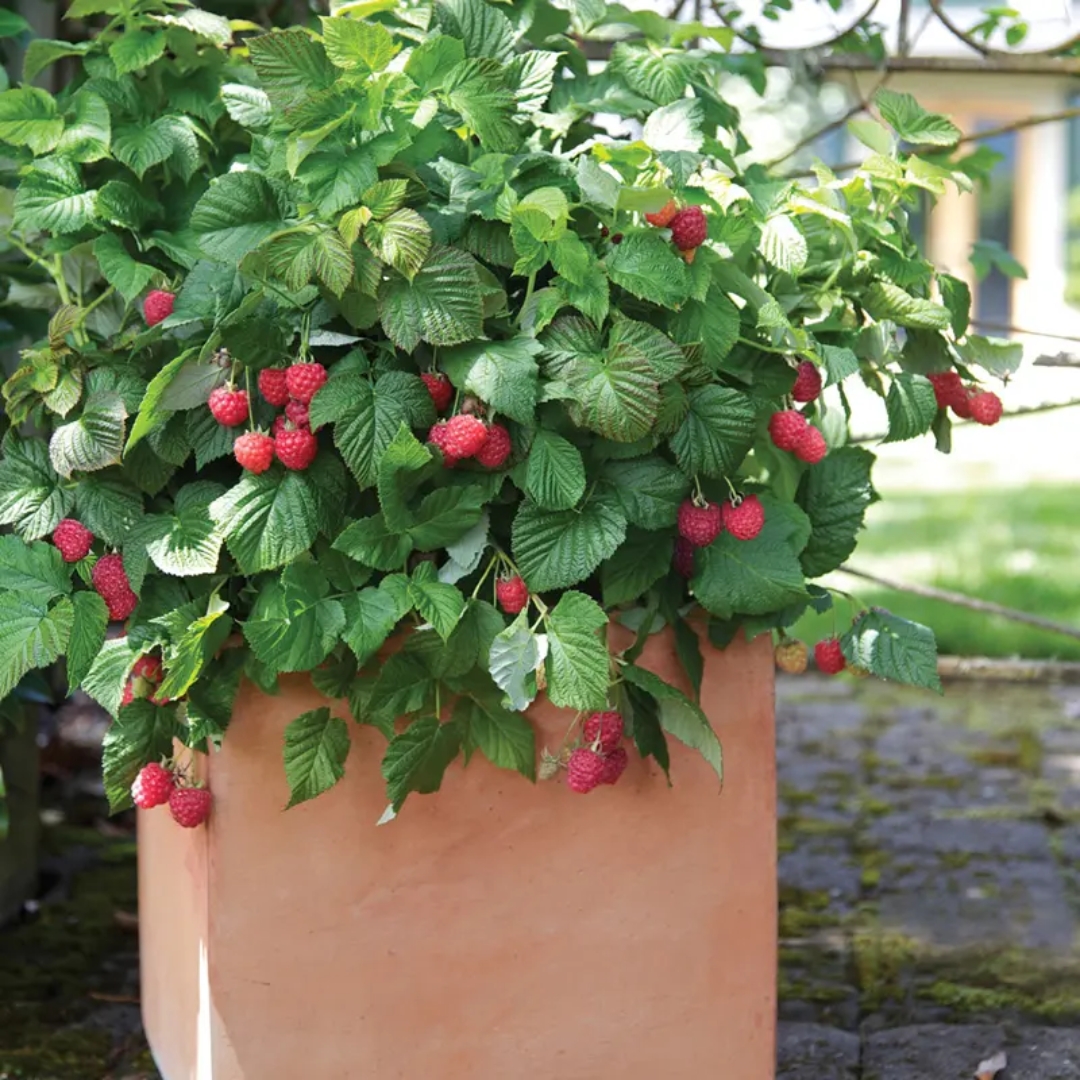
Rubus idaeus hybrid ‘Berryhill’Raspberry Shortcake is a compact, vigorous, and highly productive raspberry shrub that brings abundant fruit and ornamental appeal to edible landscapes, containers, and small gardens. Bred with performance and space-efficiency in mind, Shortcake™ offers gardeners the unique advantage of heavy yields on a tidy, compact plant that measures approximately 2–3 feet tall and 2–3 feet wide, making it ideal for patios, edible borders, raised beds, and even container culture.
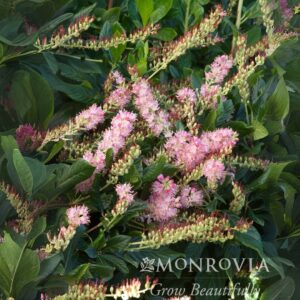
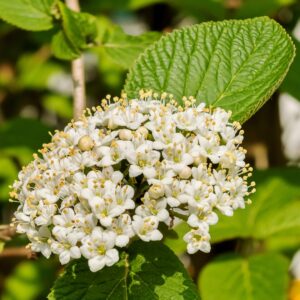
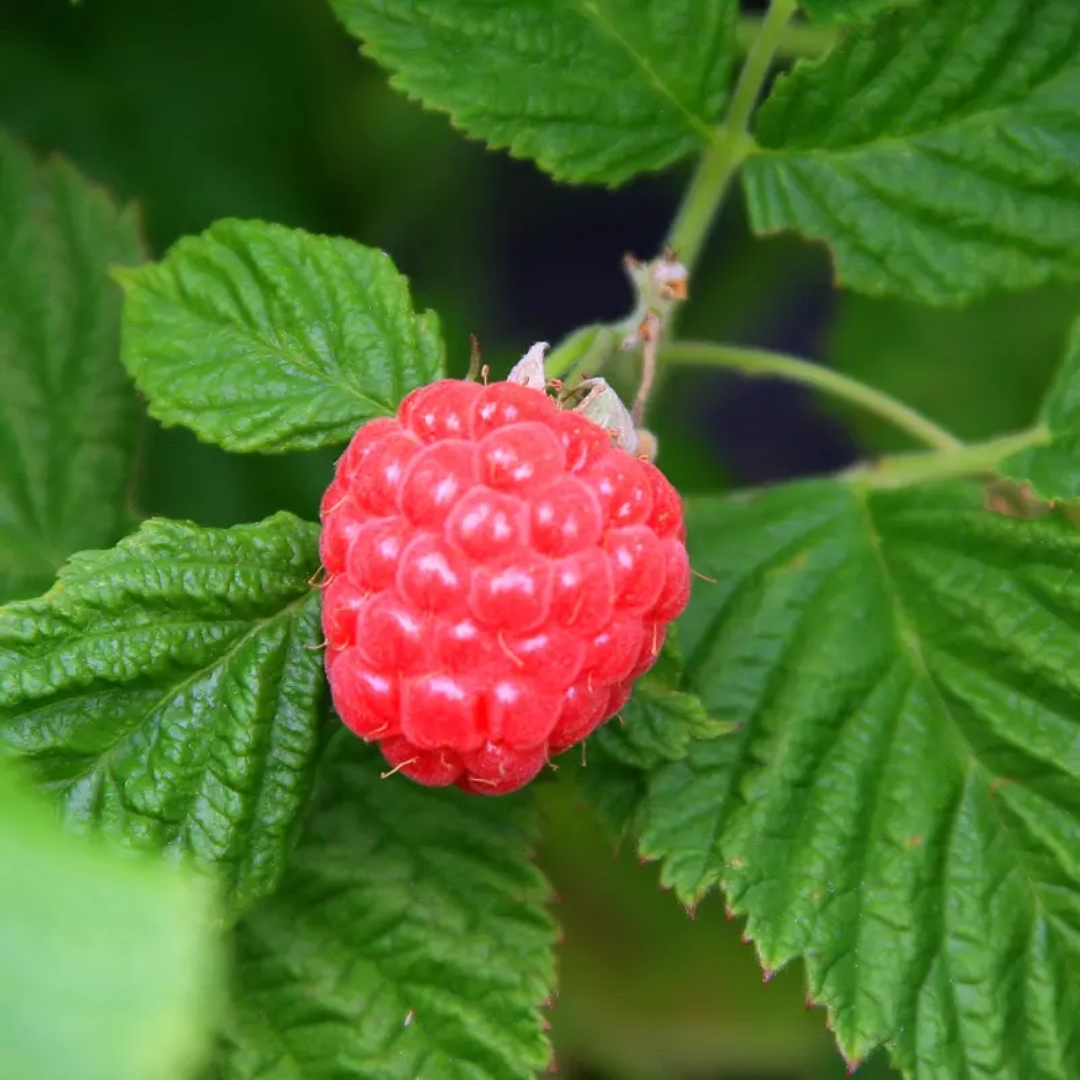
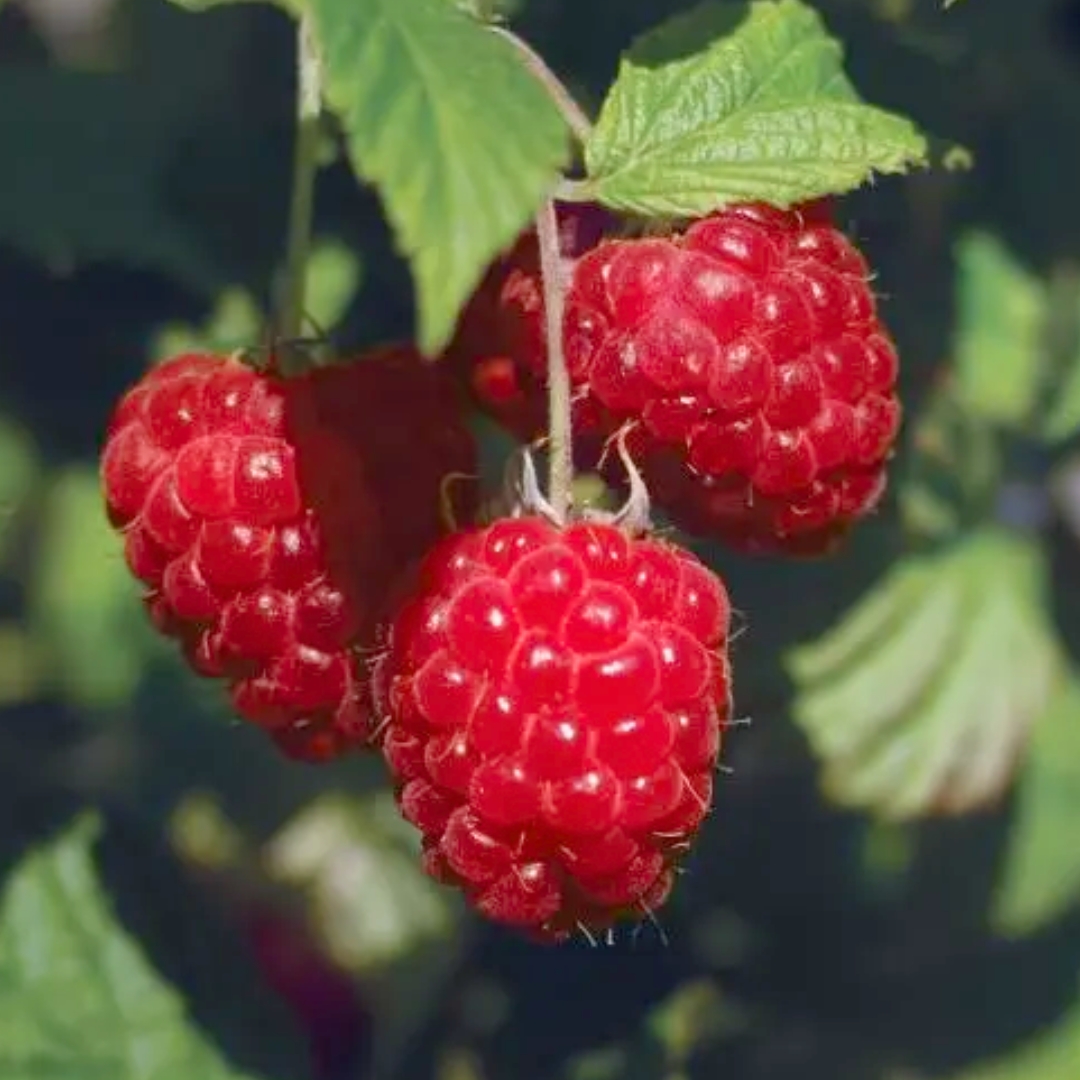
In spring and summer, Shortcake™ produces clusters of white raspberry blossoms that fill the garden with soft seasonal color and attract bees and other beneficial pollinators. These blossoms give way to medium-sized, sweet red raspberries that ripen mid-season and are delicious fresh from the plant or in desserts, salads, smoothies, jams, jellies, and freezing for year-round use. Shortcake™ beans on both primocanes (current year canes) and floricanes (older canes), offering extended fruiting and a longer harvest window compared with some once-bearing varieties.
This raspberry is not only productive but also easy to grow. Its compact form means it generally requires less pruning and maintenance than larger raspberry cultivars, and its manageable size makes harvesting easy, even for gardeners with limited space or those new to berry growing. Its vigorous roots and strong cane structure support reliable fruit production year after year.
Care Instructions:
Planting: Select a site with full sun exposure. At least 6+ hours of direct sunlight daily for best berry production and overall plant vigor.
Soil: Plant in fertile, well-drained soil rich in organic matter. Raspberries prefer slightly acidic to neutral soils and do not tolerate waterlogged conditions.
Watering: Water deeply and regularly during establishment and throughout dry spells. Maintain evenly moist soil, especially during flowering and fruit development.
Fertilizing: Apply a balanced, slow-release fertilizer in early spring before new growth begins. Avoid excess nitrogen late in the season.
Mulching: Spread a 2–3″ layer of organic mulch (straw, pine needles, bark) around the base to retain moisture, regulate soil temperature, and suppress weeds. Keep mulch away from cane crowns.
Pruning: For extended harvest, remove weak canes in late winter. Tip prune primocanes in early summer if desired to encourage branching and fruiting.
Spacing: Space plants 2–3 ft apart to allow airflow, room for mature growth, and easy harvest access.
Maintenance: Mulch and prune annually, monitor soil and water needs, and thin crowded canes as needed for plant health.
Pollinator: Yes. Raspberries benefit from pollinator activity. While Shortcake™ is self-fertile, planting another raspberry variety with similar bloom timing (e.g., Boyne, Killarney, or Nova) can enhance fruit set and yields.
Whether planted as part of a mixed edible garden, in rows with companion fruiting shrubs, or in containers on terraces and patios, Raspberry Shortcake™ delivers exceptional sweet red raspberries and ornamental foliage to elevate both the landscape and your harvest table.