

Kwanzan Flowering Cherry
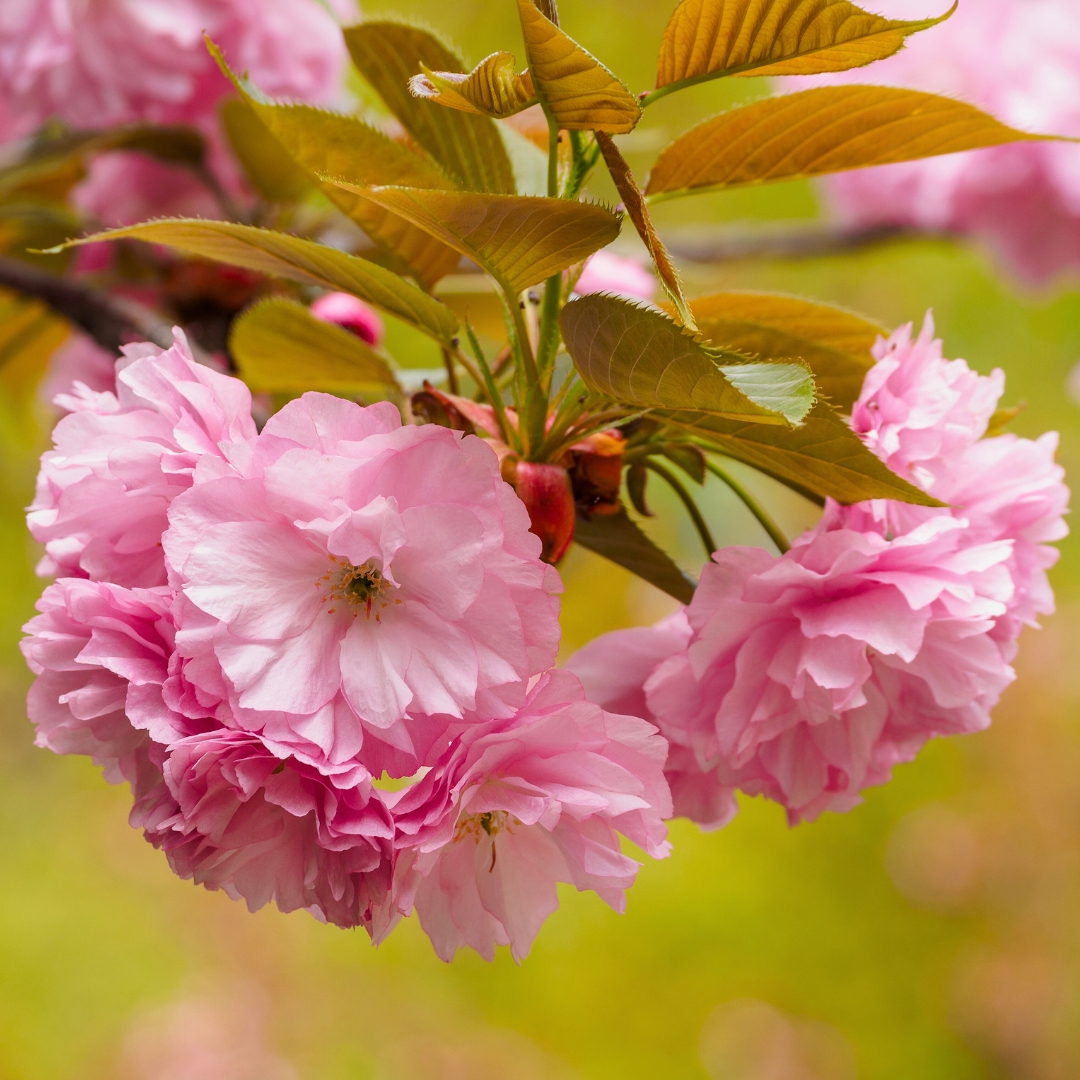
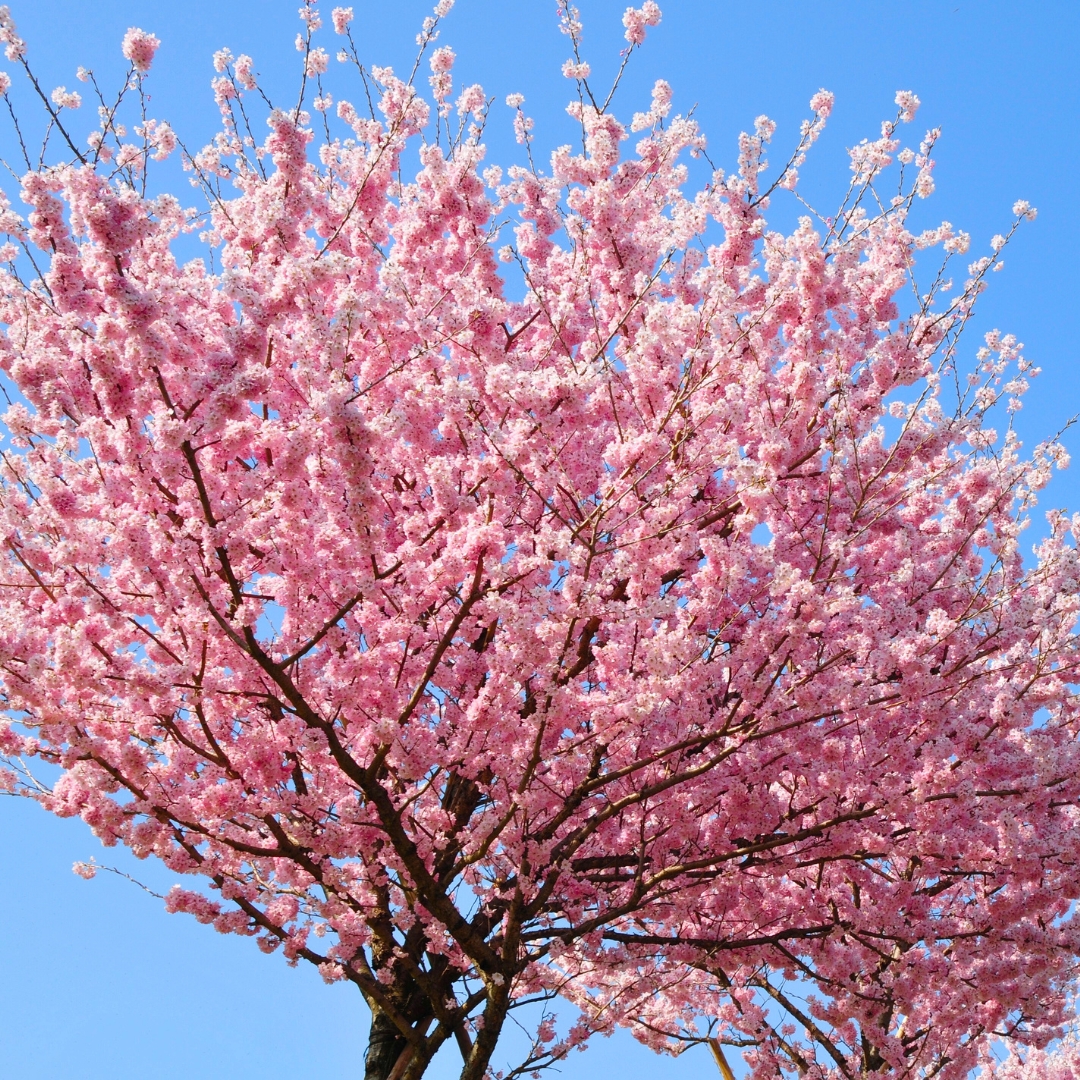
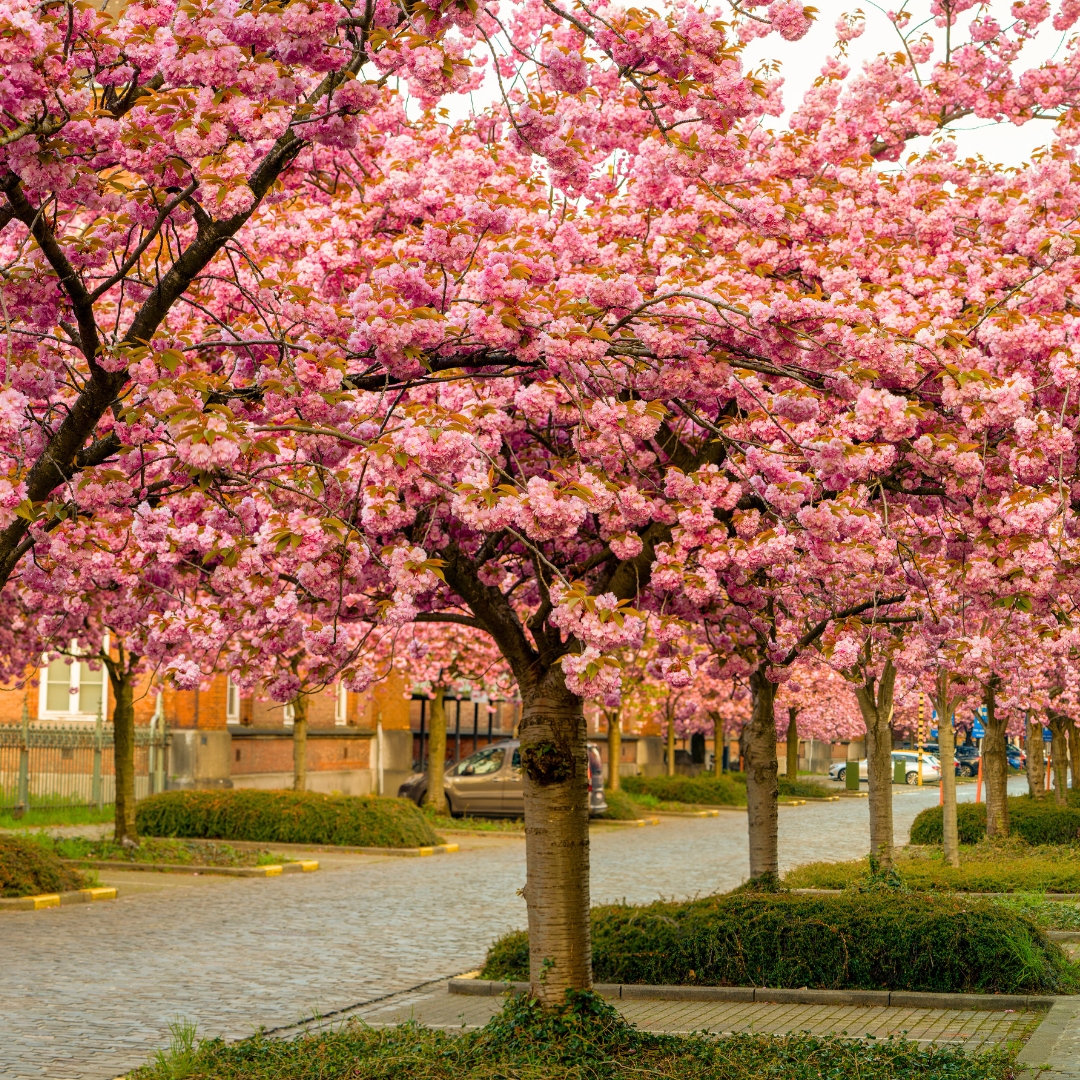
Japanese Flowering Cherry 'Kwanzan', Prunus 'Kwanzan', Prunus 'Sekiyama'Kwanzan Flowering Cherry is one of the most beloved ornamental cherry trees planted in landscapes for its spectacular spring bloom of double, silky pink flowers that transform gardens, patios, and streetscapes with vibrant color before the leaves emerge. A cultivar of Prunus serrulata, also widely known in the trade as Kanzan Cherry, this tree has become a signature spring specimen. It is especially appreciated in traditional Japanese gardens, cottage-style landscapes, and as a centerpiece specimen where seasonal floral impact is prized.
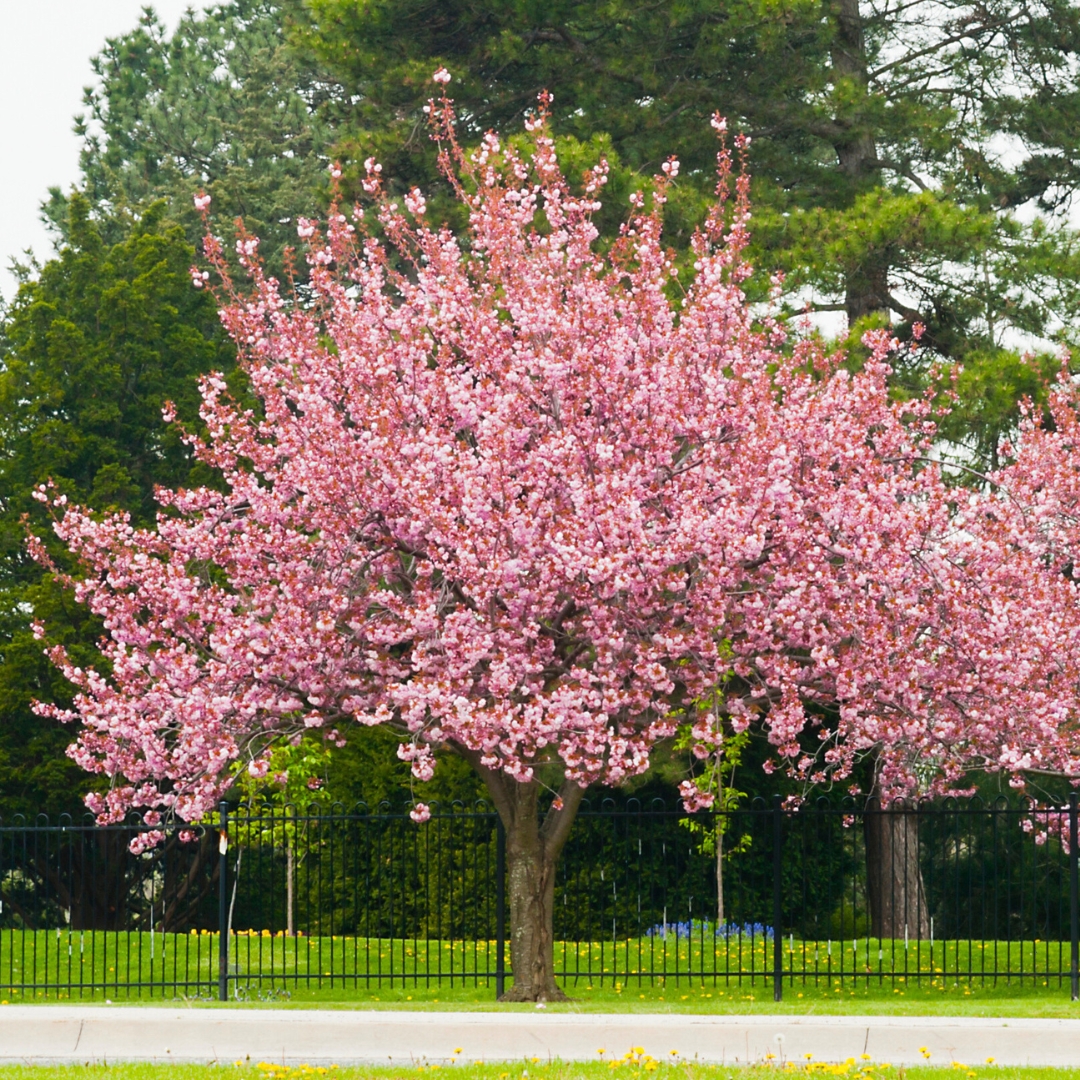
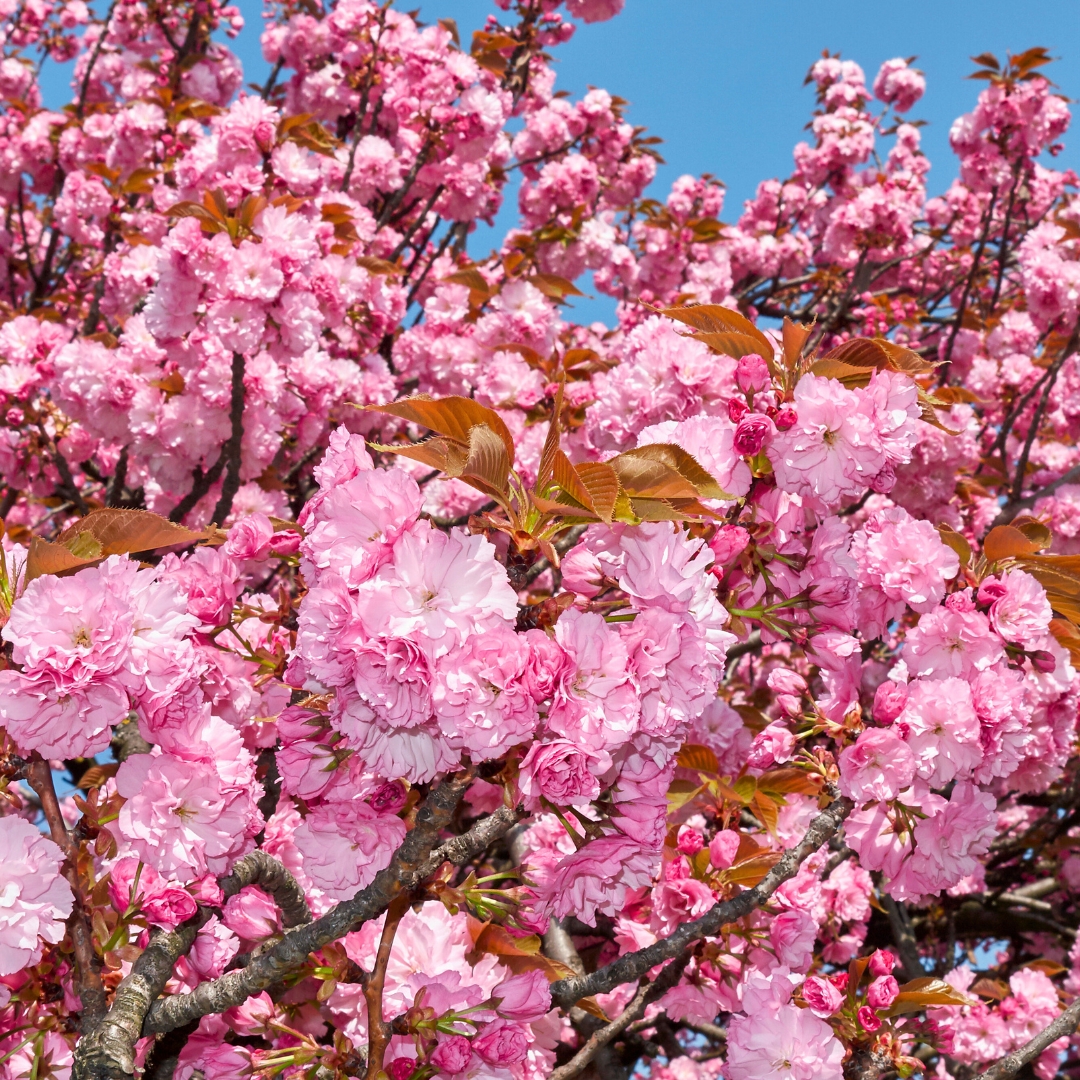
In early to mid-spring, Kwanzan produces an abundance of showy, ruffled, deep pink blossoms along its branches, often creating dense clouds of color that last for several weeks. Though the flowers are not fragrant, their sheer volume and vibrant hue offer an unforgettable seasonal spectacle and excellent garden interest. Following bloom, the tree develops bright green foliage that often has a bronze or coppery tinge as it emerges, turning rich green in summer, and then showcasing attractive fall color ranging from yellow to orange and copper tones, extending its ornamental appeal beyond the flowering season.
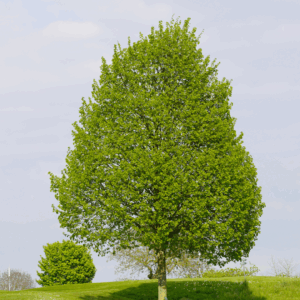
Kwanzan has a spreading canopy with a graceful growth habit that becomes more rounded as the tree matures. It typically reaches about 30–40 feet tall and 30–40 feet wide at maturity, offering substantial shade, structure, and visual impact in larger garden beds, parks, or as a shade tree. The smooth, reddish-brown bark and elegant branching add winter interest even when the tree is dormant. Although it produces small, inedible fruit or none at all, its primary value is ornamental rather than edible.
Care Instructions for Prunus ‘Kwanzan’
- Light Requirements: Plant in full sun for the best flower production and growth. At least 6 hours of direct sunlight daily is recommended.
- Soil Needs: Prefers well-draining, fertile soil with a slightly acidic to neutral pH. Amend heavy clay soils with organic matter to improve drainage.
- Watering: Water deeply and regularly during the first growing season to establish roots. Once established, it tolerates occasional dry periods but benefits from supplemental watering during prolonged droughts.
- Pruning: Perform pruning in late winter or early spring to remove dead, diseased, or crossing branches. Avoid heavy pruning as this may affect blooming.
- Fertilization: Apply a slow-release, balanced fertilizer in early spring to support flowering and foliage health. Avoid over-fertilization, which can lead to excessive foliage growth at the expense of blooms.
- Winter Care: Mulch around the base to insulate roots during winter and protect against temperature fluctuations.
- Disease and Pest Management: Monitor for pests such as aphids or issues like canker or leaf spot. Ensure proper air circulation and sanitation to minimize risks.
Adapted to USDA Hardiness Zones 5–9, Kwanzan prefers full sun exposure and well-drained soil. It is fairly tolerant of a range of soil types, including loam, sandy, or slightly acidic environments, but does not tolerate prolonged waterlogging. While generally low-maintenance, occasional structural pruning and attention to airflow can help minimize common ornamental tree pests and diseases, keeping the tree healthy and blooming reliably each spring.
Size: Unless the product is labeled “B&B,” it comes in a container rather than ball-and-burlap. Sizes listed with ‘Cal.’ indicate the caliper of the trunk.