

Pound Sweet Apple
Malus domestica ‘Pound Sweet’Pound Sweet Apple is a historic heirloom apple cultivar cherished for its large, sweet fruit and rich culinary heritage. Originating in Connecticut in the early 19th century, this old‑fashioned apple has been passed down through generations of orchardists and apple enthusiasts for its buttery sweetness, generous size, and unique flavor profile. Sometimes also referred to as Pumpkin Sweet due to its rounded shape and mellow taste, Pound Sweet apples were traditionally valued not only for fresh use but also for baking, stewing with spices, making apple butter, and other classic autumn and winter kitchen projects.
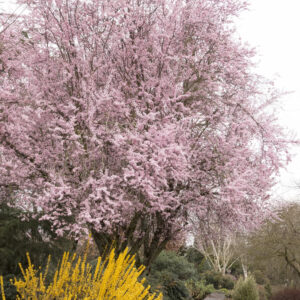
In spring, Pound Sweet Apple trees produce a lovely display of white blossoms that attract bees and beneficial pollinators, contributing both beauty to the landscape and vital pollination activity that supports fruit set. As the season progresses toward summer, lush green foliage develops, forming a sturdy canopy that nurtures the growing fruit. This foliage may shift to warm golden or russet tones in the fall, adding additional seasonal interest beyond its impressive fruit production.
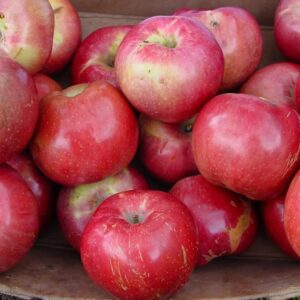
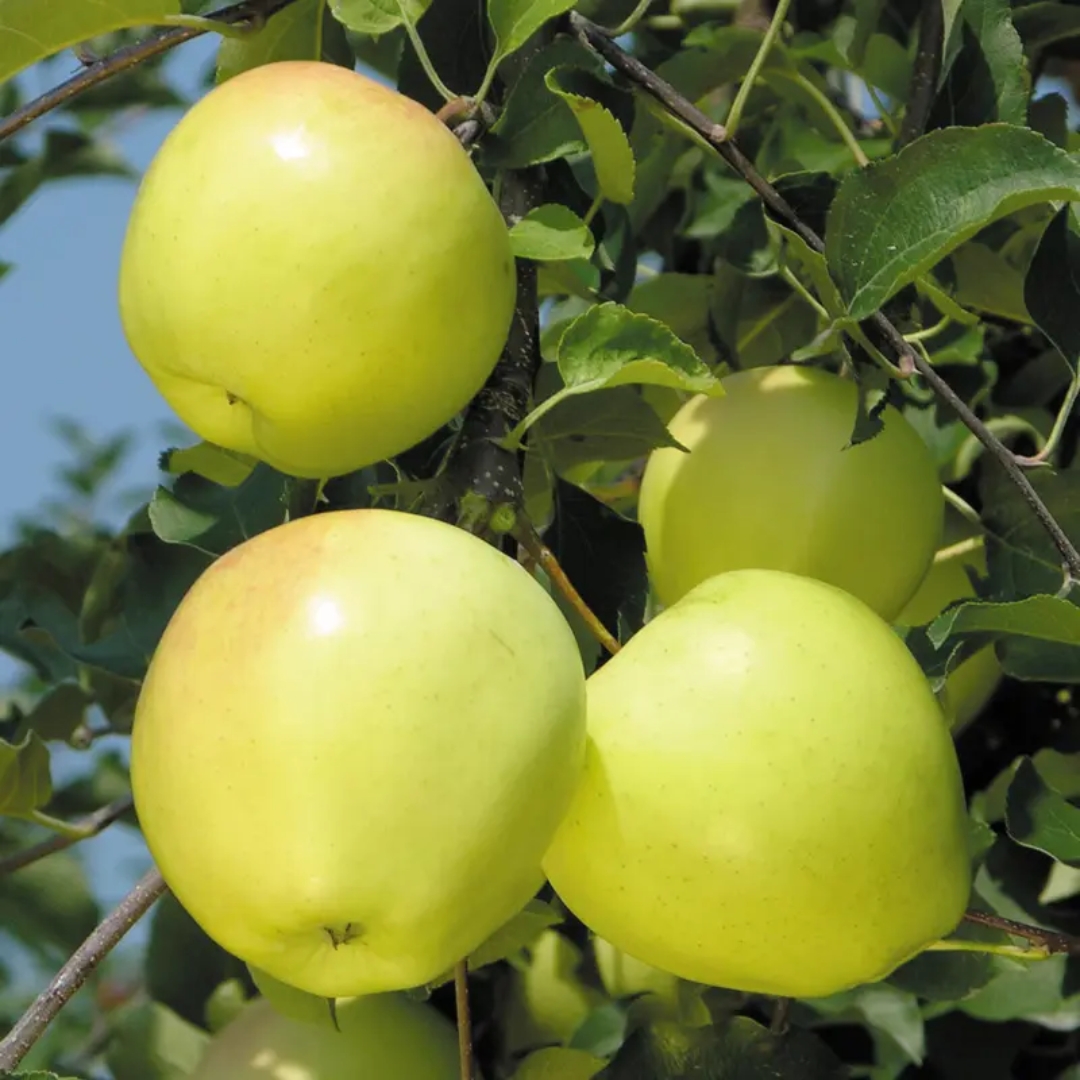
By early to mid‑fall, Pound Sweet Apple yields large fruit that can approach a pound in weight, with skin tones that range from greenish‑yellow to golden with occasional bronzed blush where exposed to sunlight. The flesh is tender yet firm, moderately crisp, and richly flavored with low acidity and a pronounced sweetness. While some growers consider it best suited for baking, applesauce, or apple butter thanks to its softening texture when cooked, many also enjoy it fresh for its mellow, honeyed flavor that needs little to no added sugar.
Care Instructions:
Planting: Choose a location with full sun, at least 6–8 hours of direct sunlight daily to support flowering, fruit development, and tree vigor.
Soil: Plant in well‑drained, fertile soil. Amend heavy or compacted soils with organic matter to improve structure and root penetration.
Watering: Water deeply and regularly during establishment and during dry spells while avoiding waterlogging.
Fertilizing: Apply a balanced fertilizer in early spring before new growth begins. Adjust feeding in subsequent seasons based on tree vigor and soil condition.
Pruning: Prune in late winter or early spring while dormant to remove dead or crowded wood, maintain appropriate tree shape, and improve light penetration and airflow.
Thinning: Thin fruit in late spring after set to reduce overcrowding and encourage larger, higher‑quality apples.
Spacing: Space trees 15–25 ft apart to allow ample room for mature canopy growth, airflow, and harvest access.
Maintenance: Apply mulch annually to conserve moisture, suppress weeds, and moderate soil temperature, and monitor for common apple pests and diseases.
Pollinator Required: No, this variety is partially self‑fertile, but for the best fruit set, plant near other mid‑season apples such as Gala, Fuji, or Honeycrisp.
Beyond its value in the kitchen, Pound Sweet Apple is appreciated as a landscape tree with a moderate, spreading growth habit that can reach medium to large size at maturity. The tree thrives in full sun and well‑drained soils, where it responds well to consistent moisture and good air circulation. Like most apple cultivars, Pound Sweet benefits from annual pruning to maintain shape, encourage healthy structure, and promote fruiting wood. This heirloom variety is partially self‑fertile, but planting it with other mid‑season bloom apple varieties enhances cross‑pollination and typically results in heavier, more consistent fruiting.